
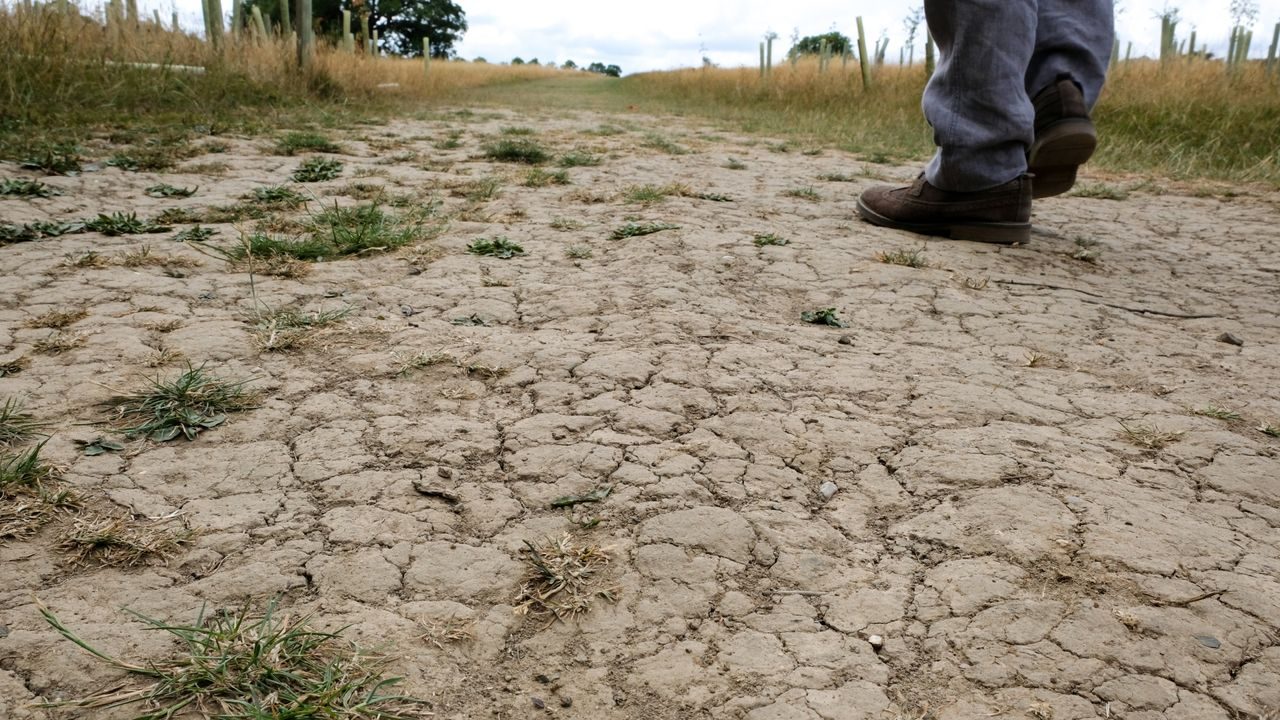
What if the droughts scorching farmlands and emptying reservoirs were also quietly breeding a new generation of bacteria that our antibiotics can no longer stop? That is exactly what new research is beginning to suggest — and the implications stretch far beyond agriculture.
A study examining soil microbes has found a troubling connection between drought conditions and the rise of antibiotic-resistant bacteria. As climate change drives more frequent and severe droughts across the globe, scientists are warning that the problem of antibiotic resistance — already one of the most pressing public health crises of our time — could get significantly worse.
The research adds a dimension to the climate conversation that rarely gets discussed: the ground beneath our feet may be a silent incubator for some of medicine’s most dangerous enemies.
What the Research Actually Found
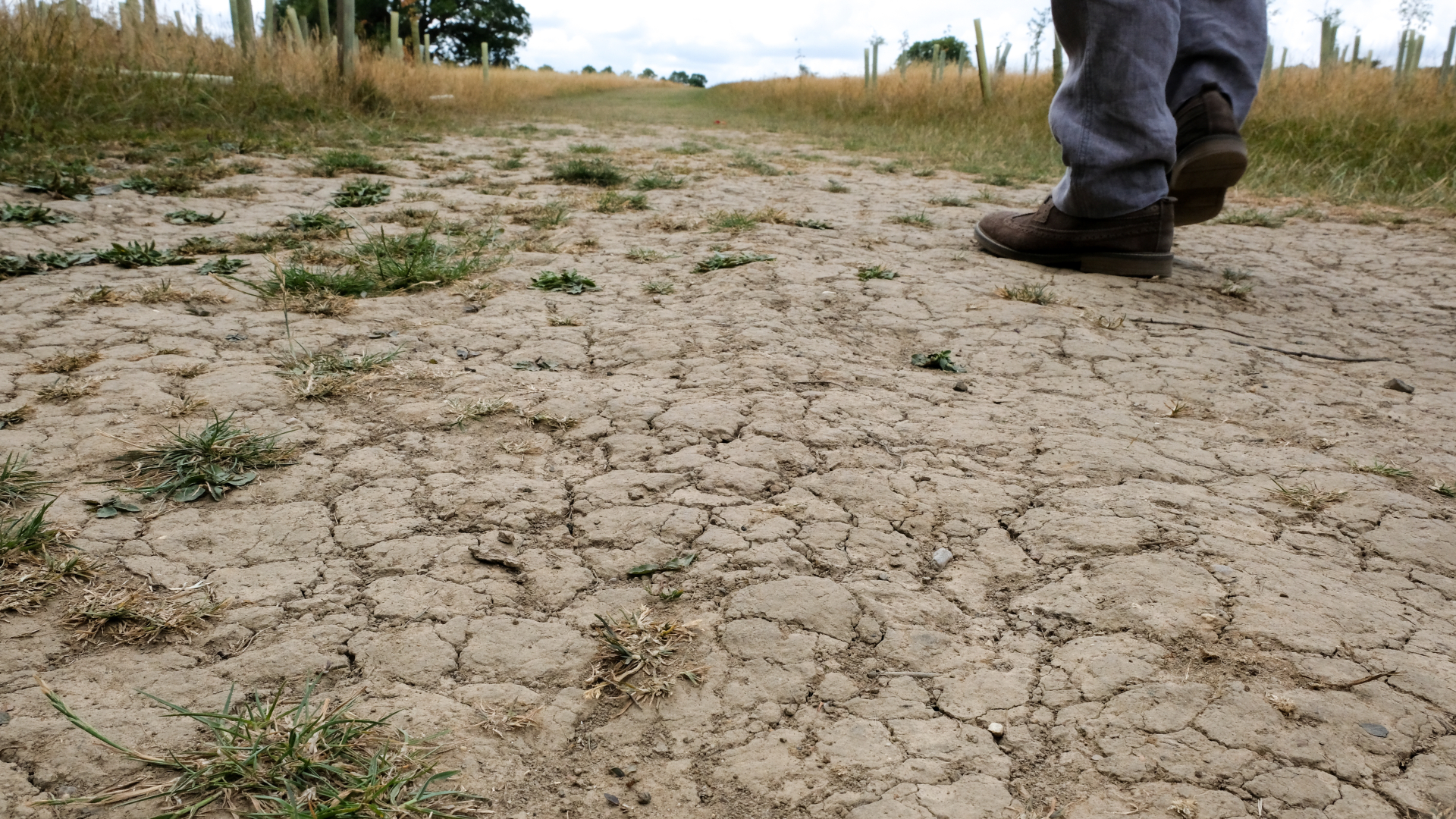
The study focused on soil microbes — the vast, largely invisible communities of bacteria living in the earth. Researchers found that drought conditions tend to favor the microorganisms that are capable of surviving antibiotic exposure. In other words, when soil dries out, the bacteria that thrive are disproportionately the ones that have already developed resistance.
That finding alone is concerning. But the study went further.
Researchers also discovered that some of the specific genes responsible for antibiotic resistance in soil-dwelling bacteria have turned up in antibiotic-resistant pathogen samples collected from hospital patients. This is not a coincidence — it is a sign that resistance traits are traveling from the soil environment into clinical settings where they can cause serious harm to human health.
The mechanism behind this transfer is a biological process called horizontal gene transfer. Unlike the vertical transmission of genetic material from parent to offspring, horizontal gene transfer allows bacteria to swap large chunks of genetic information directly with one another — across species, across environments, and across the boundaries that scientists once hoped would contain resistance traits. Bacteria are remarkably good at this kind of sharing, which is part of what makes antibiotic resistance so difficult to control.
Why Drought Makes Antibiotic Resistance Worse
Under normal conditions, soil hosts an enormous diversity of microbial life. Many of those microbes are sensitive to antibiotics and keep resistant strains in check simply by competing for resources. Drought disrupts that balance.
When soil moisture drops, the competitive landscape shifts. Microorganisms that carry resistance genes may have survival advantages in stressed environments, meaning drought conditions can effectively select for resistant strains while suppressing their more vulnerable competitors. Over time, this changes the composition of the microbial community in the soil — and not in a direction that benefits human health.
The concern is that as climate change makes droughts more common and more intense in many parts of the world, this selective pressure on soil bacteria will intensify alongside it. More drought could mean more resistance building up in the soil — and more opportunities for those resistance genes to find their way into pathogens that infect people.
The Connection Between Soil and the Hospital Ward
The leap from soil bacteria to hospital patients might seem like a large one, but the research suggests the pathway is more direct than most people would assume.
Resistance genes do not stay neatly confined to one environment. They move — through water runoff, through agricultural practices, through animals that come into contact with soil, and through the food chain. Once resistance genes enter human-associated bacteria, they can spread between patients in healthcare settings, making infections harder to treat and in some cases impossible to manage with currently available antibiotics.
The fact that specific resistance genes identified in soil bacteria have already been found in hospital pathogen samples suggests this transfer is not theoretical. It is already happening.
| Key Concept | What It Means | Why It Matters |
|---|---|---|
| Drought and soil microbes | Dry conditions favor antibiotic-resistant bacteria in soil | Climate change could accelerate resistance in the environment |
| Horizontal gene transfer | Bacteria can swap genetic material directly with other bacteria | Resistance traits can spread rapidly across species and environments |
| Soil-to-hospital link | Resistance genes found in soil bacteria also appear in hospital pathogens | Environmental resistance is already influencing clinical infections |
| Climate change connection | More frequent droughts are projected as global temperatures rise | The problem is likely to grow worse without intervention |
Who Is Most at Risk — and Why Everyone Should Pay Attention
Antibiotic-resistant infections already kill hundreds of thousands of people every year worldwide. The concern raised by this research is that a key driver of resistance may be embedded in environmental changes that are accelerating beyond our control.
Farmers, agricultural workers, and communities in drought-prone regions may face the most direct exposure to resistant soil bacteria. But because resistance genes move through multiple pathways — water systems, food supply chains, healthcare networks — the consequences are not limited to any single population or geography.
For the average person, the practical worry is straightforward: if antibiotic resistance continues to grow, infections that are currently treatable become dangerous again. Routine surgeries, cancer treatments, and care for premature infants all depend on antibiotics working reliably. A world with fewer effective antibiotics is a world where medicine is fundamentally less safe.
Researchers and public health advocates have long argued that antibiotic resistance must be treated as a global emergency. This study adds a new layer of urgency by linking it directly to the climate crisis — two of the defining challenges of this century, now shown to be feeding each other.
What Needs to Happen Next
The research highlights the need for broader environmental surveillance of antibiotic resistance — not just monitoring resistance in hospitals and clinical settings, but actively tracking what is happening in soil, water, and agricultural environments, particularly in regions experiencing increasing drought stress.
Scientists argue that understanding how climate conditions shape microbial resistance in the environment is essential to getting ahead of the problem. That means more investment in environmental microbiology research, better data-sharing between agricultural scientists and public health officials, and policy frameworks that treat antibiotic resistance as an environmental issue as much as a medical one.
The study does not offer easy solutions, but it does sharpen the picture of what is at stake. As droughts grow longer and more severe in a warming world, the soil itself may be working against the antibiotics humanity depends on.
Frequently Asked Questions
What did the new study find about drought and antibiotic resistance?
The study found that drought conditions in soil favor microorganisms that can survive antibiotic exposure, effectively selecting for resistant bacterial strains over time.
How do resistance genes move from soil bacteria to human pathogens?
Through a process called horizontal gene transfer, bacteria can directly swap large amounts of genetic material with each other, allowing resistance genes to spread across species and environments — including from soil into bacteria that infect humans.
Has this transfer from soil to hospital patients actually been observed?
Yes. The research found that some antibiotic resistance genes identified in soil-dwelling bacteria also appeared in resistant pathogen samples collected from hospital patients.
Why does drought specifically increase antibiotic resistance in soil?
Drought conditions appear to shift the competitive balance among soil microbes, favoring bacteria with resistance traits while suppressing more vulnerable species — effectively amplifying resistance across the microbial community.
Is this problem expected to get worse with climate change?
Researchers suggest it is, since climate change is projected to increase the frequency and severity of droughts, which would intensify the environmental conditions that favor antibiotic-resistant bacteria in soil.
What can be done to address this?
The research points to the need for broader environmental surveillance of resistance genes and stronger coordination between agricultural, environmental, and public health science — though specific policy responses have not yet been confirmed.



Leave a Reply