
Around 65,000 years ago, something catastrophic swept through Europe — and nearly every Neanderthal on the continent vanished. Not from an asteroid, not from a single volcanic eruption, but from a population collapse so severe that only one genetic lineage survived to carry the species forward.
That’s the striking conclusion of a new study published on March 23 in the journal PNAS, which used ancient DNA analysis to reveal a dramatic and previously unknown chapter in Neanderthal history. The findings don’t just reshape what we know about these ancient humans — they may also offer fresh clues about why Neanderthals ultimately disappeared from Earth entirely.
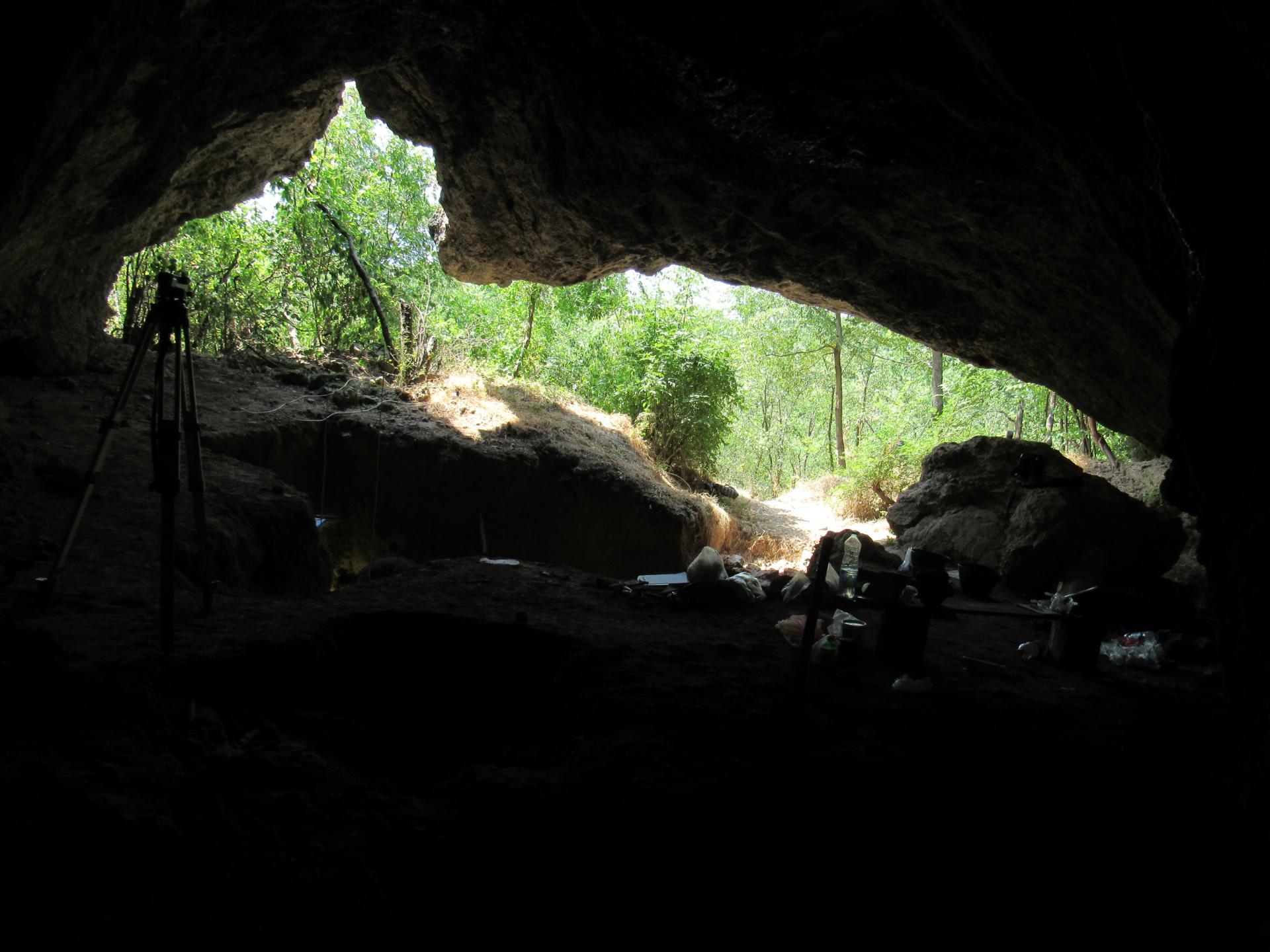
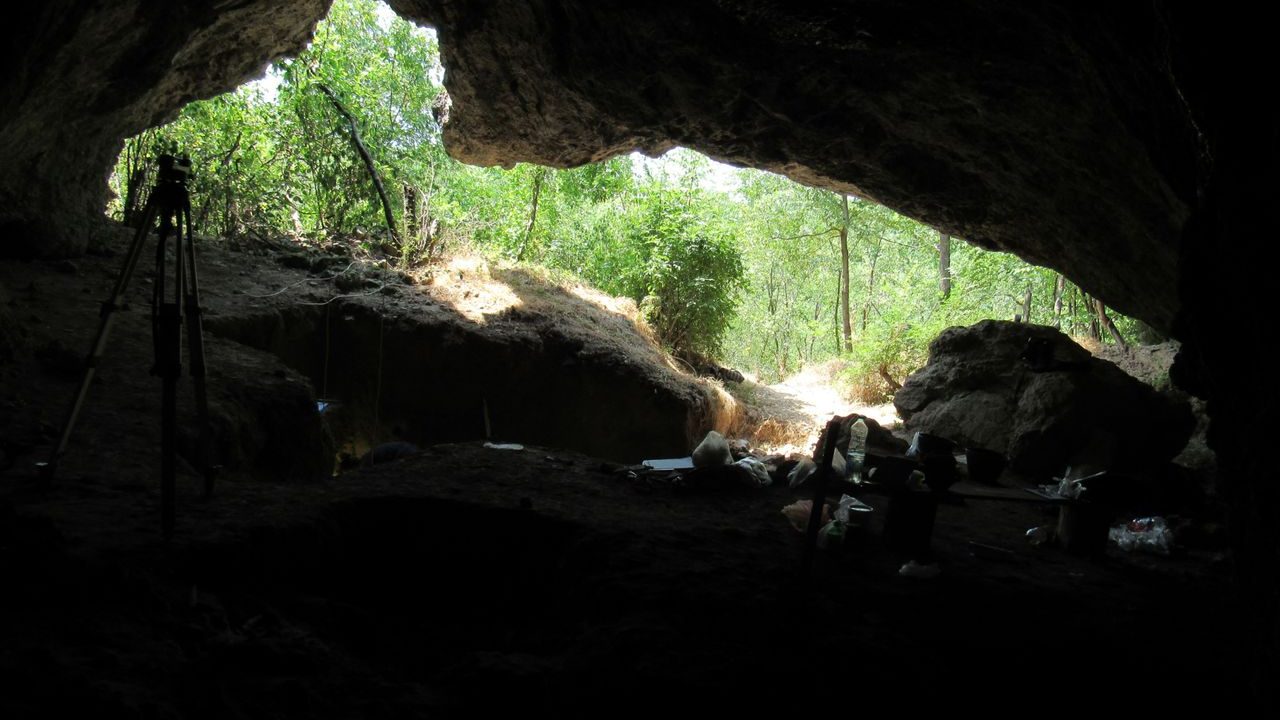
The research draws on genetic material recovered from Neanderthal fossils, including a tooth discovered at Pešturina Cave in Serbia, to piece together a story of near-extinction, survival, and expansion that played out tens of thousands of years before modern humans ever set foot in Europe in significant numbers.
What Happened to the Neanderthals 65,000 Years Ago
Neanderthals were among the closest relatives of modern humans (Homo sapiens), sharing a common ancestor and, as later genetic research confirmed, occasionally interbreeding with our own species. For hundreds of thousands of years, they lived across Europe and parts of Asia, adapting to ice ages, hunting large prey, and developing their own cultural traditions.
But roughly 65,000 years ago, the genetic record suggests something went deeply wrong. According to the new study, all of the Neanderthal lineages that had previously existed across Europe were effectively wiped out — except for one. That single surviving lineage then expanded across the continent, repopulating the territory where so many of its relatives had perished.
Researchers describe this event as a “major disruption in Neanderthal history.” What caused it remains an open question, but the implications are significant. This near-extinction event predates the arrival of modern humans in large numbers in Europe, which means Homo sapiens cannot be blamed as the sole or primary driver of this particular collapse.
Climate shifts, disease, resource scarcity, or competition between Neanderthal groups themselves are among the possible explanations scientists are now weighing more seriously.
The Genetic Evidence — and Why the Serbian Cave Matters
The study’s findings rest on the analysis of ancient DNA recovered from Neanderthal remains, including a tooth found at Pešturina Cave in Serbia. That single fossil, excavated from a site that has yielded important archaeological material, contributed genetic data that helped researchers trace the lineage of late European Neanderthals.
By comparing genetic sequences from multiple Neanderthal specimens across different time periods and locations, the research team was able to identify the sharp genetic bottleneck — a dramatic reduction in population diversity — that occurred around 65,000 years ago.
| Key Finding | Detail |
|---|---|
| Event timing | Approximately 65,000 years ago |
| What occurred | All Neanderthal lineages in Europe died out except one |
| What followed | The surviving lineage expanded across Europe |
| Study published | March 23, in the journal PNAS |
| Key fossil site | Pešturina Cave, Serbia |
| Species relationship | Neanderthals were among the closest relatives of modern humans |
A genetic bottleneck of this scale is rare and significant. It means the Neanderthals who lived in Europe after 65,000 years ago were all descended from a very small founding population — possibly a single regional group that somehow survived whatever killed off the others.
Why This Changes the Story of Neanderthal Extinction
For decades, the dominant narrative around Neanderthal extinction has focused on the period between roughly 40,000 and 30,000 years ago, when modern humans were spreading rapidly across Europe. Competition for resources, interbreeding, and the cognitive or technological advantages of Homo sapiens have all been cited as factors in the Neanderthals’ final decline.
But this new research reveals that Neanderthals were already deeply vulnerable long before that final chapter. The population collapse at 65,000 years ago left the species with dramatically reduced genetic diversity — and a species with less genetic diversity is less resilient. It has fewer biological tools to adapt to new diseases, environmental changes, or competing pressures.
In other words, the Neanderthals who eventually encountered modern humans in large numbers may have already been a weakened, genetically bottlenecked population — not the robust, continent-spanning species they once were. The encounter with Homo sapiens may have been the final blow to a group that had already survived one near-extinction event.
The study’s findings add meaningful weight to theories suggesting that Neanderthal extinction was a long, complex process shaped by multiple compounding factors — not a single dramatic confrontation with modern humans.
What This Means for Our Understanding of Human Prehistory
Neanderthals are not simply a footnote in human evolution. They interbred with modern humans, and most people of non-African ancestry today carry roughly 1 to 4 percent Neanderthal DNA as a direct result. Understanding what happened to Neanderthals — how they lived, how they suffered, and how they ultimately disappeared — is part of understanding ourselves.
This study adds a critical new data point: that the Neanderthals of the last 65,000 years before their extinction were all part of a single surviving lineage, shaped by a catastrophe we are only now beginning to understand. It raises urgent new questions about what that catastrophe was, how quickly it unfolded, and whether the Neanderthals who repopulated Europe afterward carried the biological scars of their near-disappearance.
Future research, particularly additional ancient DNA analysis from Neanderthal sites across Europe and Asia, will likely be needed to fill in the gaps. The field of ancient genomics has advanced rapidly, and each new fossil sample has the potential to rewrite another piece of the puzzle.
Frequently Asked Questions
When did the major Neanderthal population collapse occur?
The study indicates the collapse happened approximately 65,000 years ago, when all Neanderthal lineages in Europe died out except for one.
Where was the key fossil used in this study found?
One of the Neanderthal specimens genetically analyzed in the study — a tooth — was discovered at Pešturina Cave in Serbia.
Where was the research published?
The findings were published on March 23 in the journal PNAS.
Does this mean modern humans caused the 65,000-year-ago collapse?
The collapse predates the major arrival of modern humans in Europe, suggesting other factors were involved.
What happened after the collapse?
According to the study, the single surviving Neanderthal lineage then expanded across Europe, repopulating the continent after the other lineages had disappeared.
How are Neanderthals related to modern humans?
Neanderthals were among the closest relatives of modern humans (Homo sapiens), and the two species are known to have interbred based on genetic evidence.




Leave a Reply