
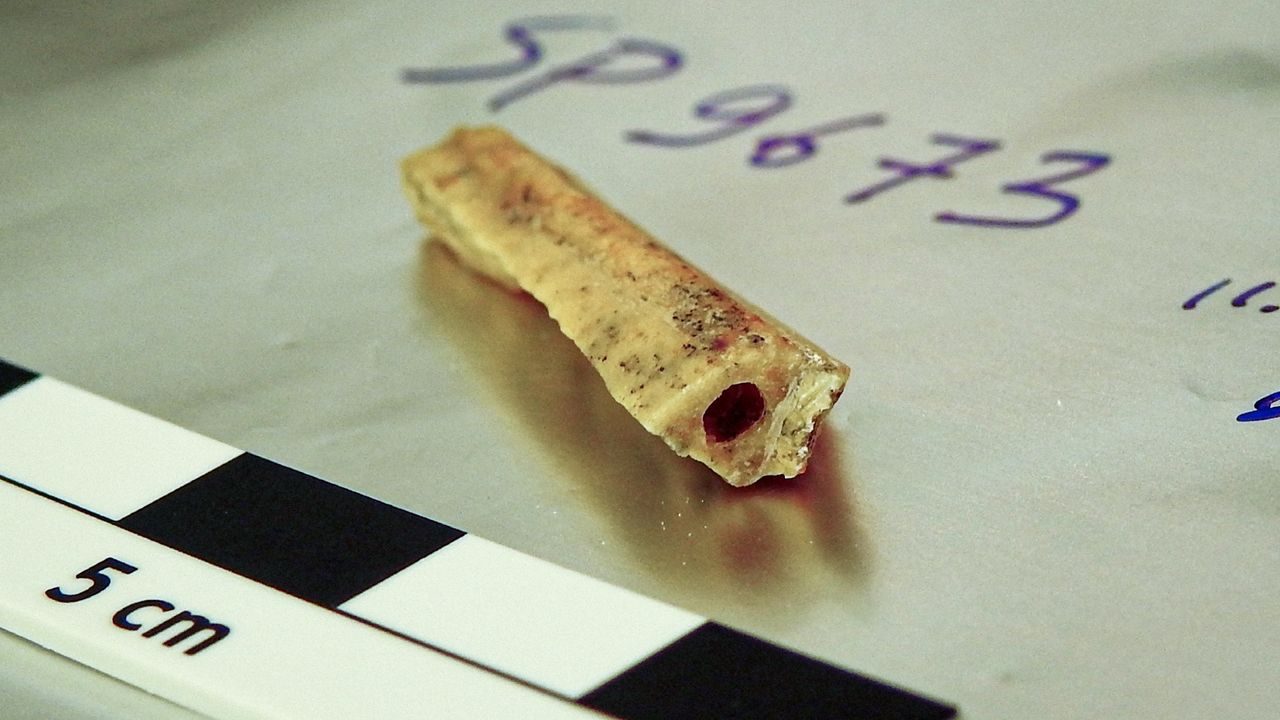
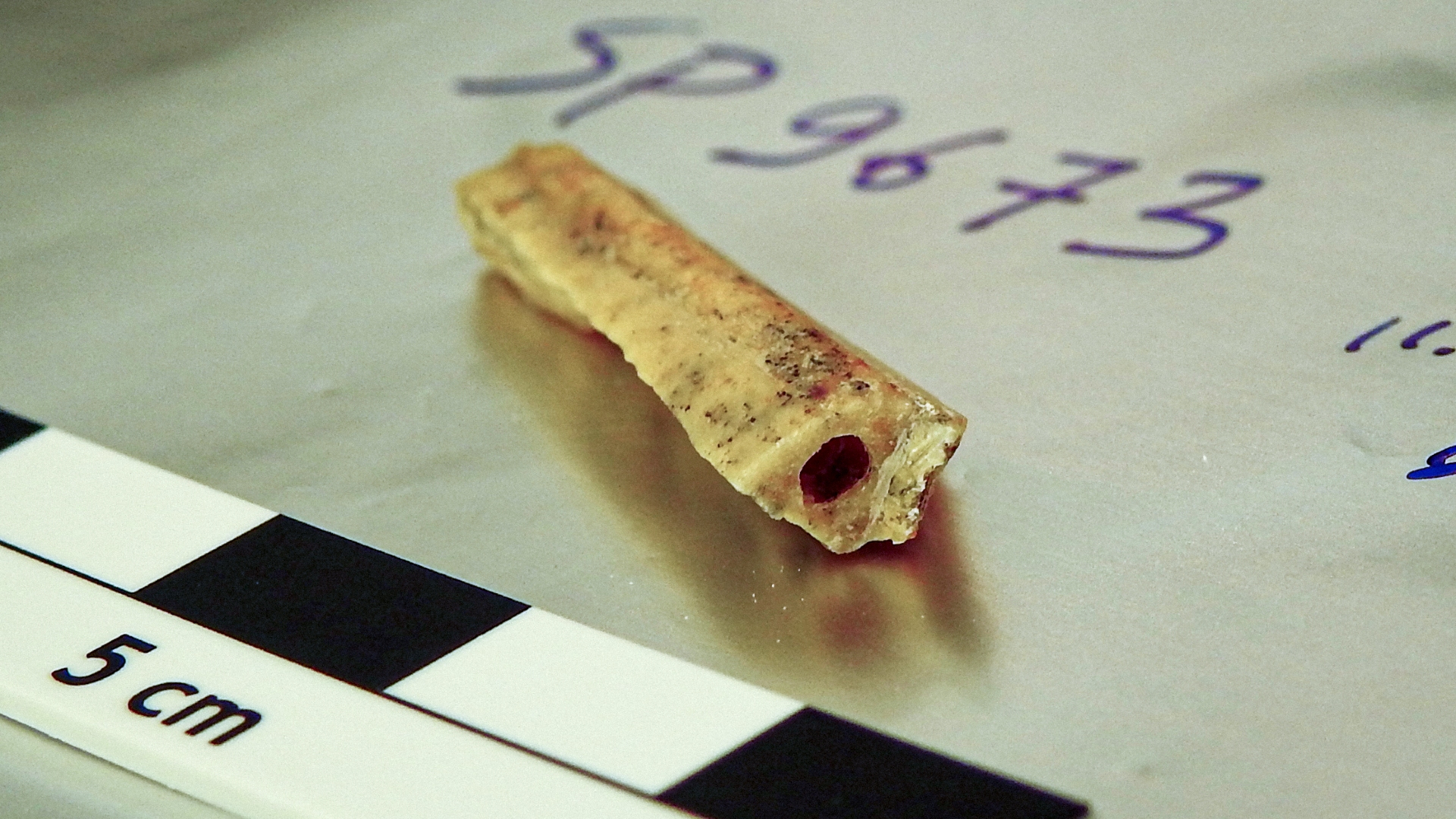
A tiny bone fragment — small enough to fit in the palm of your hand — has just rewritten part of what we know about Neanderthals. Recovered from Denisova Cave in the Altai Mountains of Siberia, Russia, the 110,000-year-old fragment has yielded something remarkable: the fourth complete Neanderthal genome ever sequenced. And what it reveals about the lives these ancient humans led is both fascinating and a little haunting.
The discovery shows that two separate Neanderthals who occupied the same cave were distant relatives — despite living there roughly 10,000 years apart. That kind of generational connection across such a vast stretch of time tells researchers something profound about how Neanderthal communities were structured, and just how small and isolated their populations really were.
For anyone curious about where we came from, this is the kind of find that changes the conversation.
What Was Found Inside Denisova Cave
Denisova Cave is already one of the most scientifically significant sites on Earth. It’s the location where the Denisovan hominin — a separate ancient human relative — was first identified. But Neanderthals also passed through this cave, and researchers have been piecing together their story fragment by fragment, quite literally.
The newly analyzed bone fragment dates to approximately 110,000 years ago, making it among the oldest Neanderthal remains from which ancient DNA has ever been successfully extracted. The cold, stable conditions inside the Siberian cave helped preserve genetic material that would otherwise have degraded beyond use long ago.
What made this particular fragment so valuable wasn’t just its age — it was the quality and completeness of the DNA recovered from it. Researchers were able to construct a full Neanderthal genome, only the fourth time that has ever been achieved in the history of paleoanthropology.
The Distant Relatives Separated by 10,000 Years
Here’s where the story gets genuinely surprising. When scientists compared the genome from this 110,000-year-old individual with genetic data from another Neanderthal previously identified at the same Denisova Cave site, they found a familial connection — despite the two individuals being separated by approximately 10 millennia.
They were distant relatives. Not parent and child, not even close cousins in any conventional sense, but relatives nonetheless — connected through a lineage that persisted across an almost incomprehensible span of time at the same geographic location.
This suggests that Neanderthal groups in this region were not just passing through. The same family lines appear to have returned to, or remained tied to, specific locations across thousands of generations. It points toward small, insular communities with limited movement and very little mixing with outside populations.
The finding reinforces a picture that researchers have been building for years: that Neanderthal populations, particularly in regions like Siberia, were extraordinarily small and isolated long before they disappeared from the fossil record around 34,000 years ago.
Why the Fourth Full Neanderthal Genome Matters So Much
To appreciate why this discovery is significant, it helps to understand just how rare complete Neanderthal genomes are. Despite decades of excavation at sites across Europe and Asia, scientists have managed to sequence only a handful of full Neanderthal genomes. Each new one adds a data point that helps fill in the genetic map of an entire species.
| Detail | Information |
|---|---|
| Age of bone fragment | Approximately 110,000 years old |
| Location of discovery | Denisova Cave, Altai Mountains, Siberia, Russia |
| Genome significance | Fourth full Neanderthal genome ever sequenced |
| Relationship finding | Distant relatives with another Neanderthal at same site |
| Time gap between relatives | Approximately 10,000 years |
| Neanderthal extinction | Around 34,000 years ago |
Each genome helps scientists understand population size, movement patterns, interbreeding, and the genetic bottlenecks that may have contributed to Neanderthal extinction. The more complete genomes available for comparison, the clearer the picture becomes.
What This Tells Us About Neanderthal Society
The image of Neanderthals that emerges from this research is one of tightly knit, geographically rooted groups — communities that were likely small enough that everyone knew everyone, and where outsiders rarely arrived.
The fact that two individuals from the same cave, separated by 10,000 years, share detectable family ties suggests that gene flow between distant Neanderthal populations was limited. These weren’t nomadic wanderers constantly mixing with new groups. They appear to have been relatively stationary, returning generation after generation to familiar landscapes.
That kind of isolation has consequences. Small, genetically similar populations are more vulnerable to disease, environmental change, and random demographic collapse. Researchers have long suspected that Neanderthal populations were under significant genetic stress well before modern humans arrived in their territories — and findings like this one support that view.
It also raises a quietly affecting question: what was life actually like for these individuals? Living in small, isolated bands, returning to the same caves their distant ancestors had used thousands of years before, with little contact with the wider world. The cave itself becomes something more than a shelter — it starts to look like a home, in the deepest sense of the word.
What Researchers Will Be Looking For Next
The sequencing of this fourth complete Neanderthal genome opens new lines of inquiry that researchers will likely pursue in the years ahead. Comparing all four full genomes against each other — and against the partial genomes recovered from other sites — could sharpen understanding of how Neanderthal populations were distributed across Eurasia and how much genetic diversity existed between geographically separated groups.
Denisova Cave remains an active site, and further excavations may produce additional bone fragments with recoverable DNA. Given the cave’s extraordinary preservation conditions and its layered record of multiple hominin species, scientists consider it one of the best places on Earth to look for new ancient genetic material.
The broader goal is to understand not just who Neanderthals were, but why they’re gone — and what that might tell us about the fragility of our own species’ story.
Frequently Asked Questions
Where was the 110,000-year-old Neanderthal bone fragment found?
The bone fragment was found in Denisova Cave, located in the Altai Mountains of Siberia, Russia.
How significant is this Neanderthal genome discovery?
The genome sequenced from this fragment is only the fourth complete Neanderthal genome ever produced, making it exceptionally rare and scientifically valuable.
How were the two Neanderthals at Denisova Cave related?
Genetic analysis showed they were distant relatives, despite living at the same cave site approximately 10,000 years apart.
When did Neanderthals go extinct?
Based on the fossil record, Neanderthals disappeared from the Earth around 34,000 years ago.
What does this discovery reveal about Neanderthal population size?
The finding supports the view that Neanderthal populations, particularly in Siberia, were small and isolated long before their extinction — with limited mixing between distant groups.
Could more Neanderthal DNA be found at Denisova Cave?
This has not been confirmed, but Denisova Cave remains an active excavation site with exceptional preservation conditions, and further discoveries there are considered likely by researchers.


Leave a Reply