
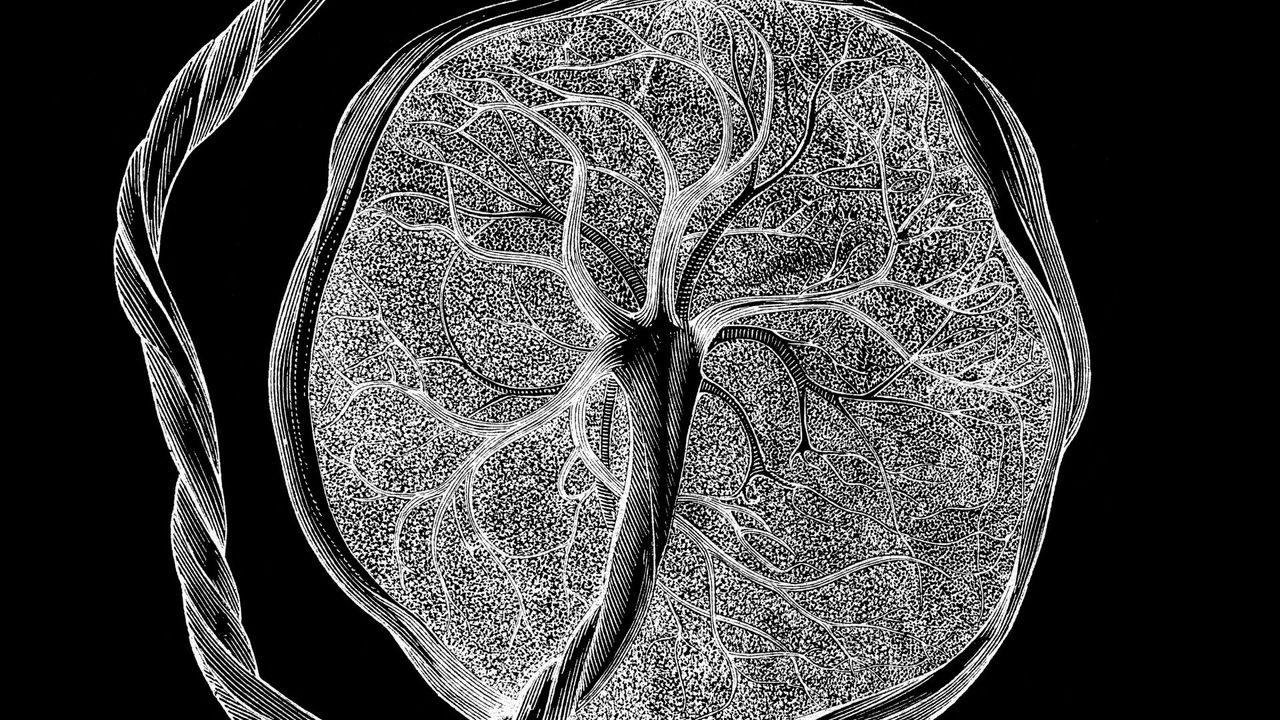
Scientists have discovered a completely new type of cell that exists only during pregnancy — and right now, no one fully understands what it does. The find emerged from one of the most detailed biological maps ever constructed of the placenta and uterus, two organs that remain surprisingly understudied despite their central role in human reproduction.
The newly identified cell subtype does not appear in the uterus outside of pregnancy. Instead, it rises sharply in number at the very start of gestation, suggesting it plays some specific and possibly critical role in the earliest stages of fetal development. What that role is, researchers are still working to determine.
For anyone who has experienced pregnancy complications — or simply wants to understand how human life begins — this discovery represents a significant step toward answers that medicine has struggled to reach for decades.
Scientists Built a New Map of the Pregnant Body
The research centers on what scientists are calling an “atlas” — a comprehensive cellular map of placental and uterine tissues. Think of it as a biological directory that catalogs every type of cell present in these tissues, showing not just what cells exist but how they change, grow, and evolve across the course of a pregnancy.
Constructing this kind of atlas requires analyzing tissue at the molecular level, identifying individual cells by their genetic activity and structural characteristics. It’s painstaking work, but it produces something genuinely valuable: a clear picture of how two of the body’s most dynamic and temporary organs actually function.
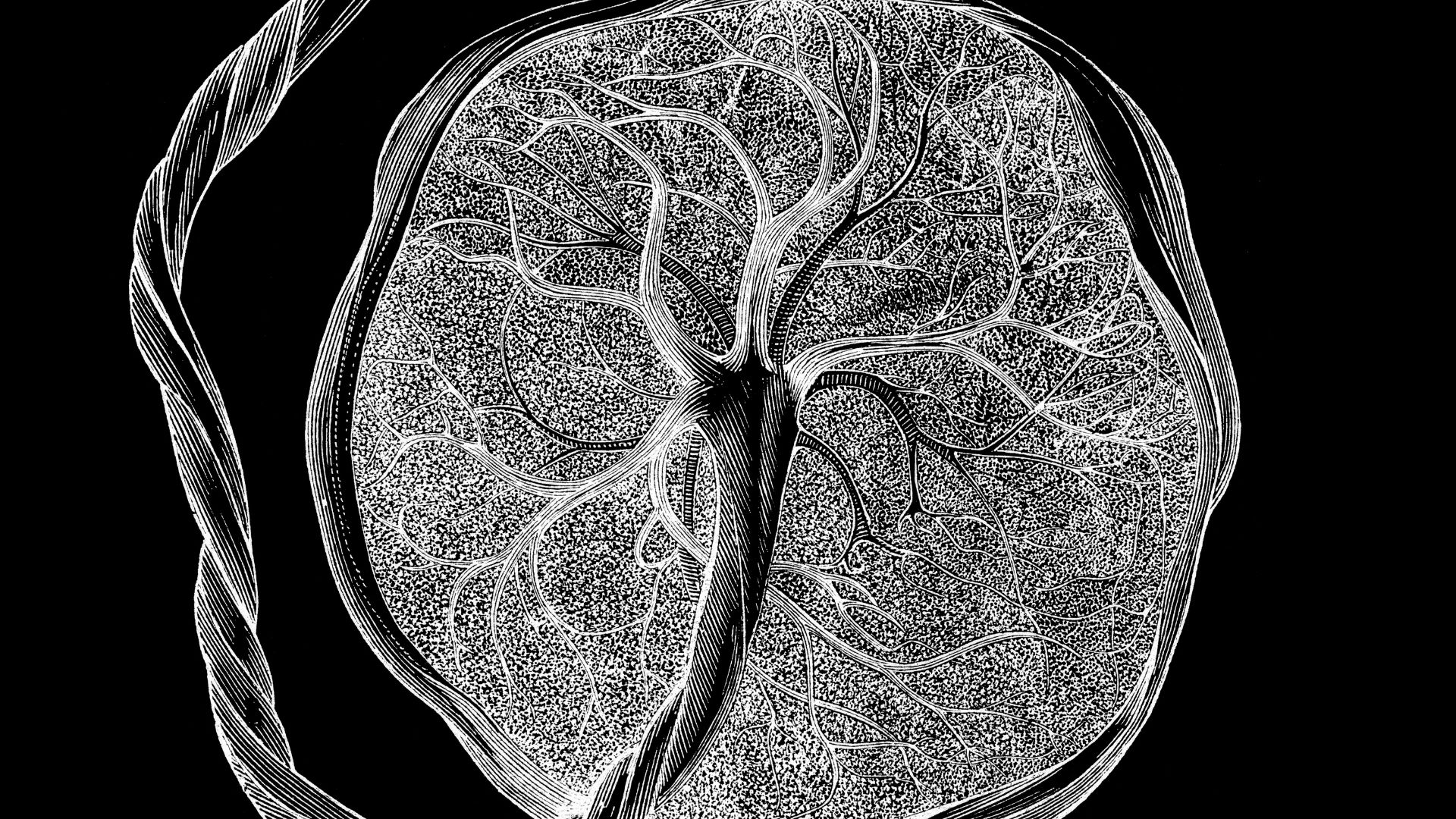
The placenta is one of biology’s more remarkable structures. It forms from scratch after conception, sustains an entirely separate human being for roughly nine months, and then is discarded after birth. Despite that extraordinary lifecycle, it has historically received far less scientific attention than other organs. This new atlas is a direct attempt to close that gap.
The Cell No One Has Seen Before
Buried within this new map was something unexpected: a cell subtype that has never been described in scientific literature before. Researchers confirmed it is not present in the uterus during normal, non-pregnant states. It appears specifically during pregnancy, and its numbers climb noticeably at the start of gestation.
That timing is significant. The beginning of pregnancy is a period of intense biological activity — the embryo is implanting, the placenta is forming, and the uterine environment is being completely restructured to support fetal growth. A cell that surges in number precisely during this window is almost certainly doing something important.
What exactly that something is remains an open question. Researchers have acknowledged openly that the function of these cells is not yet known. The fact that they are present only during pregnancy, and not in normal uterine tissue, makes them genuinely novel — and potentially highly relevant to understanding why pregnancies sometimes go wrong.
What We Know — and What We Don’t
| What Is Confirmed | What Remains Unknown |
|---|---|
| A new cell subtype has been identified | The precise biological function of these cells |
| The cells are not present in the uterus outside of pregnancy | Whether these cells differ between healthy and complicated pregnancies |
| Cell numbers rise at the start of pregnancy | How these cells interact with other placental or uterine cell types |
| The cells were found through a detailed cellular atlas of placental and uterine tissue | Whether their absence or malfunction contributes to miscarriage or other complications |
The honest answer, as researchers themselves have indicated, is that science is at the beginning of understanding these cells — not the end. Naming and locating a new cell type is the first step. Understanding what it does, and what happens when something goes wrong with it, is the work that follows.
Why This Matters Beyond the Lab
Pregnancy complications affect millions of people every year. Conditions like preeclampsia, miscarriage, preterm birth, and placental insufficiency cause enormous suffering, and in many cases, medicine still cannot fully explain why they happen. The placenta and uterus are at the center of most of these failures — yet the cellular biology of these organs has remained poorly mapped compared to, say, the heart or the brain.
That gap in knowledge has real consequences. Treatments for pregnancy complications have advanced slowly in part because researchers lacked a clear baseline understanding of how healthy placental and uterine tissue is supposed to work at the cellular level. An atlas that documents every cell type — including ones that were previously unknown — gives scientists a much stronger foundation to build from.
The newly discovered cell type is particularly intriguing from a medical standpoint. If a cell appears only during pregnancy and surges early in gestation, it could be involved in processes like embryo implantation, immune tolerance (the body’s ability to not reject a genetically foreign fetus), or the early formation of the placenta itself. Any disruption to those processes can have serious downstream consequences for the pregnancy.
What Researchers Are Looking at Next
The immediate priority for the scientific community will be characterizing these newly identified cells more fully — determining what genes they express, what proteins they produce, and how they interact with surrounding tissue. Researchers will also likely investigate whether these cells behave differently in pregnancies affected by complications compared to healthy ones.
The broader atlas itself is also a resource that other researchers can use. Biological atlases of this kind tend to generate years of follow-on studies as scientists mine the data for additional insights. The discovery of one new cell type may well be the first of several findings to emerge from this particular map.
For now, the existence of a cell that science had never documented — one tied specifically to the condition of pregnancy itself — is a reminder of how much remains to be learned about one of the most fundamental biological processes in human life.
Frequently Asked Questions
What did scientists actually discover?
Researchers identified a new subtype of cell that has never been described before in scientific literature, found only in the uterus during pregnancy and not in non-pregnant uterine tissue.
Where were these new cells found?
The cells were discovered through the construction of a detailed cellular atlas of placental and uterine tissues, which mapped how these organs change throughout pregnancy.
What do these new pregnancy cells do?
Their function is not yet known. Researchers have acknowledged openly that the biological role of these cells remains to be determined.
When do these cells appear during pregnancy?
According to the research, the cells are not present in the uterus outside of pregnancy and rise in number at the start of gestation.
Could these cells be connected to pregnancy complications?
This has not yet been confirmed, but their specific appearance during early pregnancy makes them a subject of significant interest for future research into conditions like miscarriage or preeclampsia.
What is a cellular atlas and why does it matter?
A cellular atlas is a detailed biological map that documents every type of cell in a tissue and how those cells change over time — giving scientists a clearer baseline for understanding how healthy tissue functions and what goes wrong in disease.



Leave a Reply