
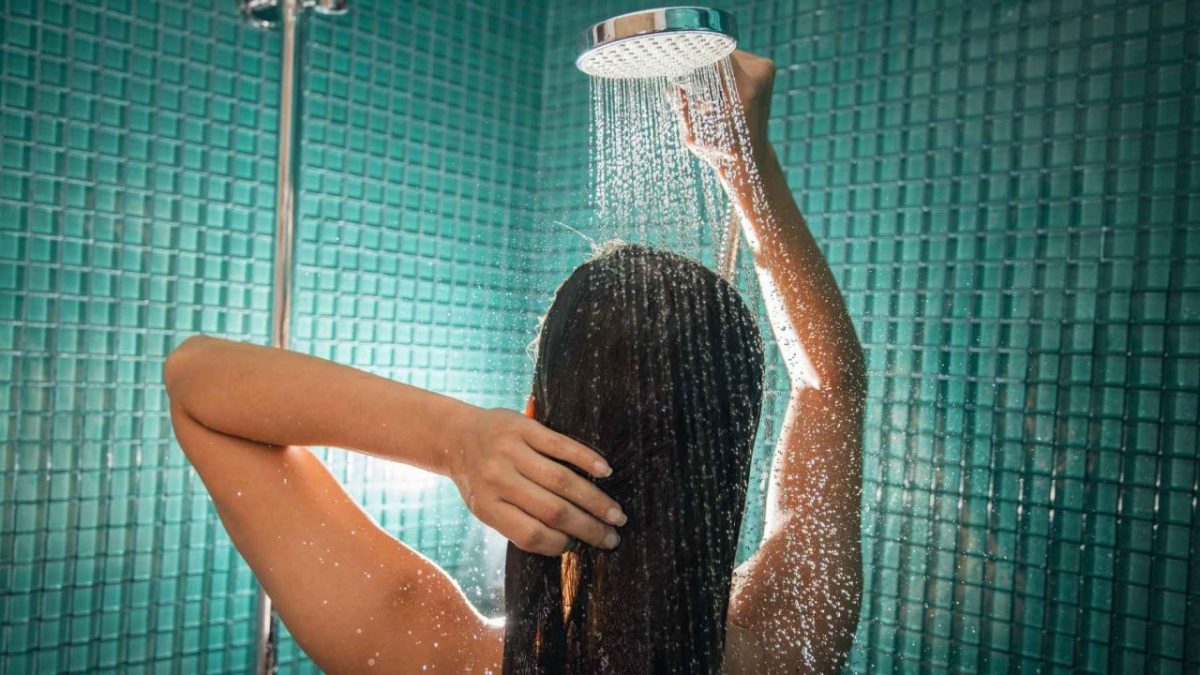
A warm shower before bed might do more for your health than any sleep supplement on the market — and the research to back that up is surprisingly specific. Studies show that people who shower or bathe in warm water one to two hours before bedtime fall asleep faster, stay asleep longer, and report feeling better rested overall. The secret has nothing to do with personality type, and everything to do with what heat does to the human body.
For years, the question of whether someone showers at night versus in the morning has been treated like a window into character — a signal of discipline, hygiene priorities, or lifestyle. But when researchers actually studied the habit, they found something far more grounded and far more useful: a reliable, low-cost tool for improving sleep quality.
That shift in framing matters. Because if nighttime showering is less about who you are and more about what your body needs, it becomes something almost anyone can use intentionally.
What the Research Actually Found About Night Showers and Sleep
The most substantial evidence comes from two separate bodies of research, both pointing in the same direction.
A 2019 systematic review and meta-analysis — which screened 5,322 published papers and ultimately included 17 studies — found that warm showers or baths taken one to two hours before bedtime were associated with better sleep quality and shorter sleep onset latency. In plain terms: people fell asleep more easily and slept better when they bathed in warm water before bed within that specific window.
More recently, a 2025 study of 2,252 community-dwelling older adults examined the effects of before-bed hot-tub bathing and found measurable improvements across multiple sleep metrics. The findings were detailed enough to put numbers to the benefit.
The Numbers Behind the Habit
The 2025 study produced some of the most specific data available on this topic. Here is what researchers found among older adults who bathed in hot water before sleep:
| Sleep Metric | Observed Improvement |
|---|---|
| Sleep efficiency | 1.3% higher |
| Time awake after sleep onset | 3.3 fewer minutes |
| Odds of poor self-reported sleep quality | 27% lower |
These numbers may not look dramatic on paper, but across the full span of a week, a month, or a year, they represent a meaningful reduction in restless nights — particularly for older adults, who are more likely to struggle with disrupted sleep.
The 27% reduction in the odds of reporting poor sleep quality is especially notable. That is not a marginal difference. It suggests that something as simple and accessible as timing a warm shower before bed could shift a person’s subjective experience of sleep quality in a consistent, measurable way.
Why Warm Water Has This Effect on the Body
The mechanism is rooted in basic physiology, not habit psychology. When you step into warm water, your blood vessels near the skin surface dilate. Blood moves toward the skin, away from the body’s core. When you step out, that heat dissipates rapidly — and your core body temperature drops.
That drop in core temperature is exactly what the body uses as a signal to initiate sleep. The brain interprets falling core temperature as a biological cue that it is time to wind down. By taking a warm shower or bath one to two hours before bed, you are essentially accelerating and amplifying a process the body was going to attempt on its own anyway.
The timing window matters. Too close to bedtime, and the body has not had enough time to complete the cooling process. The research consistently points to that one-to-two-hour gap as the effective sweet spot.
The Ritual Effect — Why Routine Matters Beyond Temperature
The temperature science is compelling on its own, but there is a second layer to what nighttime showering offers: predictability.
A consistent pre-sleep routine signals to the brain that the day is ending. It creates a clear boundary between the active, stimulated hours and the quiet that sleep requires. For people who struggle to mentally disengage from work, stress, or the accumulated noise of the day, a physical ritual like a shower can serve as a reliable transition point.
Research on sleep hygiene has long emphasized the role of consistent bedtime routines in reducing sleep onset problems. The shower, in this context, is not just a hygiene act — it is a psychological anchor. The body learns to associate the warmth, the sensory shift, and the routine itself with the approach of sleep.
This is particularly relevant for people who describe lying awake with racing thoughts. The shower does not eliminate stress, but it provides a structured moment of physical sensation that interrupts the mental loop and begins the transition to rest.
Who Stands to Benefit Most From This Habit
The 2025 study focused specifically on older adults, a group that tends to experience more fragmented sleep, earlier wake times, and lower overall sleep efficiency as a natural consequence of aging. The results were significant enough within that population to suggest real practical value.
But the 2019 meta-analysis drew from a broader range of study populations, and its conclusions applied more generally. Adults who struggle with falling asleep, staying asleep, or simply feeling rested — regardless of age — were among those who appeared to benefit from the warm water, pre-sleep timing approach.
For people who already shower at night out of preference or convenience, the takeaway is straightforward: the habit may be doing more for your sleep than you realized. For morning shower people considering a change, the research suggests the timing shift could be worth trying — particularly if sleep quality is already a concern.
Frequently Asked Questions
Does the water temperature matter for sleep benefits?
The research focused on warm to hot water, which triggers the blood vessel dilation and subsequent core temperature drop that promotes sleep onset. Cold showers were not part of the findings reviewed here.
How long before bed should you shower to improve sleep?
The 2019 systematic review and meta-analysis found that showering or bathing one to two hours before bedtime was associated with better sleep quality and faster sleep onset.
How much can a nighttime shower actually improve sleep quality?
According to the 2025 study of older adults, before-bed hot-tub bathing was linked to 27% lower odds of poor self-reported sleep quality, 1.3% higher sleep efficiency, and 3.3 fewer minutes awake after falling asleep.
Does showering at night really say something about your personality?
The research does not support strong personality conclusions from shower timing. Scientists found the more meaningful connection is between nighttime showering and sleep quality, not character traits.
Is this habit more useful for older adults than younger people?
The 2025 study specifically examined older adults and found significant sleep benefits in that group. However, the broader 2019 meta-analysis included a wider range of populations and reached similar conclusions about warm pre-sleep bathing.
How many studies support the sleep benefits of nighttime showering?
The 2019 meta-analysis screened 5,322 papers and included 17 studies in its final analysis, making it one of the more comprehensive reviews available on this specific topic.




Leave a Reply