
Retired history teacher Edmund Hartwell ran his weathered fingers along the ancient stone wall of Bamburgh Castle, feeling the same thrill he’d experienced forty years ago on his first visit to Northumberland. “Every stone tells a story,” he whispered to his granddaughter, who was more interested in her phone than the medieval fortress towering above them.
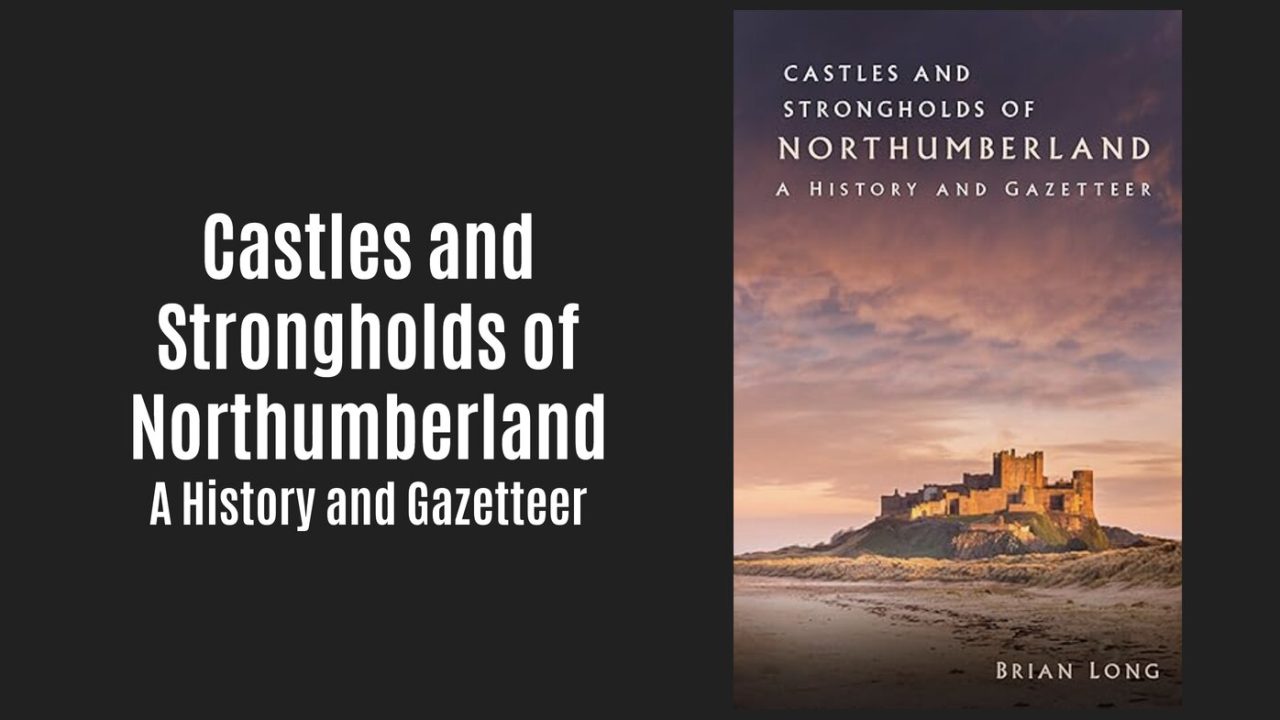
What Edmund didn’t know was that just miles away, researchers were putting the finishing touches on what would become the most comprehensive guide to Northumberland’s medieval strongholds ever published. The new book “Castles and Strongholds of Northumberland” promises to unlock secrets that even seasoned enthusiasts like Edmund have never discovered.
For decades, visitors to this rugged northern English county have marveled at its dramatic castle ruins and imposing fortifications, but many have left without truly understanding the incredible stories these structures hold.
Why This New Medieval Guide Changes Everything
Northumberland boasts more castles per square mile than any other English county, yet most people only know about the famous ones. This new publication from Medievalists.net represents years of meticulous research, combining archaeological discoveries with historical records to paint the most complete picture yet of the region’s medieval defenses.
The book doesn’t just catalog castles – it brings them to life. You’ll discover how these strongholds shaped the violent border conflicts between England and Scotland, and why some seemingly minor fortifications played outsized roles in medieval politics.
This isn’t just another castle guidebook. We’ve uncovered stories and architectural details that have been overlooked for centuries, giving readers a completely fresh perspective on Northumberland’s medieval landscape.
— Dr. Margaret Thornfield, Medieval Architecture Specialist
What sets this work apart is its focus on both the grand castles that dominate postcards and the lesser-known tower houses, pele towers, and fortified manor houses that dot the countryside. Many of these smaller strongholds have fascinating histories that rival their more famous neighbors.
Essential Castles and Hidden Gems Revealed
The book covers an impressive range of medieval fortifications, from world-famous sites to structures most locals have never heard of. Here’s what you’ll discover:
- Bamburgh Castle: New insights into its role as a royal stronghold and symbol of English power
- Alnwick Castle: Behind-the-scenes details about the Percy family’s medieval influence
- Warkworth Castle: Architectural innovations that influenced castle design across England
- Dunstanburgh Castle: The dramatic story of its construction during political turmoil
- Chillingham Castle: A fortified manor house with surprisingly dark medieval secrets
- Ford Castle: A border fortress that changed hands repeatedly during Scottish raids
But the real treasures are the lesser-known sites. The book reveals dozens of tower houses and fortified buildings that most guidebooks ignore completely.
| Castle Type | Number Featured | Time Period | Key Features |
|---|---|---|---|
| Major Castles | 12 | 11th-15th Century | Royal connections, major battles |
| Tower Houses | 18 | 13th-16th Century | Family strongholds, local defense |
| Pele Towers | 25 | 14th-16th Century | Border protection, refuge towers |
| Fortified Manors | 15 | 12th-15th Century | Defensive homes, status symbols |
What surprised me most during our research was discovering how many significant medieval structures have been hiding in plain sight. Some of Northumberland’s most interesting fortifications are incorporated into later buildings or disguised by centuries of modifications.
— James Whitmore, Archaeological Survey Lead
How Border Warfare Shaped These Strongholds
Understanding Northumberland’s castles means understanding the brutal reality of medieval border life. For centuries, this region existed in a state of almost constant conflict between English and Scottish forces.
The book expertly explains how this unique situation created a distinctive type of fortification. Unlike castles in more peaceful parts of England, Northumberland’s strongholds had to balance luxury with serious defensive capabilities. Even minor manor houses needed thick walls and secure towers.
The constant threat of Scottish raids shaped everything from architectural details to the daily lives of inhabitants. Families would retreat to their tower houses at the first sign of trouble, sometimes staying locked inside for days while raiders swept through the countryside.
These weren’t just impressive buildings – they were survival tools. Every design decision, from window placement to wall thickness, could mean the difference between life and death during a raid.
— Professor David Kellman, Border History Expert
The book includes detailed maps showing raid routes and explains how castle locations were chosen specifically to control key valleys and river crossings. You’ll understand why certain strongholds became legendary while others faded into obscurity.
What Modern Visitors Need to Know
Beyond the historical insights, this publication serves as an invaluable practical guide for anyone planning to explore Northumberland’s medieval heritage. Many of the featured sites are privately owned or require special permission to visit, and the book provides essential visitor information.
The authors have included detailed directions to sites that don’t appear on standard tourist maps, along with photography tips and the best times to visit for optimal lighting and fewer crowds.
For serious castle enthusiasts, the book reveals architectural details that are easy to miss without expert guidance. You’ll learn to spot the difference between Norman and later medieval construction techniques, identify defensive features, and understand how these buildings evolved over centuries.
We wanted to create something that works equally well for armchair travelers and people actually walking through these ruins. The historical context makes every visit more meaningful.
— Sarah Blackwood, Co-author and Medieval Historian
The publication also addresses the ongoing conservation challenges facing these ancient structures. Climate change, increased tourism, and limited funding all threaten Northumberland’s medieval heritage, making documentation efforts like this more crucial than ever.
FAQs
How many castles and strongholds does the book cover?
The book features over 70 medieval fortifications, from major royal castles to small tower houses and pele towers.
Is this suitable for casual visitors or just serious historians?
The book is written for general audiences but includes enough detailed research to satisfy academic readers and medieval architecture specialists.
Can I use this as a travel guide for visiting the sites?
Yes, it includes practical visitor information, directions to hard-to-find locations, and tips for getting the most from your visits.
Does it cover sites that aren’t open to the public?
The book features both public sites and privately owned structures, with clear information about access restrictions and viewing opportunities.
What makes Northumberland’s castles different from others in England?
The constant border warfare with Scotland created unique defensive requirements, resulting in distinctively robust fortifications even in smaller manor houses.
Are there maps and photographs included?
The publication includes detailed maps, historical illustrations, and contemporary photographs to help readers understand both the geography and architecture of these medieval strongholds.

Leave a Reply