
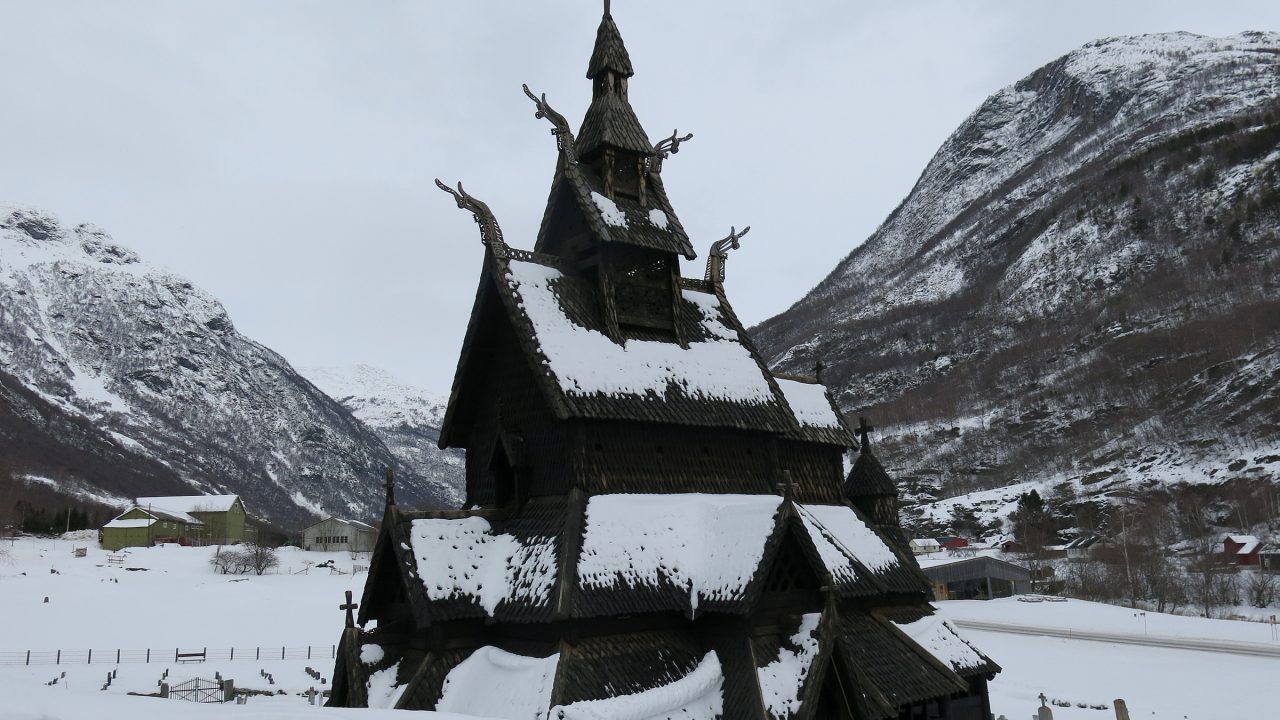
Astrid Haugen runs her fingers along the weathered wooden walls of Borgund Stave Church, feeling the grooves carved by craftsmen over 900 years ago. As a local tour guide in western Norway, she’s watched countless visitors stand in awe before these towering wooden masterpieces. But lately, she’s noticed something troubling.
“The wood is changing,” she whispers to her colleague, pointing to subtle discoloration near the base. “Climate change isn’t just affecting our glaciers—it’s threatening our most precious medieval treasures.”
Astrid’s concerns echo across Norway, where ancient stave churches face an uncertain future. These aren’t just buildings; they’re living pieces of Viking-era craftsmanship that have somehow survived wars, weather, and centuries of change.
Norway’s Bold Move to Save Medieval Masterpieces
The Norwegian government has announced a massive investment of millions of kroner to preserve the country’s remaining medieval stave churches. This isn’t just about maintaining old buildings—it’s about saving some of Europe’s most remarkable wooden architecture before it’s too late.
Only 28 stave churches remain from the medieval period, down from an estimated 1,000 to 2,000 that once dotted the Norwegian landscape. Each one represents a unique blend of Christian symbolism and Norse building traditions, featuring intricate dragon heads, soaring wooden spires, and construction techniques that predate modern engineering.
These churches are irreplaceable windows into our past. Once they’re gone, we lose a direct connection to medieval Norwegian craftsmanship forever.
— Dr. Lars Vikøren, Norwegian Institute for Cultural Heritage Research
The preservation initiative comes at a critical time. Rising temperatures, increased rainfall, and extreme weather events are accelerating the deterioration of these ancient wooden structures. What took centuries to build could be lost within decades without immediate intervention.
What Makes Stave Churches So Special
Stave churches represent a fascinating chapter in architectural history. Built entirely of wood using post-and-lintel construction, these structures showcase the incredible skill of medieval Norwegian craftsmen who worked without nails or modern tools.
The preservation funding will target several key areas:
- Advanced climate monitoring systems to track temperature and humidity changes
- Specialized wood treatment to prevent rot and insect damage
- Foundation reinforcement to address shifting caused by changing weather patterns
- Documentation projects using 3D scanning and digital modeling
- Training programs for craftspeople skilled in traditional building techniques
| Church Name | Built | Location | Key Features |
|---|---|---|---|
| Borgund | 1180s | Sogn og Fjordane | Dragon heads, four-tier roof |
| Urnes | 1130s | Luster | UNESCO World Heritage site |
| Heddal | 1200s | Telemark | Norway’s largest stave church |
| Hopperstad | 1130s | Vik | Restored dragon decorations |
| Lom | 1200s | Oppland | Cross-shaped floor plan |
We’re not just preserving wood and stone—we’re protecting the DNA of Norwegian cultural identity.
— Minister of Culture Anette Trettebergstuen
The Race Against Time and Weather
Climate change poses unprecedented challenges for these ancient structures. Traditional preservation methods assumed relatively stable weather patterns, but that’s no longer the case. Wood expands and contracts with temperature changes, and increased moisture creates perfect conditions for rot and pest infestations.
The investment includes cutting-edge technology alongside traditional craftsmanship. Researchers are developing new wood treatments that protect against moisture while allowing the timber to breathe naturally. They’re also creating detailed digital twins of each church, ensuring that even if physical structures are damaged, the architectural knowledge won’t be lost.
Some churches have already shown concerning signs of deterioration. Gol Stave Church, now housed in the Norwegian Folk Museum, required emergency intervention when experts discovered extensive insect damage. The experience highlighted how quickly these structures can deteriorate without proper monitoring.
Traditional Norwegian builders understood wood better than we do today. Part of our job is rediscovering that ancient knowledge while applying modern conservation science.
— Master Carpenter Ola Storsletten
What This Means for Norway and the World
The preservation effort extends beyond Norway’s borders. These churches represent unique solutions to architectural challenges that could inform modern sustainable building practices. The techniques used to join massive wooden beams without metal fasteners offer insights for contemporary green construction.
Tourism also plays a significant role. Stave churches attract hundreds of thousands of visitors annually, contributing millions to local economies. Rural communities depend on these architectural treasures to draw visitors to regions that might otherwise struggle economically.
The project will create specialized jobs for craftspeople, conservators, and researchers. Young Norwegians will have opportunities to learn traditional building techniques that were nearly lost to industrialization.
Every stave church we save is a victory against the forces trying to erase our connection to the past.
— Historian Dr. Marit Synnøve Vea
The funding also supports community engagement programs. Local schools will connect students with restoration projects, ensuring the next generation understands the value of preserving cultural heritage.
International collaboration forms another crucial component. Norwegian experts will share their preservation techniques with other countries facing similar challenges with wooden heritage structures. The knowledge gained could help save medieval buildings across Scandinavia and beyond.
This investment represents more than just building maintenance—it’s a declaration that some things are too valuable to lose to time and weather. In a world increasingly focused on the future, Norway is making sure its medieval past has a place in tomorrow’s landscape.
FAQs
How many medieval stave churches still exist in Norway?
Only 28 original medieval stave churches remain standing today, down from an estimated 1,000 to 2,000 that existed historically.
What makes stave churches architecturally unique?
They’re built entirely of wood using post-and-lintel construction without nails, featuring intricate carvings and dragon decorations that blend Christian and Norse traditions.
Why are these churches threatened now?
Climate change is accelerating deterioration through increased temperature fluctuations, moisture, and extreme weather that traditional preservation methods weren’t designed to handle.
Can visitors still tour these churches?
Yes, most stave churches remain open to visitors, though some may have restricted access during restoration work.
How long will the preservation project take?
The project is expected to span several years, with different churches receiving attention based on their condition and preservation needs.
Are similar churches found in other countries?
While wooden churches exist elsewhere in Scandinavia, Norway has the largest collection of preserved medieval stave churches in the world.

Leave a Reply