
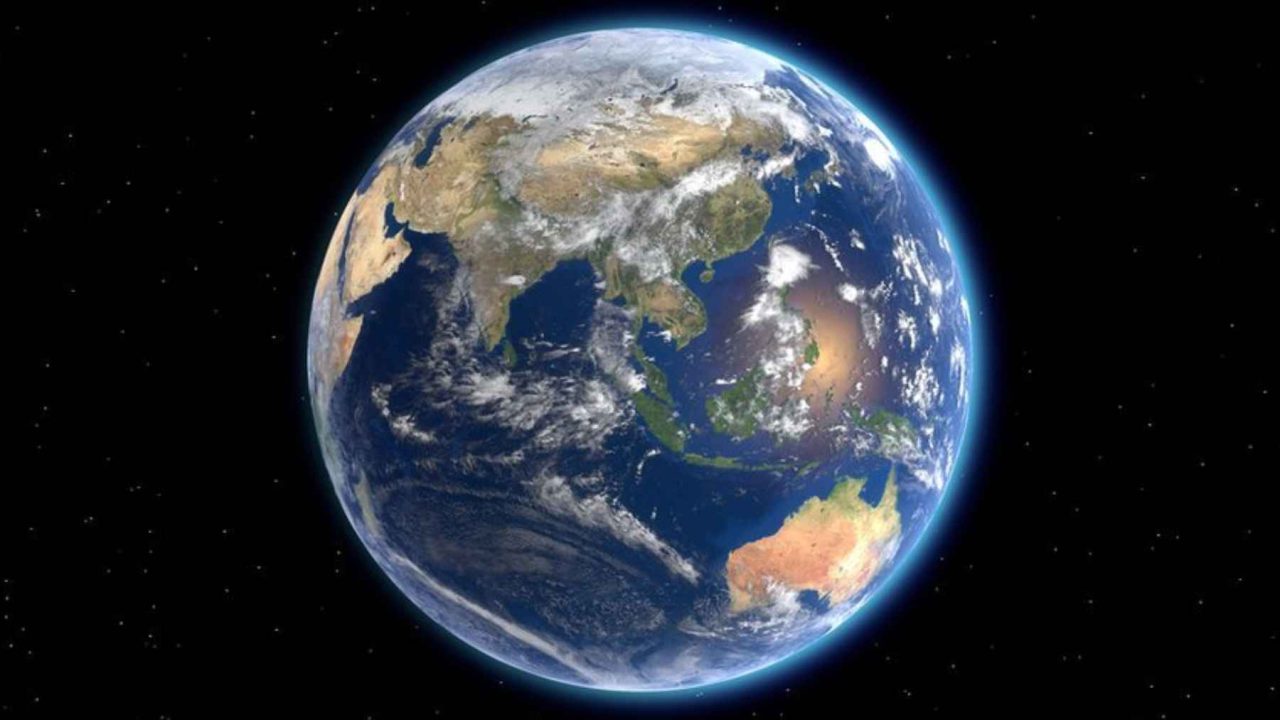
Earth is accumulating heat faster than it can release it — and for the first time, a major international climate body is treating that gap as an official warning sign. According to the World Meteorological Organization’s latest annual assessment, the planet’s energy imbalance hit a record level in 2025, with the oceans absorbing the overwhelming majority of that trapped heat.
This isn’t a distant, abstract number buried in a scientific report. Scientists say this growing “heat debt” is already shaping the intensity of heat waves, the destructive power of storms, and the pace of coastal flooding — and the consequences, according to the WMO, could persist for hundreds and thousands of years.
The United Nations is paying close attention. So should everyone else.
What Earth’s Energy Imbalance Actually Means
Think of it like a bank account that only ever receives deposits. The planet absorbs energy from the sun and, under normal conditions, releases a roughly equal amount back into space. When those two sides fall out of balance — when more heat comes in than goes out — the excess has to go somewhere. Mostly, it goes into the ocean.
That stored heat doesn’t disappear. It circulates, warms the water, and eventually influences weather systems across the entire planet. The WMO’s new report marks a turning point in how scientists are measuring and communicating this problem: for the first time, Earth’s energy imbalance has been elevated to a key climate indicator, placed alongside more recognizable measures like global surface temperature and sea level rise.
That’s a significant shift. It signals that the scientific community now considers this hidden heat buildup central to understanding where the climate is heading — not a footnote, but a headline.
The Record Numbers Behind the UN’s Concern
The WMO’s 2025 assessment contains several findings that, taken together, paint a striking picture of accelerating change. The data points confirmed in the report include:
- Earth’s energy imbalance reached a record level in 2025
- The oceans absorbed the vast majority of the additional trapped heat
- The years 2015 through 2025 were the eleven hottest years ever recorded
- 2024 was confirmed as the single warmest year on record
- 2025 ranked as the second or third warmest year on record
Each of those data points on its own would be notable. Together, they represent a consistent, unbroken trend stretching across more than a decade.
| Climate Indicator | Status (per WMO 2025 Report) |
|---|---|
| Earth’s Energy Imbalance | Record high in 2025 — now an official key climate indicator |
| Ocean Heat Absorption | Oceans absorbed the vast majority of excess trapped heat |
| Hottest Years on Record | 2015–2025 are the eleven hottest years ever recorded |
| Warmest Single Year | 2024 holds the record; 2025 ranked second or third |
| Projected Duration of Impact | Consequences expected to last hundreds to thousands of years |
Why This “Heat Debt” Is Dangerous Even If You Live Inland
One of the most common misconceptions about ocean heat is that it only matters if you live near the coast. That’s not how climate systems work.
When oceans store excess heat, they don’t hold it passively. That energy feeds into the atmosphere, influences wind patterns, and helps determine where storms form, how strong they get, and how much rain they carry when they arrive. Warmer ocean surfaces also mean more evaporation, which loads the atmosphere with more moisture — and more moisture means more intense rainfall events when storms do hit land.
The WMO report specifically links the growing energy imbalance to the increased sharpness of heat waves, the heightened punch of storms, and worsening coastal flooding. These aren’t speculative future risks. They are described as active consequences of the heat that has already been absorbed.
WMO Secretary-General Celeste Saulo stated directly that “Human activities are increasingly disrupting the natural equilibrium” and warned that the consequences of this disruption can last for “hundreds and thousands of years.” That framing — not decades, but centuries — reflects just how long-lived the effects of today’s energy imbalance are expected to be.
United Nations Secretary-General António Guterres also weighed in on the findings, though the full text of his remarks was not available in
The Part of This Story Most People Are Missing
Surface temperature gets most of the attention in climate coverage — and for good reason. Record-breaking heat years are tangible, measurable, and easy to communicate. But the energy imbalance metric tells a deeper story about what is happening beneath the surface, quite literally.
Most of the heat being added to the Earth system isn’t showing up in the air temperature readings people track day to day. It’s being absorbed into the deep ocean, where it can remain for decades before influencing weather patterns at the surface. This is why scientists sometimes describe it as a “heat debt” — energy that has been borrowed from the atmosphere and stored, but that will eventually be repaid in the form of altered weather, higher sea levels, and more volatile climate events.
By formally designating the energy imbalance as a key indicator, the WMO is essentially telling the world: stop looking only at the thermometer. The real story is in what the ocean is holding.
What the Coming Years Could Look Like
The WMO report does not offer a precise timeline for when the stored ocean heat will translate into specific weather events — climate systems don’t work on predictable schedules. What the report does make clear is that the trajectory is not reversing on its own.
The eleven consecutive record-breaking years from 2015 to 2025 suggest this is not a temporary fluctuation. And the decision to formally track energy imbalance as a headline indicator means future annual assessments will likely show whether that gap is narrowing or widening.
For now, the direction is unmistakably upward — and the WMO’s message to the international community is that the window for limiting the long-term consequences is not unlimited.
Frequently Asked Questions
What is Earth’s energy imbalance?
It refers to the gap between how much heat the planet absorbs from the sun and how much it releases back into space. When more heat comes in than goes out, the excess is stored — primarily in the oceans.
Why did the WMO add energy imbalance as a key climate indicator?
According to the WMO’s 2025 annual assessment, the energy imbalance hit a record level and is now considered as important a measure as surface temperature and sea level when tracking climate change.
Which years were the hottest on record?
The WMO report confirms that 2015 through 2025 were the eleven hottest years ever recorded, with 2024 being the warmest single year and 2025 ranking second or third.
How long could the effects of this heat debt last?
WMO Secretary-General Celeste Saulo warned that the consequences of disrupting Earth’s natural equilibrium could last for “hundreds and thousands of years.”
Does this only affect people who live near the coast?
No. The stored ocean heat influences storm intensity, rainfall patterns, and heat wave severity across inland regions as well, not just coastal areas.
Is the energy imbalance getting worse or better?
Based on the WMO’s 2025 findings, the imbalance reached a record high, suggesting it is continuing to grow rather than stabilize or reverse.




Leave a Reply