
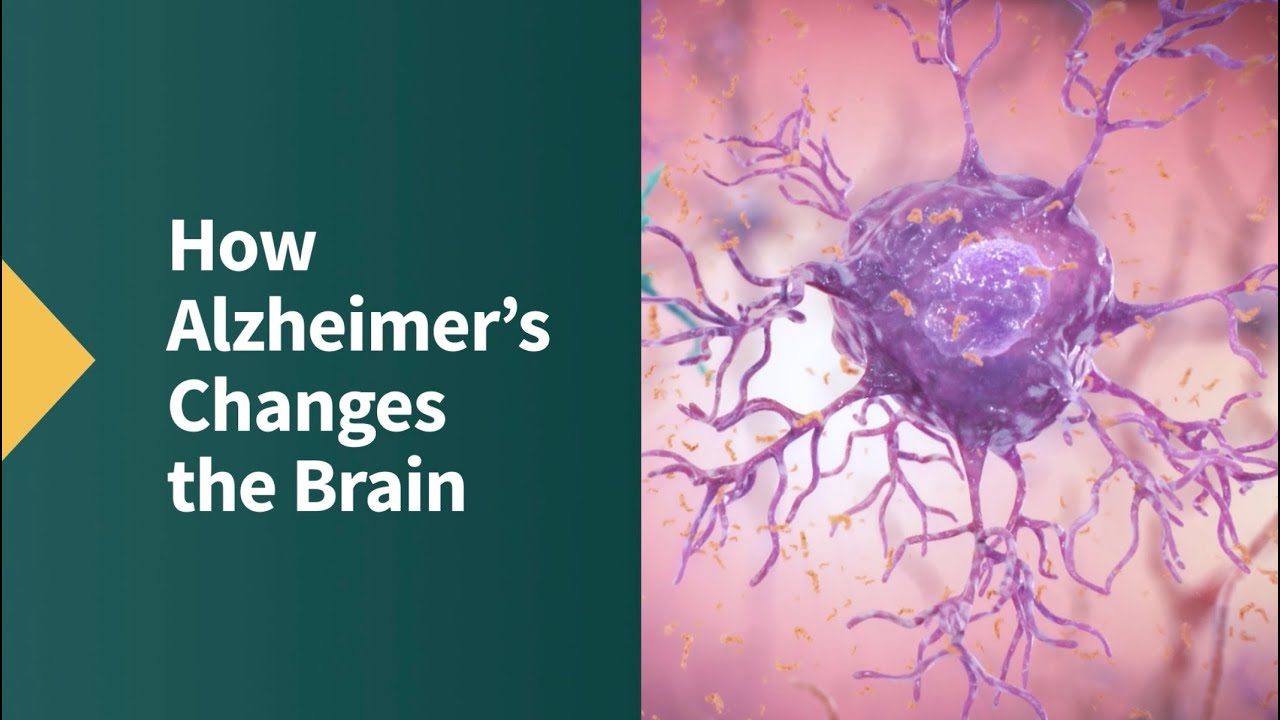
What if the reason your brain ages the way it does comes down to a single molecular switch — one that scientists may have just found? A team of researchers says they have identified a protein called OTULIN that appears to act as a master regulator of tau production inside human neurons. When OTULIN is dialed down, tau — the sticky protein at the center of Alzheimer’s disease and related dementias — stops being produced and can even be cleared from lab-grown brain cells.
That is a striking finding, and it has drawn significant attention from the neuroscience community. Brain aging has long been studied at the level of symptoms and broad biological patterns. Finding something that looks like a specific upstream controller of tau is a different kind of discovery — one that points toward a possible target for future treatments.
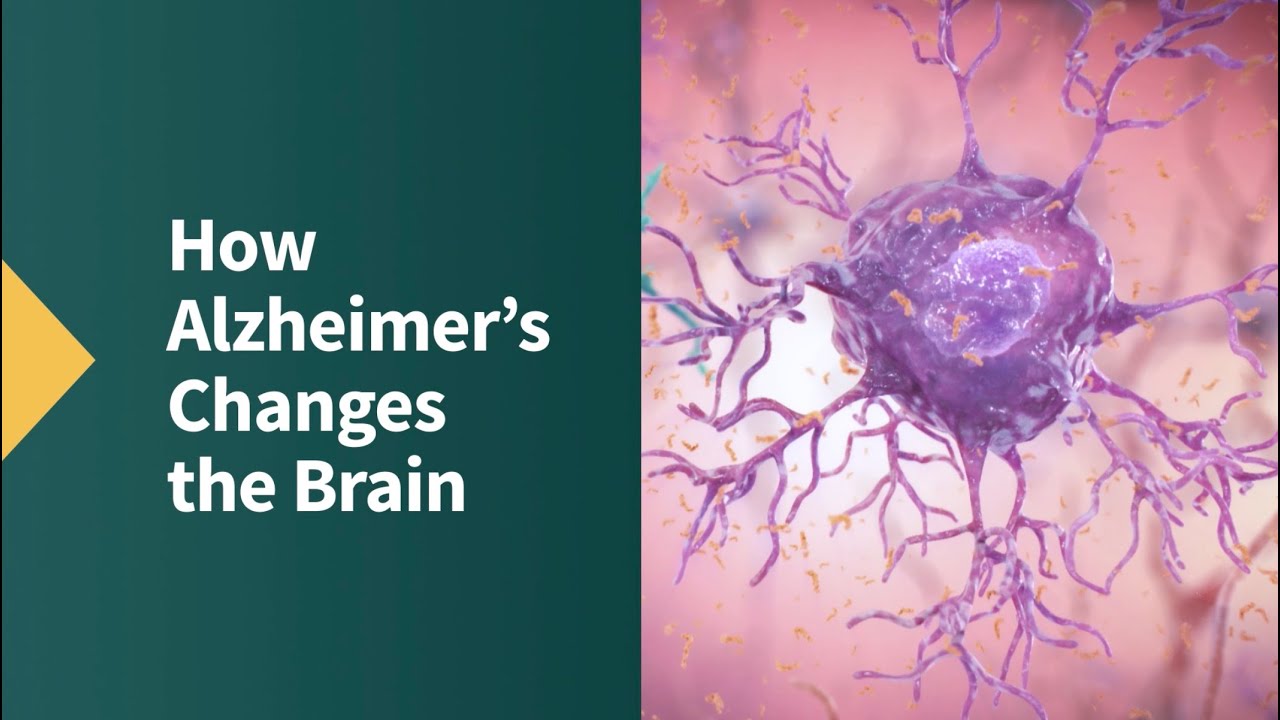
The research is still early. But the implications, if the findings hold up, are hard to overstate for the tens of millions of people worldwide living with Alzheimer’s and other tau-related brain diseases.
What Tau Actually Does Inside Your Brain
Tau is not inherently a villain. Under normal conditions, it plays an essential structural role inside nerve cells, acting like scaffolding that stabilizes tiny internal tubes. Those tubes — called microtubules — keep neurons in shape and serve as a kind of highway system, transporting nutrients and other materials to where they are needed.
The problem starts when tau becomes abnormal. Instead of doing its job quietly, it begins to clump together into dense, tangled structures. Those tangles physically clog the neuron’s internal transport system, cutting off the flow of nutrients and eventually killing the cell.
Under a microscope, these tau tangles are one of the most recognizable features of Alzheimer’s disease brain tissue. They appear alongside another hallmark of the disease — amyloid plaques — and together, they mark the slow, progressive destruction of the brain’s architecture. Tau pathology is also associated with more than twenty other brain conditions, collectively known as tauopathies, making it one of the most consequential proteins in all of neuroscience.
The OTULIN Discovery: What the Research Found
The central claim of this research is that OTULIN, a protein whose role in brain aging had not been well understood, functions as a kind of master switch controlling tau production. When scientists reduced OTULIN activity in lab-grown neurons, tau production shut down. More than that — existing tau in those cells was also cleared away.
That second part is particularly notable. Many approaches to Alzheimer’s research have focused on slowing the buildup of tau or amyloid. A mechanism that actively clears tau from neurons is a different proposition entirely.
The experiments were conducted in lab-grown human neurons, which means the findings reflect what happens in human brain cell biology — not just in animal models, which have historically been a weak point in Alzheimer’s drug development. Many treatments that worked in mice have failed in human trials. Research grounded in human cell systems is generally considered a stronger starting point.
| Protein | Normal Role | What Goes Wrong | Disease Connection |
|---|---|---|---|
| Tau | Stabilizes microtubules inside neurons; supports internal transport | Becomes abnormal and forms tangles that block nutrient transport | Alzheimer’s disease and more than 20 related tauopathies |
| OTULIN | Newly identified as a regulator of tau production | When active at elevated levels, may drive tau accumulation | Implicated as a potential upstream switch in brain aging |
Why This Could Matter for Alzheimer’s Research
Alzheimer’s research has had a difficult few decades. The dominant theory — that clearing amyloid plaques would stop the disease — has produced a string of expensive clinical failures. Some drugs have shown modest effects in slowing cognitive decline, but nothing close to a cure or even a reliable treatment has emerged.
Tau has increasingly come into focus as a parallel target. Researchers have noted that tau tangles correlate more closely with actual cognitive symptoms than amyloid plaques do, which has made finding ways to control tau an active priority across the field.
What makes the OTULIN finding potentially significant is that it suggests there may be a single upstream controller — rather than tau itself being the earliest point of intervention. If OTULIN can be modulated safely in living humans, it could theoretically reduce tau production before tangles ever form, or help clear them once they have.
Researchers in the field have noted that identifying a molecular switch upstream of tau opens a new category of therapeutic targets — one that has not been seriously explored before because OTULIN’s role in neurons was not previously understood.
What This Does Not Yet Tell Us
It is worth being clear about what this research does not establish. These findings come from lab-grown neurons — cells in a dish, not a living human brain with its full complexity of systems, immune responses, and decades of accumulated biology.
The leap from “this works in lab-grown neurons” to “this works as a drug in a living person” is enormous and historically difficult. Promising findings at this stage frequently do not survive contact with clinical trials.
- No human clinical trials have been announced or confirmed based on this research
- The long-term safety of modulating OTULIN in the brain is not yet known
- Whether OTULIN behaves the same way in aging human brains as in lab conditions has not been established
- The research represents a discovery phase finding, not a treatment
None of that diminishes the significance of identifying OTULIN as a potential master switch. It simply means the work ahead is substantial — and that caution is warranted before drawing conclusions about what this means for patients today.
What Comes Next in This Line of Research
The immediate next steps in research like this typically involve replicating the findings in additional cell models and then moving into animal studies to observe whether OTULIN modulation affects tau pathology in a living system. If those results are promising, the path toward human trials would begin — a process that typically takes many years.
Scientists and advocates in the Alzheimer’s field have long argued that the disease’s complexity demands multiple lines of attack simultaneously. The OTULIN discovery, if it holds up, would represent one more credible line — and potentially a more fundamental one than many that have come before it.
For the millions of families watching a loved one lose themselves to dementia, every credible new direction matters. This one, at minimum, gives researchers a new place to look.
Frequently Asked Questions
What is OTULIN and why does it matter for Alzheimer’s research?
OTULIN is a protein that researchers have identified as a potential master switch controlling tau production in human neurons. When OTULIN activity is reduced in lab-grown neurons, tau production shuts down and existing tau can be cleared from the cells.
What is tau and why is it associated with Alzheimer’s disease?
Tau normally stabilizes the internal structure of neurons and helps transport nutrients. When it becomes abnormal, it forms tangles that block the cell’s internal transport system — one of the classic hallmarks of Alzheimer’s disease visible under a microscope.
Was this research conducted in human patients?
No. The research was conducted in lab-grown human neurons, not in living patients. This is an early-stage discovery finding, and no clinical trials have been confirmed based on this work.
Does this mean a cure for Alzheimer’s is close?
Not yet. Promising findings in lab settings frequently do not translate directly into effective treatments, and the path from this discovery to a potential therapy would involve many years of additional research and clinical testing.
How is OTULIN different from other Alzheimer’s research targets?
Most prior research has focused on tau itself or on amyloid plaques. OTULIN appears to sit upstream of tau production, meaning it could potentially be used to prevent tau from accumulating in the first place, rather than addressing it after tangles have formed.
Are there other diseases connected to tau besides Alzheimer’s?
Yes. Tau tangles are associated with more than twenty brain conditions collectively referred to as tauopathies, making OTULIN a potentially relevant target across a broad range of neurodegenerative diseases, not just Alzheimer’s.




Leave a Reply