
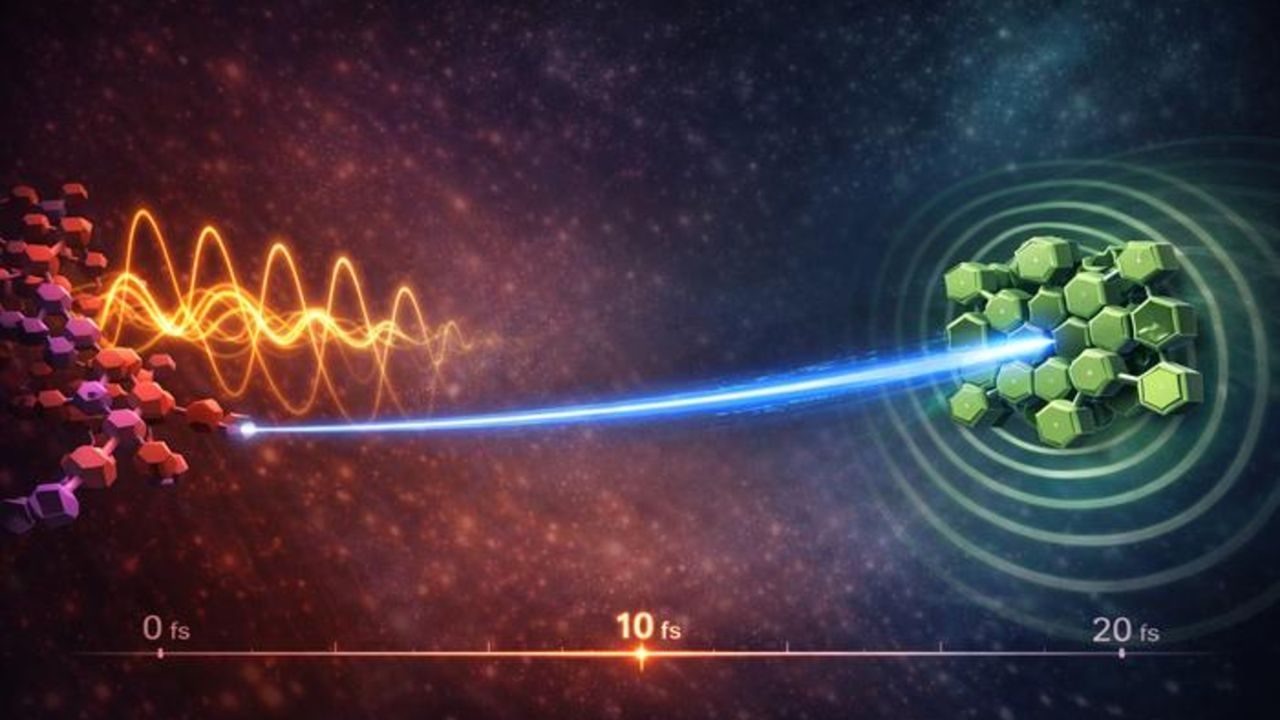
Electrons moving across a solar material in quadrillionths of a second — that is not a typo, and it is not science fiction. Researchers have discovered that molecular vibrations inside solar materials can essentially catapult electrons across those materials at speeds far beyond what scientists previously believed possible.
The finding, published March 5 in the journal Nature Communications, could reshape how engineers approach the design of solar energy systems — and potentially push the efficiency of solar power technology significantly higher.
For anyone who has ever wondered why solar panels still waste so much of the sunlight that hits them, this research points toward a surprising and fundamental answer hiding at the atomic level.
What Scientists Actually Discovered
The core finding is striking in its simplicity: vibrations inside solar materials can move electrons from one place to another with extraordinary speed. We are talking about timescales measured in quadrillionths of a second — also known as femtoseconds. That is one millionth of one billionth of a second.
To put that in perspective, a femtosecond is to one second what one second is to about 32 million years. Electrons, it turns out, do not leisurely drift through solar materials waiting to be harvested. Under the right conditions, they are launched.
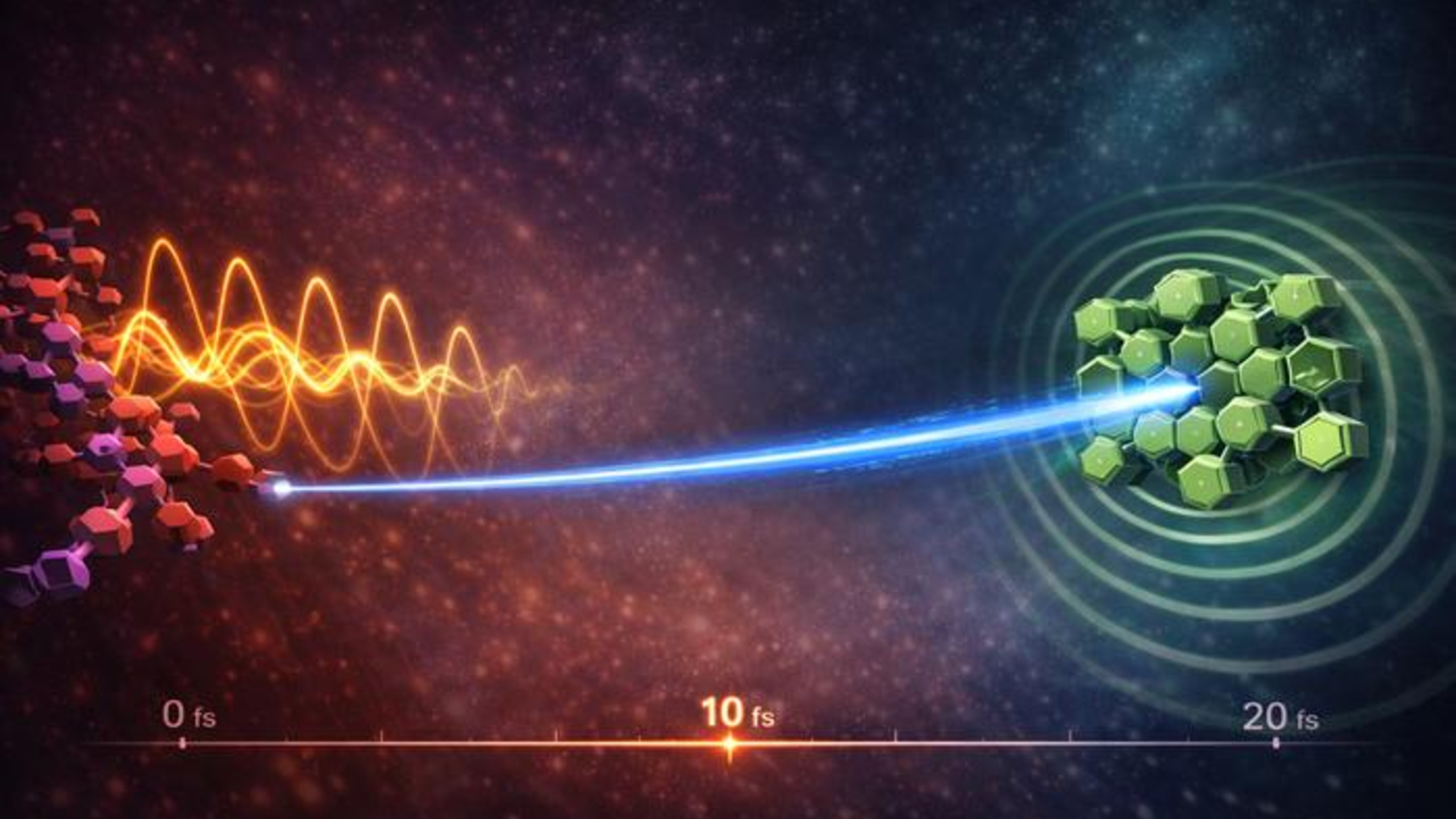
The study describes this process as a kind of catapult effect, where molecular vibrations — the constant, tiny oscillations of atoms within a material — provide the mechanical force that propels electrons across the material during what researchers call charge transfer.
“We’re effectively watching electrons migrate on the same clock as the atoms…”
That partial quote, drawn directly from the study’s reporting, captures something remarkable: scientists are now observing electron behavior at the same timescale as atomic motion itself. These two processes, once thought to operate on separate schedules, appear to be deeply linked.
Why the Speed of Electron Transfer Matters for Solar Energy
Solar panels work by absorbing light and using that energy to knock electrons loose, creating an electrical current. But the process is far from perfectly efficient. A significant portion of the energy absorbed by solar materials is lost before it can be converted into usable electricity.
One of the key reasons for that energy loss is what happens — or fails to happen — during charge transfer. When an electron is freed by incoming light, it needs to move quickly to be captured and converted into current. If it moves too slowly, it recombines with the material and the energy is lost as heat.
The discovery that molecular vibrations can accelerate electron movement to femtosecond timescales suggests there may be ways to engineer solar materials that take better advantage of this natural catapult effect — reducing energy loss and improving overall conversion efficiency.
According to the study, the findings could help scientists identify more efficient pathways for converting solar energy into electricity.
Key Facts From the Research
| Detail | What the Research Shows |
|---|---|
| Published | March 5, in Nature Communications |
| Core mechanism | Molecular vibrations catapult electrons across solar materials |
| Speed of charge transfer | Quadrillionths of a second (femtosecond timescale) |
| Why it matters | Faster than previously thought; could improve solar energy conversion |
| Material studied | Described as a solar material; specific composition not confirmed in available source |
- Charge transfer occurs on the same timescale as atomic vibrations within the material
- The process is significantly faster than prior scientific understanding suggested
- The research was published in a peer-reviewed journal, lending it scientific credibility
- The catapult analogy describes how vibrational energy is converted into electron momentum
What This Could Mean for Solar Technology
Solar energy is already the fastest-growing electricity source in the world, but its efficiency ceiling has long frustrated engineers. Most commercial solar panels convert somewhere between 15 and 22 percent of the sunlight they receive into electricity. The rest is lost.
Research like this matters because it reveals mechanisms operating at the most fundamental level of matter — the kind of knowledge that, historically, has led to genuine leaps in technology. Understanding exactly how and why electrons move so fast during charge transfer gives materials scientists a new target to aim for.
If solar materials can be designed or tuned to amplify this vibrational catapult effect, it could mean panels that lose less energy during the charge transfer step — one of the critical bottlenecks in the conversion process.
The researchers suggest the findings open new avenues for thinking about how solar materials are engineered, though the path from laboratory discovery to commercial application typically takes years of additional research and testing.
What Comes Next for This Research
The publication in Nature Communications marks the formal introduction of these findings to the broader scientific community. From here, other researchers will examine the methodology, attempt to replicate the results, and explore whether the same catapult effect appears in other types of solar materials.
The practical implications — better solar panels, more efficient energy harvesting — depend on how well this phenomenon can be understood, reproduced, and ultimately engineered at scale. That work is ongoing and the timeline for real-world application has not been confirmed.
What is confirmed is that scientists now have a clearer picture of something that was previously invisible: the extraordinary speed at which nature moves energy through matter, one vibrating atom at a time.
Frequently Asked Questions
What is the “electron catapult” effect?
It refers to the way molecular vibrations inside solar materials can propel electrons across those materials at extraordinary speeds — specifically in quadrillionths of a second.
When was this research published?
The study was published on March 5 in the peer-reviewed journal Nature Communications.
How fast does this electron transfer actually happen?
The charge transfer occurs on a femtosecond timescale — quadrillionths of a second — which is much faster than scientists previously believed possible.
Could this lead to better solar panels?
The researchers suggest the findings could help identify more efficient ways to convert solar energy into electricity, though specific applications and timelines have not yet been confirmed.
What causes the electrons to move so quickly?
According to the study, molecular vibrations — the constant tiny oscillations of atoms within the solar material — are responsible for facilitating this rapid charge transfer.
Has this been observed in all solar materials?




Leave a Reply