
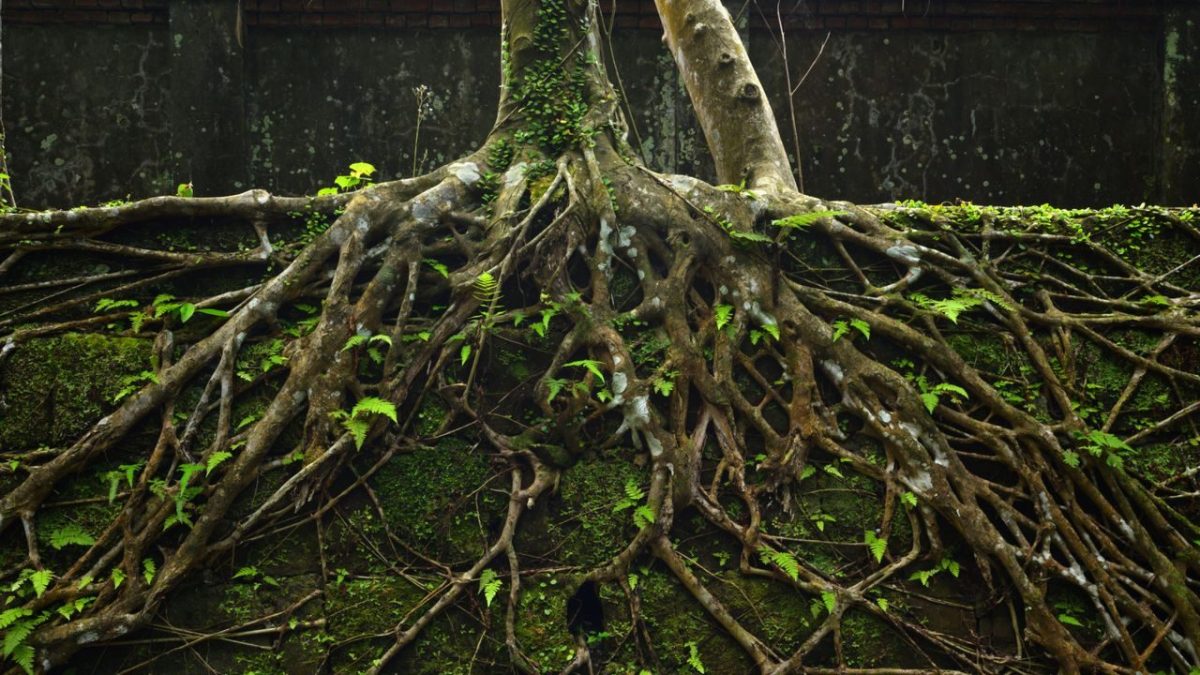
Around 500 million years ago, Earth was almost unrecognizable. No trees lined the horizon. No grass covered the ground. No flowers bloomed anywhere on the planet. The land was largely bare rock and dry soil — and nearly all life existed in the ocean.
Then, in one of the most consequential transitions in the history of life on Earth, plants made the leap from sea to land. What followed was nothing short of a planetary transformation — one that ultimately made complex life on land, including humans, possible.
Scientists who study Earth’s deep history describe this moment as a turning point that reshaped the atmosphere, the soil, the climate, and the very structure of the planet’s surface. Understanding how it happened — and why it mattered — is one of the most fascinating stories in all of natural science.
What Earth Looked Like Before Plants Moved Ashore
It’s easy to take the green world around us for granted. But for most of Earth’s history, the land was a hostile, barren place. There were no root systems to hold soil together, no leaf canopies to shade the ground, and no organic material building up over time to create the rich, layered soils we depend on today.
Life, in all its early complexity, was an ocean affair. Photosynthetic organisms thrived in the seas, producing oxygen and forming the base of aquatic food chains. The land, by contrast, was largely lifeless — exposed to harsh ultraviolet radiation, temperature extremes, and the constant threat of desiccation.
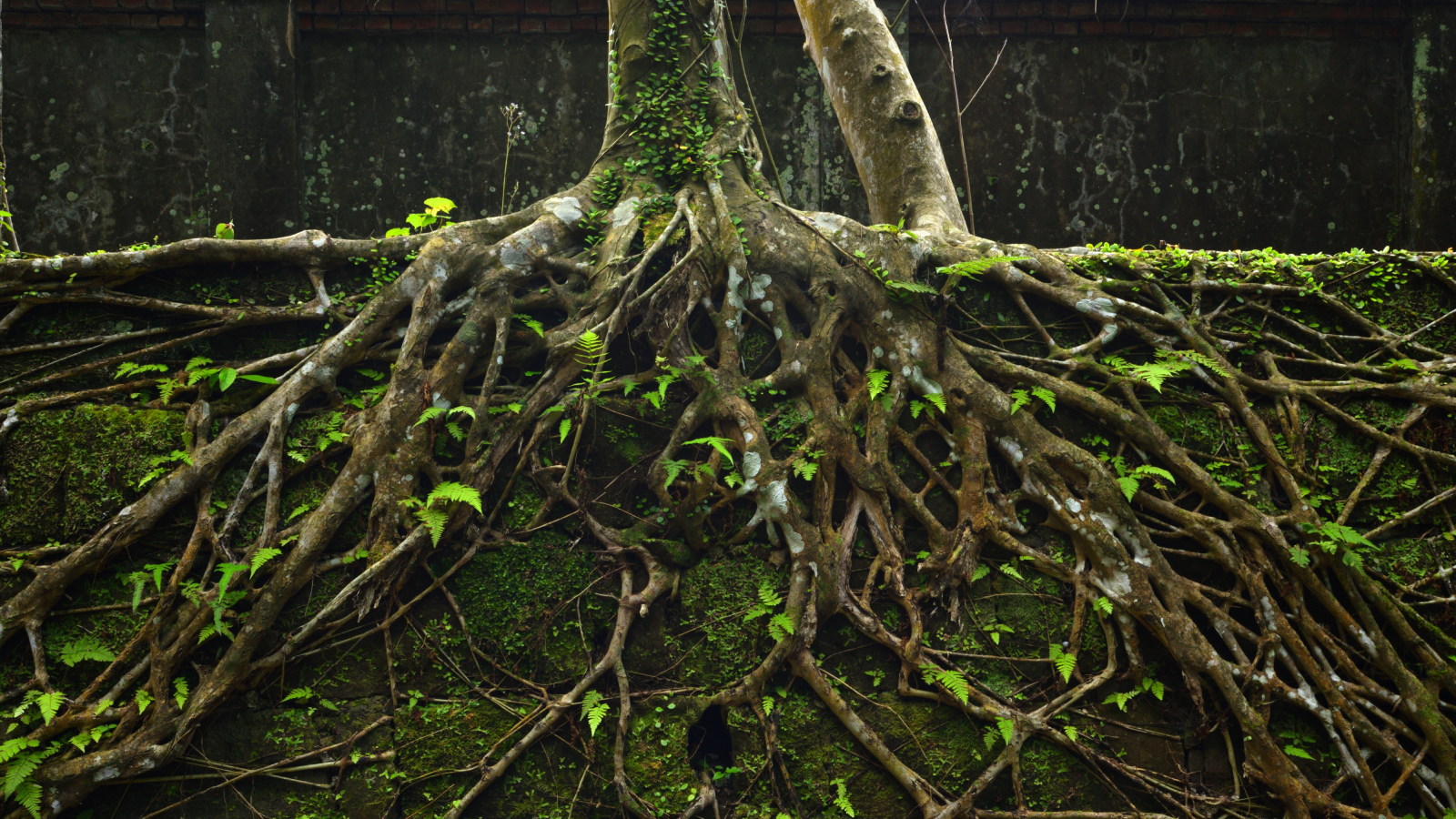
The transition that changed all of this didn’t happen overnight. It unfolded across millions of years, driven by gradual biological adaptations that allowed early plant ancestors to survive, and eventually thrive, outside the water.
How Plants Made the Move From Sea to Land
The ancestors of land plants are believed to have been aquatic algae — organisms already capable of photosynthesis but entirely dependent on water for reproduction and structural support. Moving onto land required solving a series of difficult biological problems all at once.
Plants needed ways to prevent themselves from drying out. They needed to transport water and nutrients internally without the surrounding ocean doing that work for them. They needed to anchor themselves to a surface that wasn’t going to wash away. And they needed to reproduce without being submerged in water.
Over vast stretches of geological time, early land plants developed the biological tools to do all of this. The earliest land plants are thought to have resembled modern mosses and liverworts — small, low-growing, and still closely tied to moist environments. But over time, more complex vascular plants evolved, capable of growing taller, spreading further, and surviving in drier conditions.
The Planetary Changes That Followed
Once plants gained a real foothold on land, the effects on Earth’s systems were profound and far-reaching. Geoscientists who study this period describe the transformation as one of the most significant in the planet’s 4.5-billion-year history.
The changes touched virtually every major Earth system:
- Atmosphere: As plants spread across the land, they pulled carbon dioxide out of the atmosphere through photosynthesis and released oxygen. Over millions of years, this contributed to a dramatic shift in atmospheric composition.
- Soil formation: Plant roots broke down rock and mixed organic material into the surface layer, creating true soil for the first time. Before land plants, nothing like modern soil existed on Earth.
- Climate: The drawdown of atmospheric carbon dioxide by land plants is thought to have contributed to significant global cooling events, including possible ice ages.
- Erosion and geology: Root systems stabilized land surfaces, changing the way rivers moved sediment and reshaping coastlines and floodplains over geological timescales.
- Food webs: The spread of plant life on land created entirely new ecosystems, providing the energy base that eventually supported insects, amphibians, reptiles, mammals, and ultimately humans.
A Timeline of the Transition
| Time Period | Key Development |
|---|---|
| ~500 million years ago | Earth’s land surface is largely bare rock and dry soil; life exists almost entirely in the oceans |
| ~500–470 million years ago | Early plant ancestors begin transitioning from aquatic environments to land |
| Following colonization | Plants begin transforming atmosphere, soil, and climate on a global scale |
| Long-term outcome | Land ecosystems develop; complex animal life on land becomes possible |
Why This Ancient Story Still Matters Today
The colonization of land by plants isn’t just a chapter in a geology textbook. It’s the reason the world we live in exists at all. Every breath of oxygen we take, every handful of soil a farmer turns over, every forest that regulates regional rainfall — all of it traces back to that ancient biological leap.
Researchers who study Earth’s deep past argue that understanding these transitions is also critical for understanding what happens when ecosystems are disrupted. The planet’s systems — atmosphere, soil, water cycle, climate — are deeply interconnected, and plants sit near the center of that web.
The story of how plants moved from sea to land is also a reminder of how slowly, and yet how completely, life can reshape a planet. What began as small, moisture-hugging organisms clinging to the edges of ancient shorelines eventually produced the oxygen-rich, soil-covered, ecologically complex world that made human civilization possible.
That’s a transformation worth understanding — and one that Earth scientists say still has lessons to teach about the fragility and resilience of life on this planet.
Frequently Asked Questions
When did plants first move from the sea to land?
Based on the geological record, this transition is believed to have begun around 500 million years ago, when Earth’s land surface was still largely bare rock and dry soil.
What did Earth look like before land plants existed?
Before plants colonized the land, Earth’s surface was mostly bare rock and dry soil with no trees, grass, or flowers — and nearly all life existed in the oceans.
How did the arrival of land plants change Earth’s atmosphere?
Land plants absorbed carbon dioxide through photosynthesis and released oxygen, contributing over millions of years to significant shifts in the composition of Earth’s atmosphere.
Why is the transition of plants to land considered so important?
Scientists and geoscientists describe it as one of the most important events in Earth’s history because it transformed the atmosphere, created soil, altered the climate, and ultimately made complex land-based life — including humans — possible.
What were the first land plants like?
Early land plants are thought to have resembled modern mosses and liverworts — small, low-growing organisms still closely tied to moist environments, very different from the trees and flowering plants that came much later.
Did land plants affect Earth’s climate?
Yes — the spread of land plants is thought to have contributed to global cooling over geological timescales, partly through the large-scale removal of carbon dioxide from the atmosphere.



Leave a Reply