
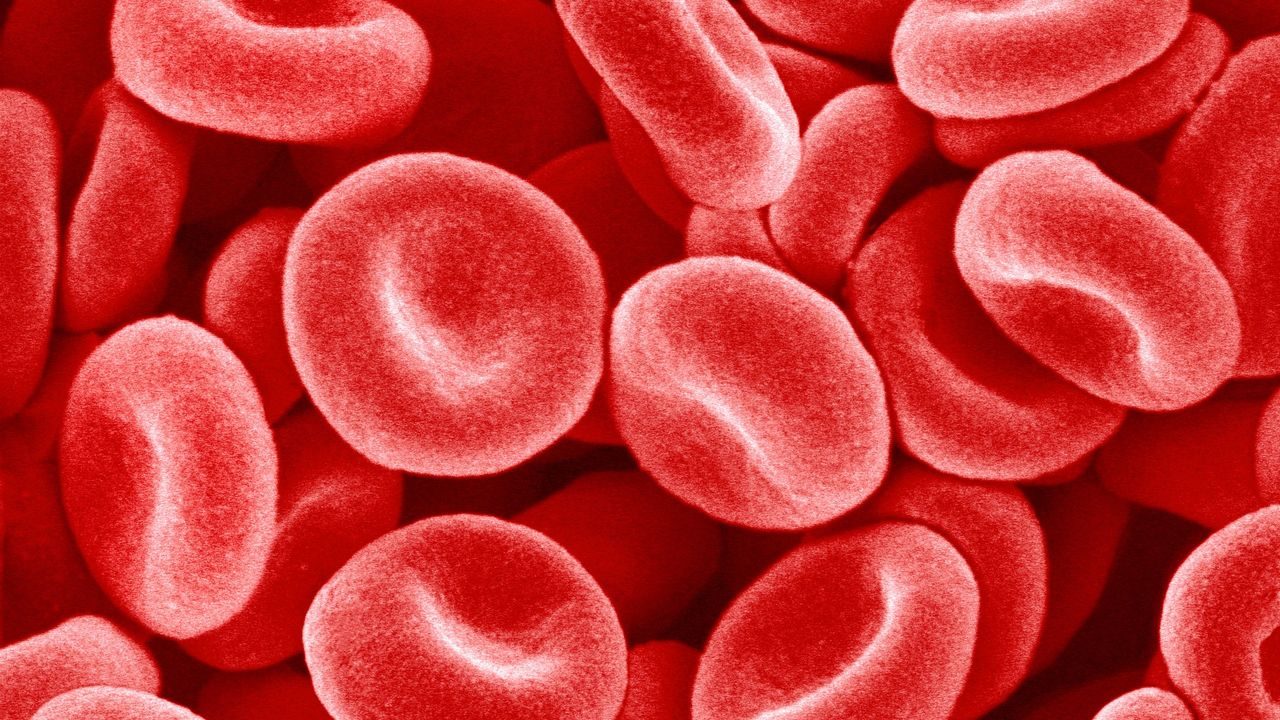
People living at high altitudes have measurably lower rates of diabetes — and for years, scientists couldn’t fully explain why. Now, new research conducted in mice may finally offer a biological answer, and it centers on one of the body’s most familiar workhorses: the red blood cell.
The finding is more surprising than it sounds. Red blood cells have long been understood as oxygen carriers. What researchers are now uncovering is that under low-oxygen conditions — exactly the kind found at high altitude — those same cells appear to take on an unexpected second role as glucose regulators. That shift in function could have significant implications for how we understand diabetes risk, and potentially how we approach its treatment.
It’s an early-stage discovery, and the research was conducted in mice rather than humans. But the mechanism being proposed is rooted in basic biology that applies across mammalian species, which is why scientists are paying close attention.
What Red Blood Cells Are Actually Doing at High Altitude
Here’s the core of what the new research suggests: red blood cells need glucose for their own metabolism. That part has been known for a long time. What’s newer is the understanding of what happens to that glucose demand when oxygen becomes scarce.
At high altitudes, the air contains less oxygen. The body responds in several ways — breathing faster, producing more red blood cells over time — but at the cellular level, something else appears to happen too. Red blood cells, operating in a low-oxygen environment, begin absorbing significantly more glucose from the bloodstream.
The reason, according to the research, is tied to oxygen delivery. When tissues aren’t getting enough oxygen, red blood cells appear to ramp up glucose consumption as part of the process of releasing oxygen more effectively into those oxygen-starved tissues. In other words, they use glucose as a kind of metabolic lever to push oxygen out where it’s needed most.
The downstream effect? Less glucose circulating in the blood. And lower blood glucose levels are directly associated with reduced diabetes risk.
Why This Matters for Diabetes Research
Type 2 diabetes, the most common form of the disease, is fundamentally a condition of blood sugar dysregulation. The body either doesn’t produce enough insulin or doesn’t respond to it properly, leaving glucose to accumulate in the bloodstream at dangerous levels over time.
Most diabetes research has focused on the pancreas, insulin sensitivity, diet, and lifestyle factors. The idea that red blood cells could be acting as a meaningful glucose buffer — and that this buffering capacity scales up under low-oxygen conditions — introduces a new variable into that picture.
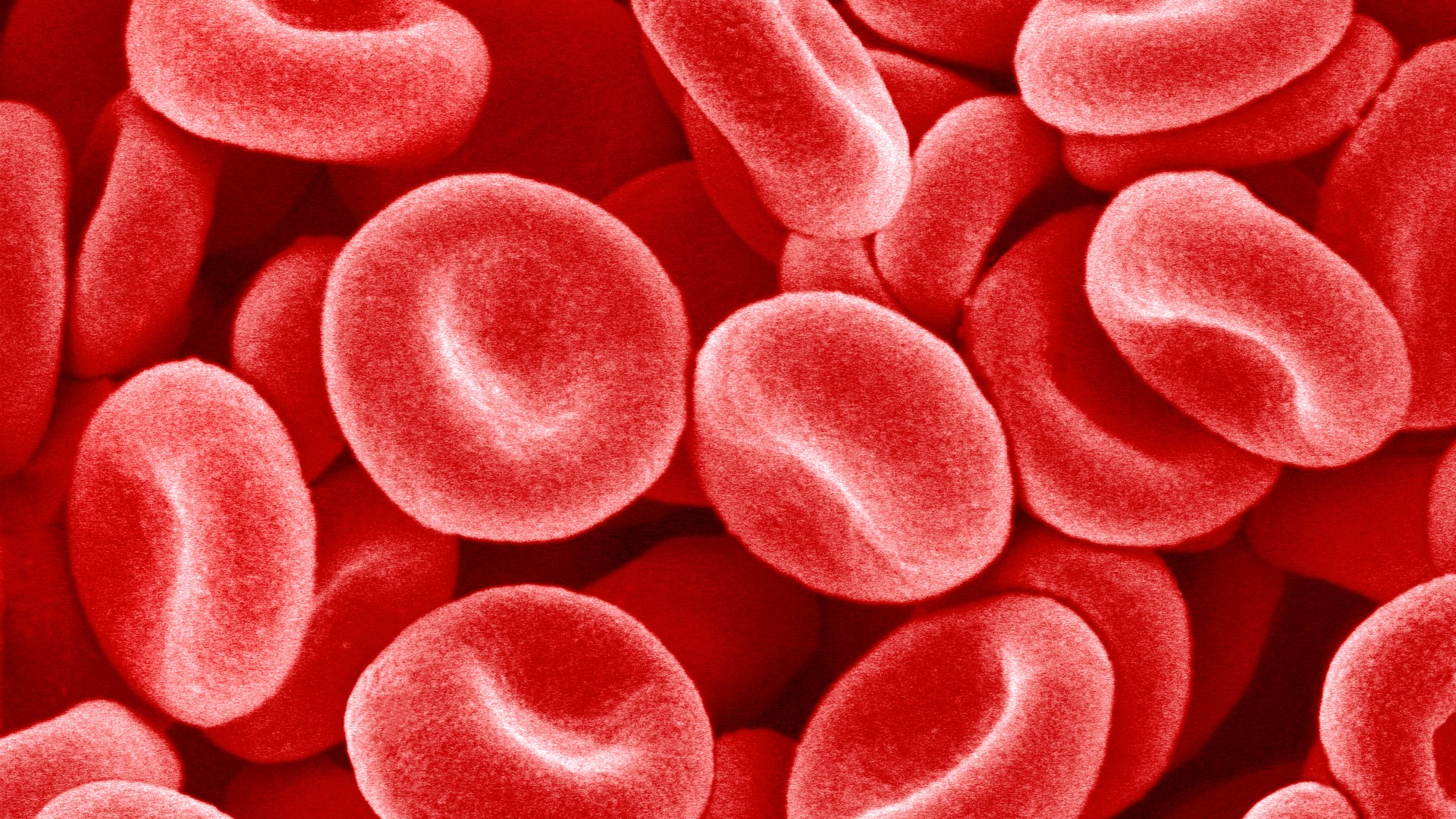
It also offers a plausible biological explanation for a geographic pattern that researchers have observed but struggled to account for: populations living at higher elevations consistently show lower rates of diabetes compared to those living closer to sea level.
The Key Mechanism — Broken Down Simply
| Environment | Oxygen Availability | Red Blood Cell Glucose Uptake | Blood Glucose Levels | Diabetes Risk |
|---|---|---|---|---|
| High Altitude | Lower | Higher | Lower | Reduced |
| Low Altitude (Sea Level) | Higher | Lower | Higher | Elevated (relatively) |
The chain of events, as the research frames it, works like this:
- Low oxygen levels at altitude create a scarcity signal in the body
- Red blood cells respond by absorbing more glucose to fuel their metabolic processes
- This increased glucose uptake helps red blood cells release oxygen more efficiently into tissues
- With more glucose being pulled into red blood cells, less remains in the general bloodstream
- Lower circulating blood glucose translates to reduced diabetes risk over time
It’s an elegant feedback loop — one that the body appears to run automatically in low-oxygen conditions, with blood sugar regulation as an unintended but beneficial side effect.
What This Could Mean for People Living at Sea Level
The obvious question this raises is whether the mechanism could somehow be replicated or triggered in people who don’t live at altitude. That’s not something the current research answers — the study was conducted in mice, and significant additional work would be needed before any clinical applications could be considered.
But the finding does open up a genuinely new avenue of investigation. If red blood cells can be shown to regulate blood glucose in this way, researchers may eventually explore whether there are ways to mimic or stimulate that response without requiring people to relocate to the mountains.
It also adds weight to the growing body of evidence suggesting that oxygen availability and metabolism are more tightly linked than previously appreciated. Some researchers have already been studying the effects of intermittent hypoxic training — controlled exposure to low-oxygen environments — for various health outcomes. This new finding could add diabetes prevention to that conversation, though much more evidence would be needed.
For now, the research is best understood as a significant clue rather than a solution. It explains a pattern that has puzzled scientists for years and points toward a biological mechanism worth investigating further. Whether that leads anywhere clinically useful remains to be seen.
What Researchers Will Be Watching Next
The immediate next steps in this line of research would typically involve confirming the mouse findings in human subjects — a process that can take years. Scientists would also want to understand how much glucose red blood cells actually absorb under various oxygen conditions, and whether the effect is large enough to meaningfully influence diabetes risk in real-world populations.
Researchers will also likely examine whether other factors common to high-altitude living — diet, physical activity levels, population genetics — might be contributing to lower diabetes rates independently of the red blood cell mechanism. Separating those variables is complex work.
What’s clear is that this research has shifted the conversation. Red blood cells are no longer just passive oxygen taxis. They may be active participants in how the body manages blood sugar — and understanding that role more fully could eventually change how diabetes is prevented or treated.
Frequently Asked Questions
Why do people at high altitudes have lower diabetes rates?
Research suggests that low-oxygen environments cause red blood cells to absorb more glucose from the bloodstream, which may reduce overall blood sugar levels and lower diabetes risk.
How do red blood cells regulate blood glucose?
In low-oxygen conditions, red blood cells increase their glucose uptake to help release oxygen more efficiently into tissues, which has the effect of reducing circulating blood sugar levels.
Was this study conducted in humans?
No — the new research was conducted in mice. Human studies would be needed before any clinical conclusions can be drawn.
Could people at sea level benefit from this discovery?
That has not yet been confirmed. Researchers would need to determine whether the red blood cell mechanism can be replicated outside of high-altitude conditions before any practical applications could be developed.
Does this change how diabetes should be treated?
Not yet. The finding is an early-stage discovery that opens new research directions, but it has not led to any changes in diabetes treatment or prevention guidelines.
Is altitude the only reason diabetes rates differ between populations?
Almost certainly not — diet, genetics, physical activity, and other lifestyle factors also play roles, and separating altitude’s specific contribution from those variables is an ongoing challenge for researchers.




Leave a Reply