
Elena Marchetti was carefully cataloging Renaissance manuscripts in the Florence State Archives when she stumbled upon something that made her nearly drop her white cotton gloves. Hidden between diplomatic letters and land deeds was a collection of handwritten recipes—but these weren’t for pasta or wine.
“I couldn’t believe what I was reading,” she whispered to her colleague. “These were instructions for… well, for faking virginity.” The recipes belonged to one of the most fascinating and formidable women of the Italian Renaissance: Caterina Sforza.
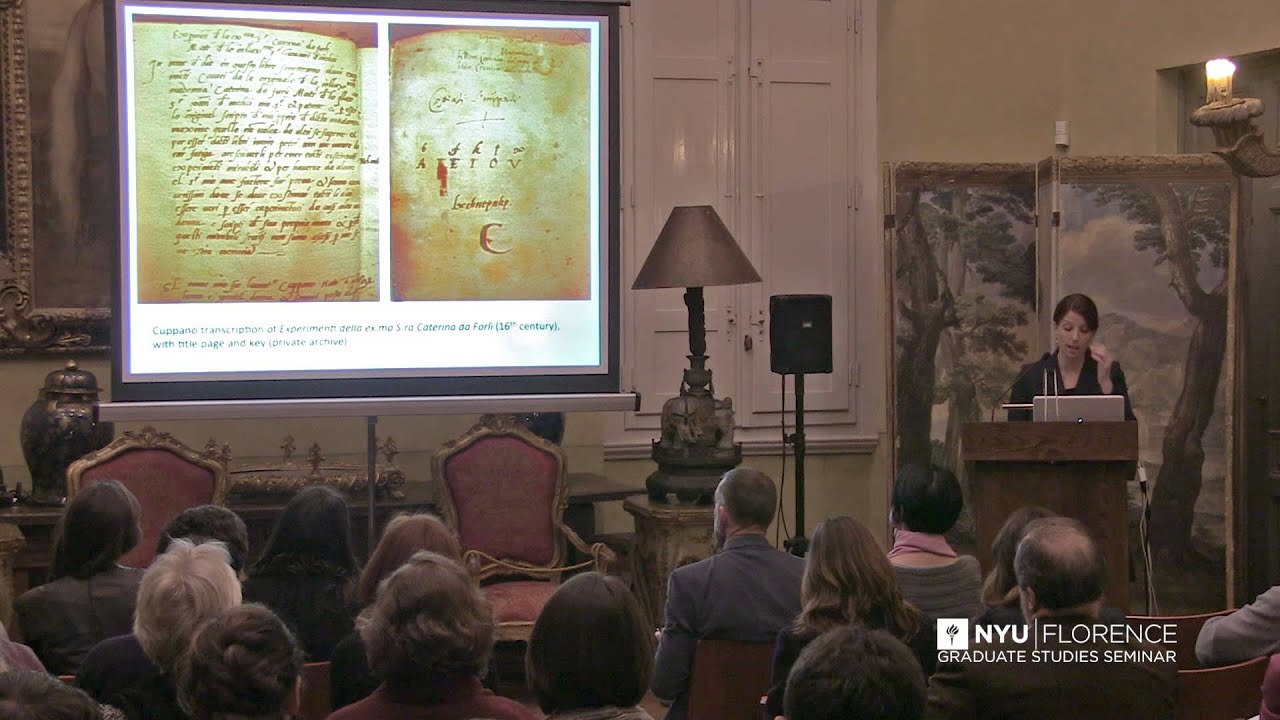
What Elena had discovered was part of a larger collection of remedies and alchemical recipes that reveal just how resourceful—and desperate—women had to be in a world where their worth was often measured by their sexual purity.
The Warrior Countess Who Collected Secrets
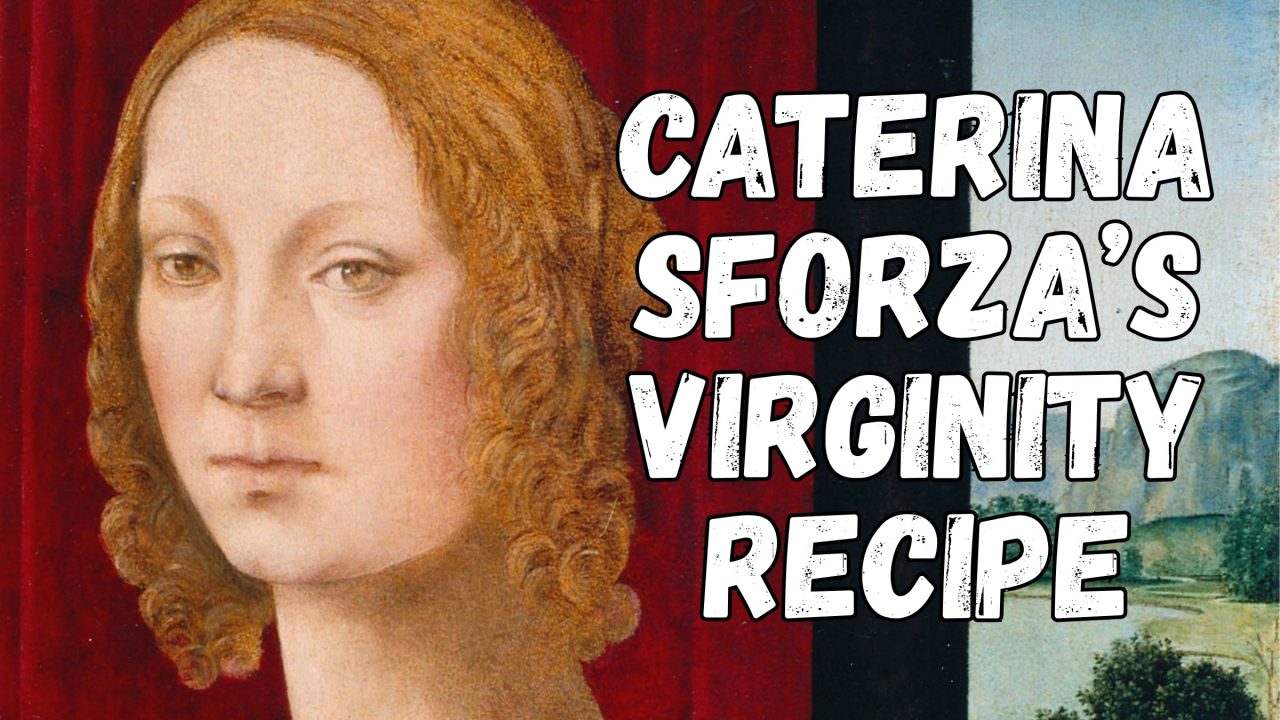
Caterina Sforza wasn’t your typical Renaissance lady. Known as the “Tiger of Forlì,” she defended her territories with sword in hand and allegedly lifted her skirts to enemy soldiers, declaring she could make more children if they killed hers. But beyond her reputation as a fierce warrior, Sforza was also a collector of knowledge—particularly the kind that could help women navigate the impossible standards of her era.
Her manuscript collection, known as the “Experimenti,” contains over 450 recipes covering everything from cosmetics to poisons to medical remedies. Among these are several recipes specifically designed to help women “restore” their virginity—a crucial deception in a world where a woman’s marriage prospects, social standing, and sometimes her very life depended on proof of sexual purity.
“Caterina understood that knowledge was power, especially for women who had so little control over their own bodies and destinies. These recipes were tools of survival.”
— Dr. Sarah Bradford, Renaissance Women’s History, University of Cambridge
The recipes reveal a sophisticated understanding of herbal medicine and chemistry. Sforza didn’t just collect these remedies—she likely tested and refined them, turning women’s desperate needs into a science of deception and healing.
The Science Behind Medieval Deception
Sforza’s virginity restoration recipes were surprisingly complex, involving multiple steps and carefully selected ingredients. Here are some of the key methods she documented:
| Method | Primary Ingredients | Purpose |
|---|---|---|
| Astringent Wash | Oak bark, rose petals, alum | Tighten vaginal walls |
| False Blood Preparation | Pigeon blood, red wine, cochineal | Simulate bleeding |
| Herbal Suppository | Dried herbs, wax, honey | Create temporary barrier |
| Muscle Tightening Potion | Ground pearls, egg whites, vinegar | Contract tissues |
- Physical manipulation: Using astringent herbs like oak bark and alum to temporarily tighten vaginal muscles
- Artificial bleeding: Concealing small bladders of animal blood or red-tinted liquids
- Temporary barriers: Creating false hymens using thin animal membranes or specially prepared wax
- Herbal treatments: Long-term regimens designed to restore elasticity and muscle tone
What’s remarkable is how these recipes demonstrate genuine medical knowledge. Many of the herbs Sforza recommended—like witch hazel and rose hips—are still used today for their astringent and healing properties.
“The level of anatomical understanding in these recipes is actually quite impressive. Sforza clearly consulted with physicians and herbalists who knew what they were doing.”
— Dr. Michael Rossi, Medical History Institute, Bologna
Some recipes even included detailed timing instructions, specifying exactly when treatments should be applied relative to a wedding night or physical examination.
Why Women Risked Everything for These Remedies
Understanding why women would risk using these potentially dangerous remedies requires grasping just how high the stakes were in Renaissance Italy. Virginity wasn’t just about morality—it was about economics, politics, and survival.
Failed virginity tests could result in:
- Canceled marriages and returned dowries
- Public shame and social exile
- Violence from family members
- Complete loss of marriage prospects
- In extreme cases, honor killings
For noble families like Sforza’s, a daughter’s virginity was literally a political asset. Marriage alliances could crumble over questions of sexual purity, potentially triggering wars or economic disasters.
“These women weren’t being vain or deceptive—they were fighting for their lives using the only weapons available to them: knowledge and chemistry.”
— Professor Anna Benedetti, Gender Studies, University of Milan
The recipes also reveal the dark reality that many women needed these remedies not because of consensual relationships, but because of rape or sexual assault. In a world that blamed women for their own victimization, these potions offered a chance to reclaim control.
Sforza herself likely understood this desperation intimately. As a widow who remarried and had multiple relationships, she would have faced constant scrutiny about her sexual behavior. Her collection of these recipes suggests she may have helped other women navigate similar challenges.
The Dangerous Chemistry of Desperation
While some of Sforza’s ingredients were relatively harmless, others posed serious health risks. Recipes calling for mercury, lead compounds, or caustic substances could cause permanent damage or death. The manuscript includes warnings about proper dosages and application methods, suggesting Sforza was aware of these dangers.
Some of the more extreme recipes involved:
- Caustic douches that could cause severe burns
- Mercury-based treatments linked to neurological damage
- Surgical procedures performed without anesthesia
- Toxic herbs that could cause organ failure
Despite these risks, women continued using such remedies for centuries. The desperation that drove them to try dangerous treatments speaks to just how impossible their situations had become.
“When the alternative is social death or actual death, even dangerous remedies start to look reasonable. These women were making calculated risks with limited options.”
— Dr. Patricia Hartwell, History of Medicine, Oxford University
Modern scholars studying Sforza’s recipes have found that some actually show remarkable sophistication. Her understanding of pH balance, tissue elasticity, and herbal chemistry was centuries ahead of its time.
Legacy of a Renaissance Rebel
Caterina Sforza’s collection of virginity restoration recipes offers us a window into the secret world of Renaissance women—their fears, their resourcefulness, and their quiet rebellion against impossible standards. These weren’t just medical recipes; they were acts of resistance against a system designed to control women’s bodies and choices.
Today, as debates about women’s bodily autonomy continue around the world, Sforza’s manuscripts remind us that women have always found ways to fight back. Her legacy lives on not just in her military victories, but in the knowledge she preserved and shared—knowledge that helped women survive in a world determined to crush them.
The recipes also highlight how little has changed in some ways. Women in many cultures still face virginity testing, honor-based violence, and impossible purity standards. Sforza’s solutions may seem primitive, but the problems she was addressing remain painfully relevant.
FAQs
Did these Renaissance virginity restoration methods actually work?
Some methods could create temporary physical changes, but true virginity restoration is medically impossible. The recipes relied more on deception than actual restoration.
How dangerous were Caterina Sforza’s recipes?
Many ingredients were relatively safe herbs, but some recipes included toxic substances like mercury or caustic chemicals that could cause serious harm or death.
Why did Caterina Sforza collect these recipes?
As a powerful woman who faced scrutiny about her own sexual behavior, she likely understood the desperate need for such knowledge and may have helped other women in similar situations.
Were virginity tests common in Renaissance Italy?
Yes, virginity examinations were routine before marriage, especially among noble families where political alliances depended on a bride’s “purity.”
How many recipes did Sforza’s collection contain?
Her “Experimenti” manuscript included over 450 recipes covering medicine, cosmetics, poisons, and various remedies, with several specifically addressing virginity restoration.
Do any cultures still practice virginity testing today?
Unfortunately, yes. Virginity testing still occurs in many parts of the world, despite being condemned by medical organizations as scientifically invalid and harmful to women.
Leave a Reply