
Decades of scientific progress brought the world to the edge of something remarkable — the genuine possibility of eliminating HIV. Then, in what researchers and public health advocates describe as a stunning reversal, much of that progress began to unravel.
The question now being asked openly in medical and policy circles is a difficult one: Is a resurgent HIV pandemic becoming inevitable? And increasingly, the answer depends less on science — which has never been more capable — and more on politics.
The source of that concern, according to reporting by Live Science, centers on the actions taken by Robert F. Kennedy Jr. since becoming Secretary of Health and Human Services (HHS). In a single year, critics argue, the damage done to the infrastructure built to fight HIV has been both sweeping and deep.
How Close the World Actually Got to Ending HIV
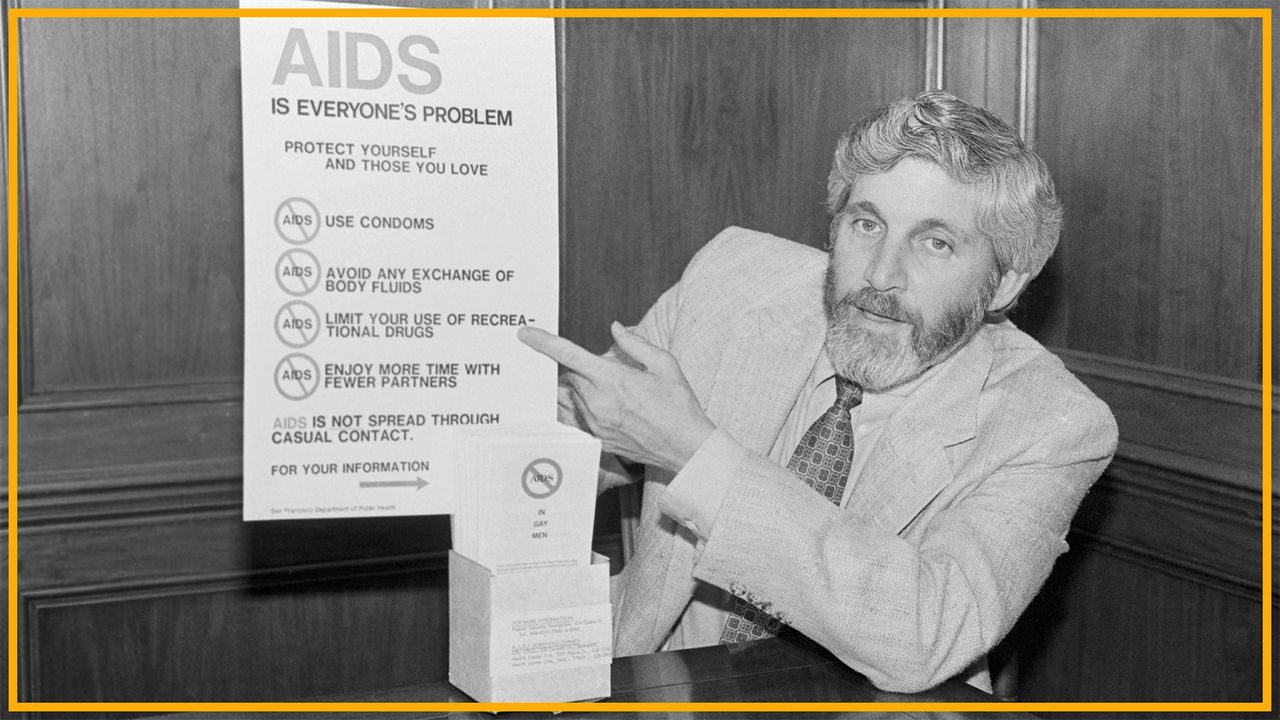
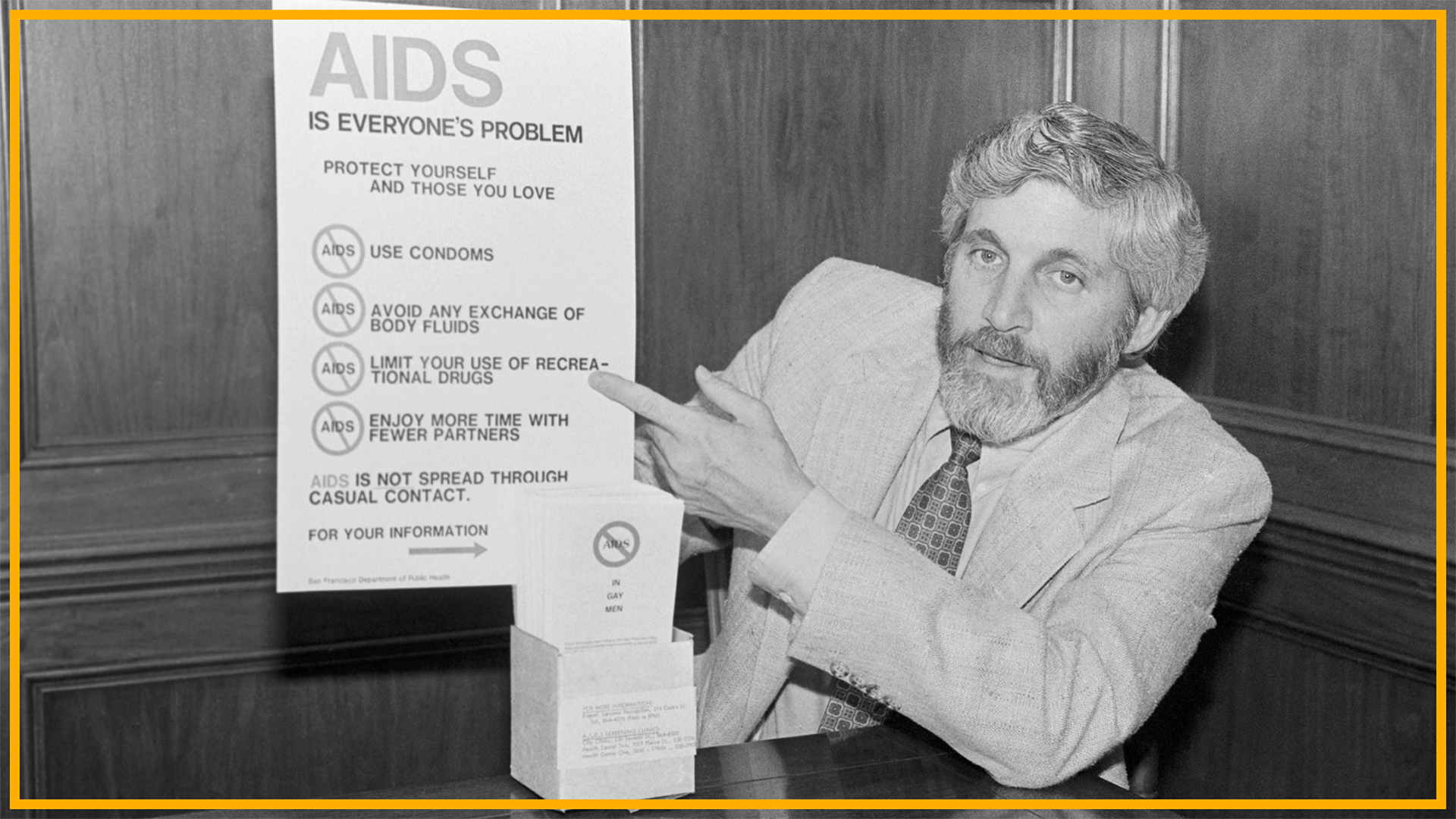
To understand what’s at stake, it helps to remember where things stood not long ago. Back in 1983, Dr. Mervyn F. Silverman, Director of Health for the City and County of San Francisco, was trying to educate a frightened public about how to reduce their risk of contracting AIDS — working with painfully limited information at a time when the disease was poorly understood and widely stigmatized.
That was the starting point. The distance traveled since then is extraordinary.
In the decades that followed, researchers developed antiretroviral treatments that transformed HIV from a death sentence into a manageable chronic condition. More significantly, studies eventually demonstrated that treatment could reduce HIV transmission to zero — a concept known as Undetectable = Untransmittable, or U=U. For the first time in the epidemic’s history, elimination of the disease seemed not just possible, but within reach.
That scientific achievement took generations of researchers, clinicians, advocates, and public health workers to build. It also took sustained institutional commitment — the kind that can be quietly dismantled faster than it was ever constructed.
What RFK Jr.’s HHS Has Done to HIV Programs
According to the Live Science report, Robert F. Kennedy Jr. has done “comprehensive damage” to the HIV response infrastructure during his tenure as HHS Secretary. The report describes the harm as extraordinary in both its scope and speed.
While Advocates and public health observers are describing something far more fundamental — a dismantling of the systems that made the goal of HIV elimination credible in the first place.
The HIV response in the United States depends on a web of interconnected programs: prevention initiatives, treatment access, surveillance systems, research funding, and community outreach. When any significant part of that web is damaged, the effects don’t stay contained. They spread.
Why This Moment Is Different From Past Setbacks
The HIV epidemic has faced political headwinds before. The early years of the crisis were marked by government inaction and public indifference that cost countless lives. Progress was hard-won precisely because it required overcoming those obstacles.
What makes the current moment feel different to many in the public health community is the nature of the threat. This isn’t neglect born of ignorance or stigma — the science is settled, the tools exist, and the path to elimination was mapped. What’s being described now is active institutional disruption at the federal level, led by the very department responsible for protecting public health.
The concern is that the damage may not be immediately visible. HIV programs don’t collapse overnight. Prevention networks thin out. Funding gaps widen. Community organizations lose capacity. People fall out of care. And transmission — which had been driven down by years of coordinated effort — begins to climb again.
| Era | Key Development | Impact on HIV Outlook |
|---|---|---|
| 1983 | Dr. Mervyn F. Silverman leads public education efforts in San Francisco | Early harm reduction with limited scientific knowledge |
| Post-1990s | Antiretroviral treatments developed and scaled | HIV transformed from fatal to manageable condition |
| Recent decades | Studies confirm treatment reduces transmission to zero (U=U) | Elimination of HIV becomes a realistic public health goal |
| Present day | RFK Jr. leads HHS; critics describe comprehensive damage to HIV programs | Concern that elimination progress is being reversed |
Who Bears the Real Cost of Policy Failures
Abstract policy debates have concrete human consequences. The populations most affected by HIV — including communities of color, LGBTQ+ individuals, people who inject drugs, and low-income Americans — are the same communities that depend most heavily on the federal programs now reportedly under threat.
When prevention infrastructure weakens, the people least able to absorb that loss are the first to feel it. When treatment access narrows, the gap between those who can manage their HIV privately and those who cannot grows wider. The epidemic has always tracked inequality — and a weakened federal response tends to deepen that inequality rather than reduce it.
Public health advocates argue that the damage being done now will take years to fully measure, and potentially decades to repair. The concern isn’t only about what is being cut today — it’s about what won’t be built tomorrow.
What Comes Next for the HIV Response
What it does make clear is that the trajectory, as of now, is headed in the wrong direction.
The scientific tools to end the HIV epidemic still exist. The knowledge is there. The treatments work. What remains uncertain is whether the political will and institutional infrastructure to deploy those tools will survive the current period of federal disruption — and what the human cost will be if they don’t.
For now, public health advocates are sounding an alarm. Whether that alarm gets answered is a question that goes well beyond medicine.
Frequently Asked Questions
Is an HIV pandemic actually coming?
Public health advocates and researchers are warning that the dismantling of federal HIV programs under the current HHS leadership could reverse decades of progress and allow transmission rates to rise again.
Who is Robert F. Kennedy Jr. and what is his role here?
Robert F. Kennedy Jr. is the Secretary of Health and Human Services (HHS). According to the Live Science report, his actions in that role have caused significant damage to the HIV response infrastructure in the United States.
Did scientists actually get close to eliminating HIV?
Yes. Studies showed that HIV treatments can reduce transmission to zero, making elimination of the disease a realistic public health goal — a milestone that took decades of research and investment to reach.
Who was Dr. Mervyn F. Silverman?
Dr. Mervyn F. Silverman was the Director of Health for the City and County of San Francisco. In 1983, he led early public education efforts to help people reduce their risk of contracting AIDS, working with the limited scientific knowledge available at the time.
What does “Undetectable = Untransmittable” mean?
It refers to the scientific finding that people living with HIV who maintain an undetectable viral load through treatment cannot sexually transmit the virus to others — a breakthrough that made elimination seem achievable.
Unearthed: RFK Jr. pushed HIV/AIDS denialism, attributing AIDS not to HIV, but to a “gay lifestyle” and recreational drugs:
“There were people that were part of a gay lifestyle, they were burning the candle at both ends, …there were poppers on sale everywhere at the gay bars.” pic.twitter.com/BK2WXxjyg8
— PatriotTakes 🇺🇸 (@patriottakes) June 20, 2023
Can the damage to HIV programs be reversed?
Advocates warn that the harm being done now could take years or decades to fully repair, even if political conditions change.




Leave a Reply