
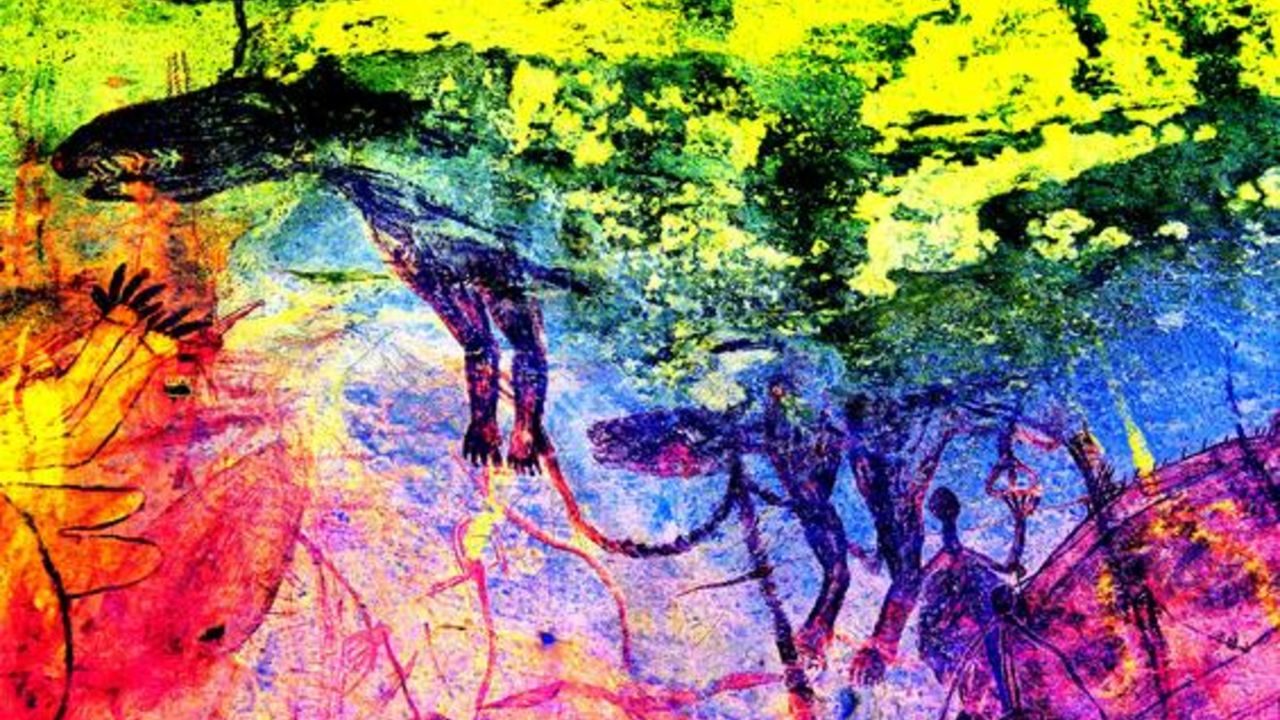
Fourteen newly documented rock-art images of the thylacine — the animal the world came to know as the Tasmanian tiger — have been found in Australia, and they may quietly rewrite what scientists thought they knew about when this extraordinary marsupial disappeared from the mainland.
Archaeologists studying Indigenous rock art in Australia have confirmed the discovery of these ancient drawings, which depict both Tasmanian tigers and Tasmanian devils. The findings, detailed in a new study, raise a striking possibility: that the Tasmanian tiger survived on the Australian mainland for far longer than the scientific record previously suggested.
For anyone who has followed the strange, sad story of the thylacine — a striped, dog-like carnivore that was hunted to extinction in the 20th century — this discovery carries real weight. It connects living Indigenous cultural traditions to an animal that most of the world had already written off as a distant memory of prehistoric Australia.
What the Rock Art Actually Shows
The drawings depict the thylacine, known scientifically as Thylacinus cynocephalus, a carnivorous marsupial that was once one of the most distinctive predators in the region. The animal is recognizable by its striped back, stiff tail, and unusually wide jaw — features that made it unlike almost anything else in the natural world.
Researchers used computer software to enhance the features of the rock-art images, making the depictions clearer and easier to analyze. The images were documented as part of a broader survey of Indigenous rock art in Australia, and their identification as thylacines — rather than other animals — adds a significant new data point to the ongoing scientific conversation about the species’ history on the mainland.
Tasmanian devils were also depicted in the same rock art, which adds further credibility to the findings. Like the thylacine, the Tasmanian devil eventually disappeared from the Australian mainland, surviving only in Tasmania — the island state from which both animals take their popular names.
Why This Changes the Timeline Scientists Believed
The conventional scientific understanding has long held that the Tasmanian tiger vanished from mainland Australia thousands of years ago, long before recorded European history in the region. The presence of thylacine imagery in Indigenous rock art challenges that assumption in an important way.
Rock art does not appear in a vacuum. Indigenous peoples painted and carved images of animals they observed, knew, and lived alongside. The existence of detailed thylacine imagery suggests that at least some communities had direct, living experience with the animal — not merely inherited stories about a creature from the distant past.
If the rock art is relatively recent in archaeological terms, it could push the estimated date of the thylacine’s mainland extinction forward by a significant margin. Researchers note that the findings suggest these marsupials may have lived on the Australian mainland until much more recently than previously thought.
This matters not just as a historical footnote. It reshapes our understanding of how human activity, environmental change, and animal survival intersected across tens of thousands of years of Australian prehistory.
Key Facts About the Thylacine Discovery
| Detail | What Is Known |
|---|---|
| Number of new thylacine images documented | Around 14 |
| Scientific name of the thylacine | Thylacinus cynocephalus |
| Other animals depicted in the same rock art | Tasmanian devils |
| Method used to clarify images | Computer software enhancement |
| Key implication of the discovery | Thylacines may have survived on mainland Australia much longer than previously believed |
| Image credit for documented art | Craig Banggar |
- The thylacine was a carnivorous marsupial — not a dog or wolf, despite its appearance
- Both the thylacine and Tasmanian devil disappeared from mainland Australia but survived in Tasmania
- The last known living thylacine died in captivity in 1936
- Indigenous rock art in Australia represents one of the longest continuous artistic traditions on Earth
What This Means for Our Understanding of Indigenous Knowledge
There is a broader lesson embedded in this discovery that goes beyond paleontology. Indigenous rock art has often been treated by Western science as symbolic or ceremonial in nature — culturally rich, but not necessarily a reliable source of ecological or biological data.
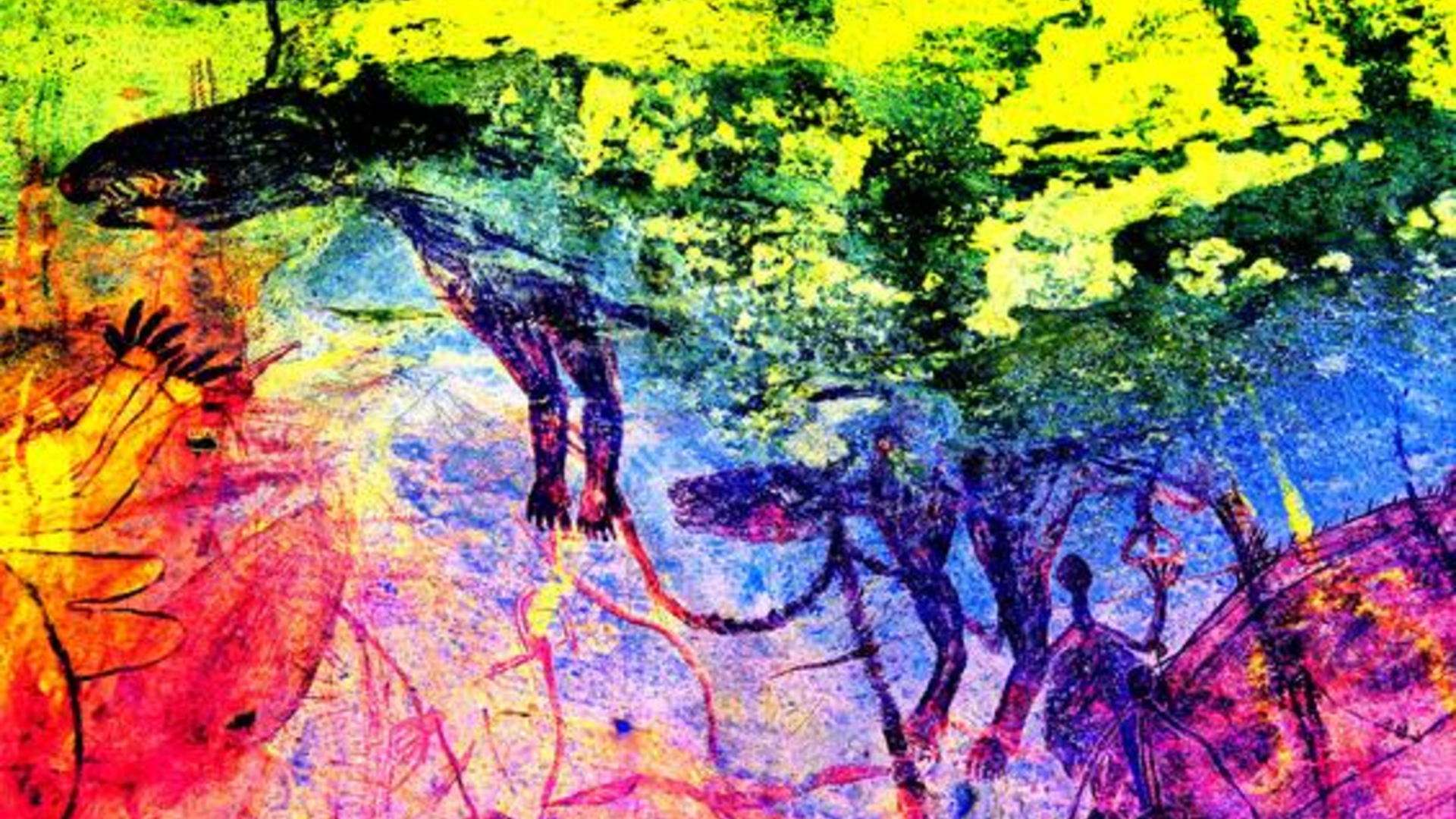
This study pushes back against that assumption. The detailed, identifiable depictions of specific animal species — animals that were eventually lost from the mainland — suggest that Indigenous rock art may hold far more scientific information than researchers have historically credited it with.
Researchers argue that these images represent a form of living ecological record, one that preserves observations of fauna across timescales that written records simply cannot match. That reframing could have lasting consequences for how scientists approach rock art in future studies, not just in Australia but around the world.
What Researchers Are Looking at Next
The documentation of these 14 images is likely just the beginning. Australia contains vast, still-unsurveyed regions of Indigenous rock art, and researchers suggest that additional thylacine depictions may yet be discovered as survey work continues.
The more pressing scientific question now is dating. Establishing when these images were created — with as much precision as modern techniques allow — will be critical to determining exactly how far back the thylacine’s mainland presence extended, and how dramatically the accepted timeline needs to shift.
The study also adds fresh urgency to broader efforts to document and preserve Indigenous rock art sites across Australia, many of which face ongoing threats from erosion, vandalism, and development. Every image that goes unrecorded is a potential piece of scientific and cultural history that is lost permanently.
Frequently Asked Questions
How many Tasmanian tiger images were found in the rock art?
Researchers documented around 14 new rock-art drawings of the thylacine as part of the study.
What is the scientific name of the Tasmanian tiger?
The Tasmanian tiger’s scientific name is Thylacinus cynocephalus, and it was a carnivorous marsupial.
What other animals were depicted alongside the thylacine in the rock art?
Tasmanian devils were also depicted in the same Indigenous rock art discovered by researchers.
How did researchers make the rock-art images clearer?
The team used computer software to enhance the features of the rock-art images, making the thylacine depictions easier to identify and analyze.
When did the Tasmanian tiger go extinct on the Australian mainland?
The precise timeline is what this study calls into question — researchers suggest the thylacine may have survived on the mainland until much more recently than previously thought, though exact dates have not yet been confirmed by this research.
Is the Tasmanian tiger the same as the Tasmanian devil?
No — they are two distinct species. Both are marsupials native to Australia, and both were depicted in the rock art, but the thylacine (Tasmanian tiger) is now extinct while the Tasmanian devil still survives in Tasmania.

Leave a Reply