
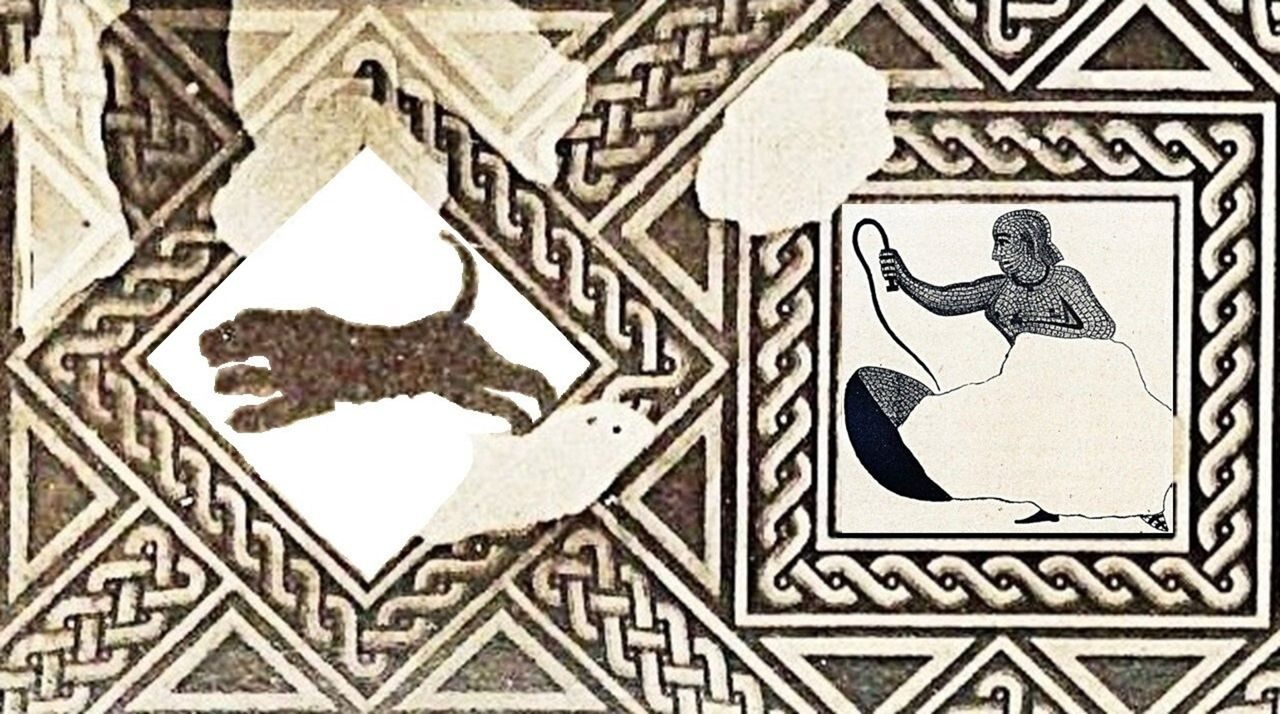
For the first time in recorded history, archaeologists have identified a visual depiction of a Roman woman fighting a wild beast in an arena — and the image is as striking as it sounds. A recently analyzed mosaic shows a topless woman locked in combat with a leopard, offering what researchers describe as the first known visual evidence that women participated in beast-fighting spectacles in ancient Rome.
The study, published on March 22 in The International Journal of the History of Sport, confirms something that ancient written sources had long suggested but never proven with imagery: that women, not just men, faced wild animals in the Roman arena.
The mosaic itself has an unusual history. It was first discovered in 1860 by Jean Charles Loriquet, who documented it in a detailed drawing. That drawing — showing the leopard and the female beast hunter — has now become central to the study’s findings, credited to researcher Alfonso Mañas.
What the Mosaic Actually Shows
The image depicts a woman, shown topless, engaged in what appears to be an active confrontation with a leopard inside what researchers interpret as an arena setting. The figure is not a bystander or a victim — she is portrayed as a combatant.
Women who fought beasts in the Roman arena had a specific designation. According to the study, they were known as beast hunters, a role that, in Latin terminology, would fall under the broader category of arena performers who engaged wild animals rather than human opponents.
While this may sound extraordinary to modern audiences, ancient Roman texts had already hinted that this practice existed. The mosaic now provides the physical, visual proof that those texts were describing something real — not myth, not exaggeration.
Why This Discovery Matters So Much
The gap between written record and visual evidence is one of archaeology’s most persistent frustrations. Texts can be misread, mistranslated, or dismissed as rhetorical flourish. Physical artifacts don’t carry the same ambiguity.
Before this study, historians studying women in Roman arena culture had only literary references to work with. That left significant room for skepticism — were these accounts accurate? Were the women described as fighters actually participants, or were they victims, performers in a theatrical sense, or simply the product of sensationalized storytelling?
This mosaic closes that debate, at least in part. A visual record, created by Roman craftspeople, depicting a woman in active combat with a leopard, is a fundamentally different category of evidence than a passage in an ancient text.
The study’s publication in a peer-reviewed academic journal also signals that this identification has passed rigorous scrutiny — it is not a casual attribution or a speculative reading of an ambiguous image.
Key Facts About the Roman Mosaic and Its History
- The mosaic was first discovered in 1860 by researcher Jean Charles Loriquet
- Loriquet documented the mosaic through a detailed drawing after its discovery
- The drawing shows a female figure and a leopard in what is interpreted as an arena scene
- The woman in the image is depicted topless and in a combat posture
- The study identifying this as beast-hunting evidence was published on March 22
- It appeared in The International Journal of the History of Sport
- Researcher Alfonso Mañas is credited in connection with the study’s imagery
- Women who fought beasts in Roman arenas were categorized as beast hunters
| Detail | Information |
|---|---|
| Mosaic discovery date | 1860 |
| Discovered by | Jean Charles Loriquet |
| Animal depicted | Leopard |
| Subject of mosaic | Topless woman in arena combat |
| Study published | March 22 |
| Journal | The International Journal of the History of Sport |
| Researcher associated with imagery | Alfonso Mañas |
| Type of evidence | First known visual depiction of female beast hunter |
What This Tells Us About Women in the Roman Arena
Roman arena culture is one of the most documented and debated aspects of ancient civilization, but women’s roles within it have historically received far less attention than those of male gladiators. This discovery reframes that picture in a meaningful way.
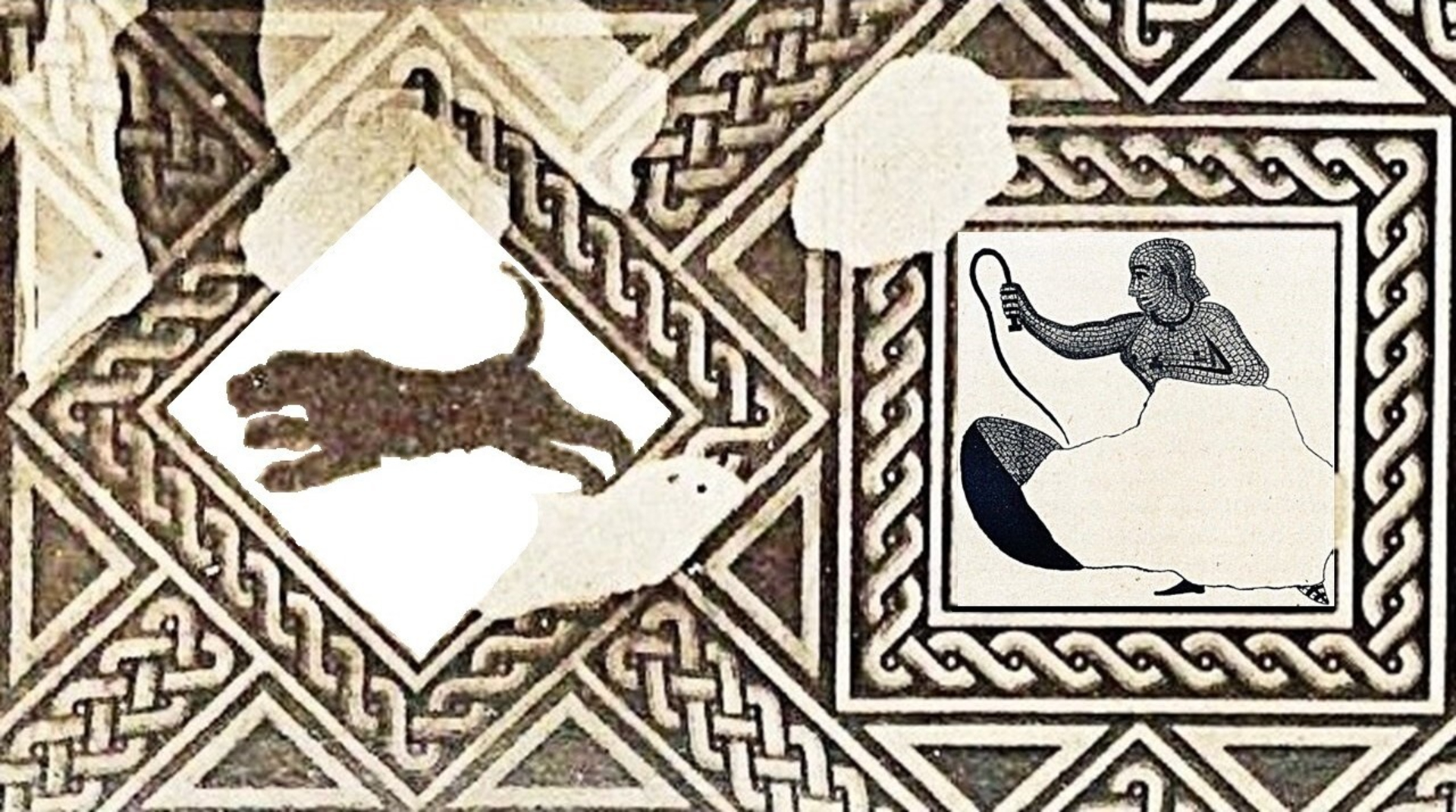
The existence of female beast hunters — women who entered the arena to fight wild animals — suggests that the spectacle of Roman arena entertainment was broader and more complex than the standard gladiatorial narrative implies. These were not passive figures. They were trained, or at minimum willing, combatants facing genuinely dangerous animals.
Scholars have long used ancient texts to argue for this reality, but visual culture carries a different kind of cultural weight. Mosaics were decorative commissions — they reflected what Roman patrons found worth commemorating, celebrating, or displaying in their homes and public spaces. The fact that a female beast hunter was considered mosaic-worthy speaks to how her role was perceived: not as shameful or hidden, but as something noteworthy enough to render in permanent art.
What Researchers and Historians Will Be Watching Next
This finding is likely to prompt renewed examination of other Roman mosaics and artifacts that may have been misidentified or overlooked. Now that researchers have a confirmed visual template for what a female beast hunter looks like in Roman art, similar depictions in other collections could be reinterpreted.
The study also opens questions about how widespread this practice was, which regions of the Roman Empire hosted female beast hunters, and what social or legal status these women held. Those questions remain open — the mosaic confirms that female beast hunters existed visually, but the broader social history will require further research.
For now, a drawing made in 1860 by a man who stumbled across a crumbling mosaic has turned out to be one of the most significant pieces of evidence in the study of women in ancient Roman sport.
Frequently Asked Questions
What does the Roman mosaic show?
The mosaic depicts a topless woman engaged in combat with a leopard, interpreted by researchers as taking place inside a Roman arena.
Who discovered the mosaic and when?
The mosaic was first discovered in 1860 by Jean Charles Loriquet, who documented it through a detailed drawing.
What were female beast hunters called in ancient Rome?
According to the study, women who fought beasts in Roman arenas were known as beast hunters, a recognized category of arena performer.
Is this the first visual evidence of women fighting beasts in the Roman arena?
Yes. According to the study published in The International Journal of the History of Sport, this is the first known visual evidence that women participated in beast-fighting spectacles in ancient Rome.
Where was the study published?
The study was published on March 22 in The International Journal of the History of Sport.
Did ancient texts mention female beast hunters before this discovery?
Yes. Ancient written sources had previously referenced women battling beasts in Roman arenas, but this mosaic represents the first visual confirmation of that practice.




Leave a Reply