
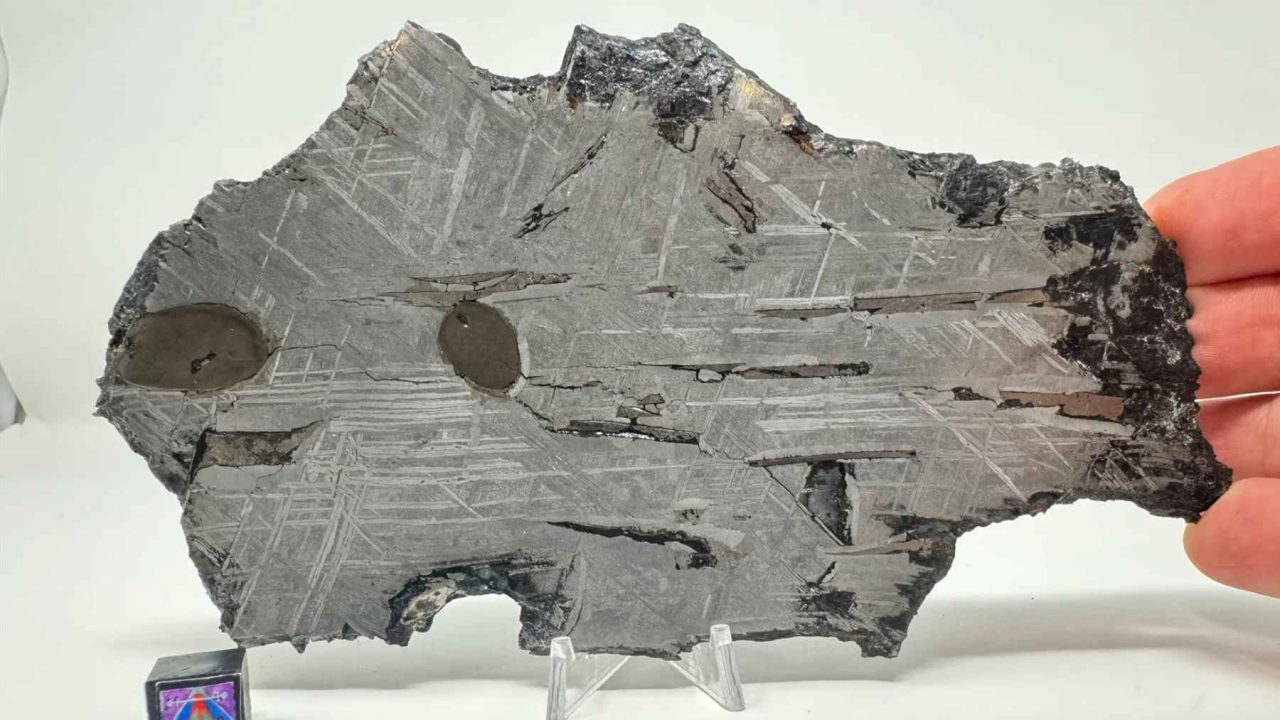
A 2.8-ton rock was packed into a wooden crate, labeled as a garden sculpture, and loaded onto a ship heading to the United Kingdom. What customs officers in Saint Petersburg actually found inside was something far more extraordinary — and far more valuable.
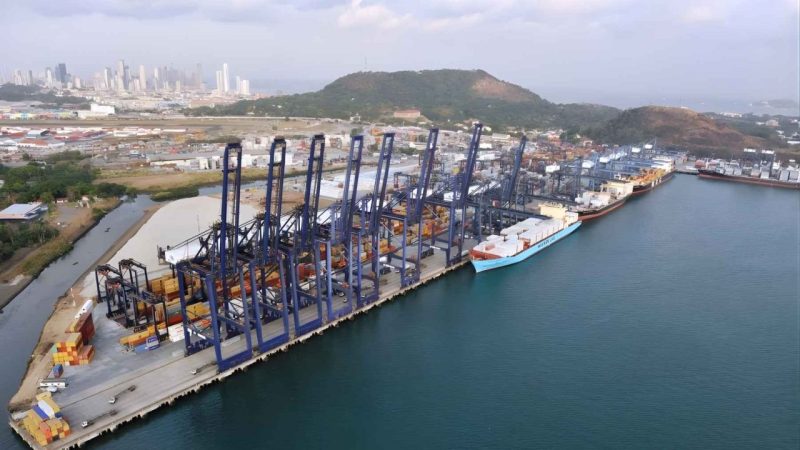
Russian federal customs officials say they intercepted a massive fragment of the Aletai meteorite at the Baltic Sea port of Saint Petersburg on February 5, 2026. The chunk of ancient space rock, believed to be part of one of the largest iron meteorites ever discovered on Earth, was estimated to be worth around 323 million rubles — approximately $4.2 million — based on its rarity and scientific significance.
Prosecutors have since opened a criminal case. This wasn’t just a customs paperwork violation. Russian authorities are treating it as an attempt to smuggle a strategic natural resource out of the country.
How Smugglers Tried to Move $4.2 Million Worth of Space Rock
The scheme was straightforward in concept, if audacious in execution. The shipping documents declared the contents of the crate as a garden sculpture — the kind of decorative stone object that moves through international freight without raising many eyebrows.
But during routine checks, inspectors noticed the paperwork didn’t match what they were seeing on their scanning equipment. The declared origin and value of the object didn’t line up with what the scanners suggested was actually inside the container. That discrepancy was enough to trigger a closer inspection.
When customs agents pried open the wooden box, they didn’t find a decorative garden piece. Video released by Russian media showed a large, gray, jagged rock — described as looking more like a broken cliff face than anything you’d place in a backyard. Forensic analysis later confirmed what the scanners had hinted at: this was a meteorite fragment, not garden decor.
According to the Federal Customs Service of Russia, the shipment was bound for a buyer in Britain. The identity of the buyer and the individuals behind the smuggling attempt have not been publicly confirmed in available reporting.
What the Aletai Meteorite Actually Is
The Aletai meteorite — also known as the Armanty meteorite — is one of the largest iron meteorites ever recorded on Earth. It was discovered in the Xinjiang region, and fragments of it have long been of intense interest to scientists, collectors, and, apparently, smugglers.
Iron meteorites like Aletai are formed from the cores of ancient asteroids. They’re composed primarily of iron and nickel, and they carry within them a record of the early solar system that no rock formed on Earth can replicate. That scientific value, combined with their sheer rarity, makes large fragments extraordinarily expensive on the private market.
A 2.8-ton piece isn’t just scientifically significant — it’s the kind of specimen that institutions and wealthy private collectors compete fiercely to acquire.
Key Facts at a Glance
| Detail | Confirmed Information |
|---|---|
| Meteorite fragment weight | 2.8 tons |
| Estimated value (rubles) | 323 million rubles |
| Estimated value (USD) | Approximately $4.2 million |
| Interception location | Port of Saint Petersburg, Baltic Sea |
| Date of interception | February 5, 2026 |
| Declared shipment contents | Garden sculpture |
| Declared destination | United Kingdom |
| Legal classification by prosecutors | Strategic natural resource smuggling |
- The fragment is believed to be part of one of the largest iron meteorites ever found on Earth
- The Federal Customs Service of Russia confirmed the interception
- Prosecutors opened a criminal case following the seizure
- Customs officers were alerted when shipping documents failed to match scanner data
- Russian media video footage showed agents opening the crate and revealing the rock
Why Russia Classifies This as More Than a Customs Violation
The decision to treat this as a strategic natural resource smuggling case — rather than a simple misdeclaration on a shipping form — reflects how seriously Russian authorities view the export of scientifically significant materials without authorization.
Strategic natural resources carry a different legal weight in Russian law than ordinary goods. Attempting to move them out of the country without proper documentation and approval isn’t treated as an administrative infraction. It’s a criminal matter, and the penalties are considerably more severe.
For context, meteorite fragments of this size and confirmed origin don’t simply belong to whoever happens to possess them. Their removal from the country — particularly when disguised and misdeclared — represents both a financial loss and a loss of scientific heritage that Russian authorities appear determined to prevent.
Officials have noted that the combination of falsified documents and the sheer scale of the fragment made this case particularly egregious. The attempt wasn’t subtle. Hiding a nearly three-ton rock inside a crate labeled as garden decor requires significant logistical effort — and a reasonable assumption that no one would look too closely.
What Happens Now That the Fragment Has Been Seized
With a criminal case now open, the investigation will focus on identifying and prosecuting those responsible for attempting to export the meteorite fragment illegally. The fragment itself has been seized by Russian authorities.
What ultimately happens to the rock — whether it ends up in a scientific institution, a state collection, or remains in legal limbo while the case proceeds — has not been confirmed in available reporting. Criminal cases of this nature in Russia can take considerable time to move through the legal system.
What is clear is that the interception drew significant attention both domestically and internationally. The combination of a priceless space rock, an audacious disguise, and a destination in Britain made it the kind of story that travels far beyond the customs beat.
For anyone who assumed meteorite smuggling was the stuff of science fiction, this case is a reminder that the trade in rare space materials is very real — and, apparently, very lucrative.
Frequently Asked Questions
What is the Aletai meteorite?
The Aletai meteorite is believed to be one of the largest iron meteorites ever found on Earth, composed primarily of iron and nickel and originating from the core of an ancient asteroid.
How much was the intercepted fragment worth?
Russian officials estimated the 2.8-ton fragment at approximately 323 million rubles, or roughly $4.2 million, based on its rarity and scientific value.
Where was the meteorite fragment intercepted?
It was seized at the Baltic Sea port of Saint Petersburg on February 5, 2026, inside a shipping container declared as containing a garden sculpture.
Where was the shipment headed?
According to the Federal Customs Service of Russia, the crate was declared as bound for a buyer in the United Kingdom.
What charges are being pursued?
Prosecutors opened a criminal case treating the shipment as an attempt to smuggle a strategic natural resource out of Russia, which carries more serious legal consequences than a standard customs violation.
How did customs officers catch the smugglers?
Inspectors noticed that the shipping documents about the rock’s origin and value did not match the data from their scanning equipment, which prompted a physical inspection of the crate.



Leave a Reply