
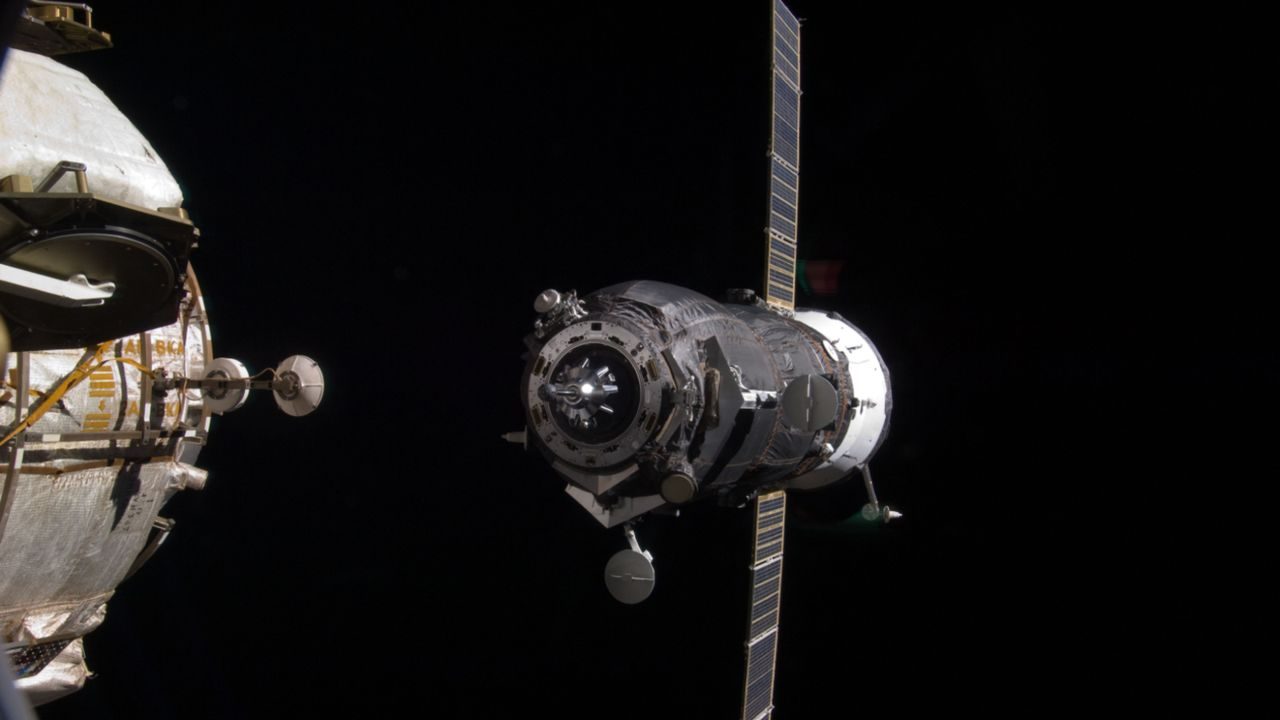
A Russian cargo spacecraft bound for the International Space Station has developed a significant antenna malfunction mid-flight, forcing mission controllers to abandon the vehicle’s planned autonomous docking and potentially hand control to a cosmonaut aboard the ISS instead. NASA has confirmed the glitch, describing it as serious enough to change how the mission will proceed.
The uncrewed Progress spacecraft — Russia’s workhorse cargo vehicle for the ISS — was already en route to the station when the problem emerged. What was supposed to be a routine, automated rendezvous has now become anything but.
Following launch, one of the Progress spacecraft’s antennas used for automatic docking did not deploy as planned. All other systems are operating as designed, and Progress will continue toward its planned docking at 9:34 a.m. EDT on Tuesday, March 22. Troubleshooting will… pic.twitter.com/VoR2yiAWfC
— NASA (@NASA) March 22, 2026
For a program that has operated reliably for decades, the failure is a reminder that even well-tested space hardware can encounter unexpected problems at the worst possible moment — hundreds of miles above Earth, with no easy way to fix it.
What Went Wrong With the Russian Progress Spacecraft
According to NASA, the Progress cargo vehicle suffered what officials described as a significant “glitch” after launch. The nature of the problem involves the spacecraft’s antenna system, which plays a critical role in the automated docking process.
Without a functioning antenna system operating correctly, the spacecraft can no longer complete an autonomous docking with the ISS. That automated capability is normally how Progress vehicles link up with the station — the spacecraft uses onboard systems and ground-based guidance to navigate itself to the correct docking port without requiring hands-on human intervention from orbit.
When that system fails, the mission doesn’t simply abort. Instead, the backup plan involves a cosmonaut aboard the ISS taking manual control of the stricken vehicle remotely, effectively piloting it to dock from inside the station. It’s a contingency that exists precisely because space hardware can and does fail — but it’s not the preferred outcome.
The Backup Plan: A Cosmonaut Takes Remote Control
The fallback option being considered is a procedure where a Russian cosmonaut uses a backup control system to manually guide the Progress spacecraft to dock with the ISS. This kind of remote-piloting capability has been built into the Russian segment of the ISS program as a safety net for situations exactly like this one.
It’s a high-stakes task. The cosmonaut would essentially be guiding a cargo-laden spacecraft through a precise docking maneuver using remote controls, with limited margin for error. The ISS orbits at roughly 250 miles above Earth at speeds exceeding 17,000 miles per hour, meaning timing and precision are everything.
While the procedure is a known and trained-for contingency, it adds complexity and risk to what would otherwise have been a straightforward resupply mission.
Why the Progress Mission Matters to the Space Station
Russia’s Progress spacecraft have been the backbone of ISS cargo logistics since the station’s earliest days. These uncrewed vehicles have been ferrying vital supplies — food, water, fuel, scientific equipment, and other essentials — to the ISS throughout the entirety of the station’s operational history.
The station cannot sustain its crew without regular resupply missions. While NASA and its commercial partners, including SpaceX, also deliver cargo, the Russian Progress vehicles remain a critical piece of the supply chain. A failed docking wouldn’t just mean a delayed delivery — it could mean supplies the crew is counting on don’t arrive on schedule.
| Spacecraft | Type | Primary Role | Docking Method (Normal) | Backup Method |
|---|---|---|---|---|
| Russian Progress | Uncrewed cargo vehicle | Resupply ISS with food, water, fuel, equipment | Autonomous automated docking | Manual remote control by cosmonaut |
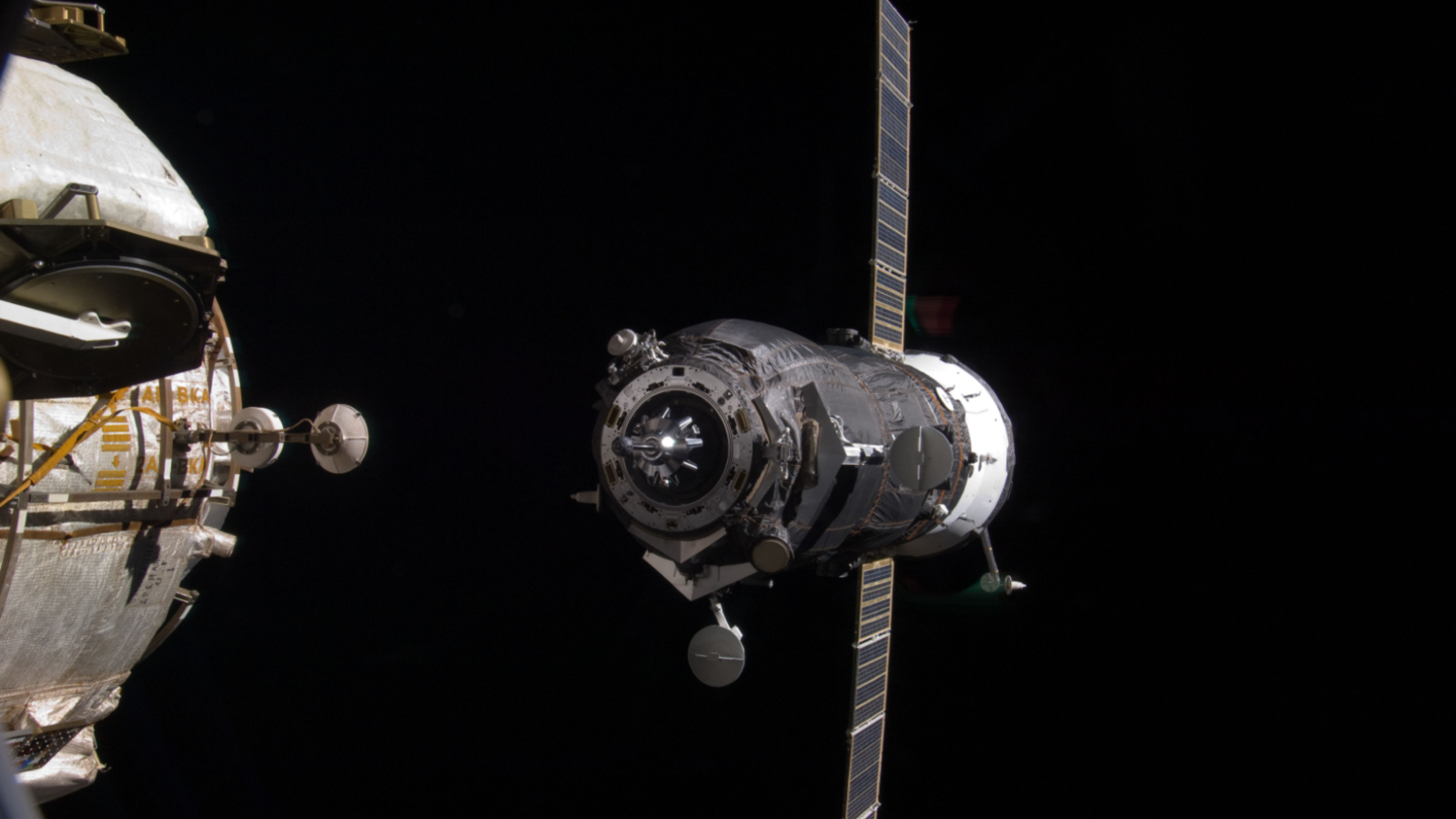
The Progress program has a long and largely successful track record. Photos from as far back as 2011 show Progress vehicles docking smoothly with the ISS, a routine that has played out dozens of times over the years. That reliability is part of what makes this antenna failure noteworthy — it’s an unusual disruption to a well-worn process.
The Stakes for the Crew Currently Aboard the ISS
For the astronauts and cosmonauts currently living and working on the ISS, this situation is being closely monitored. The cargo aboard the Progress spacecraft — while not yet confirmed in full detail from available reporting — represents supplies the crew depends on.
Beyond the immediate supply question, the manual docking scenario places additional demands on the cosmonauts aboard the station. Remote-piloting a spacecraft to dock is not a casual task. It requires focus, skill, and precise execution under conditions that leave very little room for error.
The broader concern is what this kind of malfunction signals about the health of Russian space hardware. While a single antenna glitch doesn’t necessarily point to systemic problems, it does put the spotlight on the reliability of systems that the ISS program depends on to function safely.
What Happens Next for the Stricken Cargo Ship
Based on what NASA has confirmed, the immediate next step involves assessing whether the cosmonaut-controlled backup docking plan will be executed. Mission controllers on the ground — both at NASA and on the Russian side — will be working through the options carefully before any final decision is made.
The outcome will depend on the specific state of the antenna malfunction and whether any partial recovery is possible before docking is attempted. If the backup plan proceeds, a trained cosmonaut will take remote control of the spacecraft and manually guide it to the station.
The ISS program has faced and overcome technical challenges throughout its more than two decades of continuous human habitation. This latest incident adds another chapter to that history — one that underscores both the risks of operating in space and the layers of contingency planning that keep the station running when things go wrong.
Frequently Asked Questions
What happened to the Russian Progress spacecraft?
An uncrewed Russian Progress cargo spacecraft experienced a significant antenna glitch after launch while en route to the ISS, preventing it from completing its planned autonomous docking with the station.
What is the backup plan if the spacecraft can’t dock automatically?
NASA has warned that a cosmonaut may need to use a backup system to manually remote-control the stricken spacecraft and dock it with the ISS.
What does the Progress spacecraft carry to the ISS?
Russia’s Progress vehicles carry vital supplies to the ISS, including food, water, fuel, and equipment. They have been used for resupply missions throughout the entire history of the space station.
Has a cosmonaut ever had to manually dock a Progress spacecraft before?
The manual remote-control backup procedure is a known contingency built into the Russian segment of the ISS program, though
Is the ISS crew in immediate danger?
NASA has not indicated the crew is in immediate danger, but the situation is being closely monitored as mission controllers determine how to proceed with the docking.
How long have Progress spacecraft been used for ISS resupply?
Russia’s Progress spacecraft have been ferrying cargo to the ISS throughout the entirety of the station’s operational history, with documented missions going back at least to 2011 and earlier.


Leave a Reply