
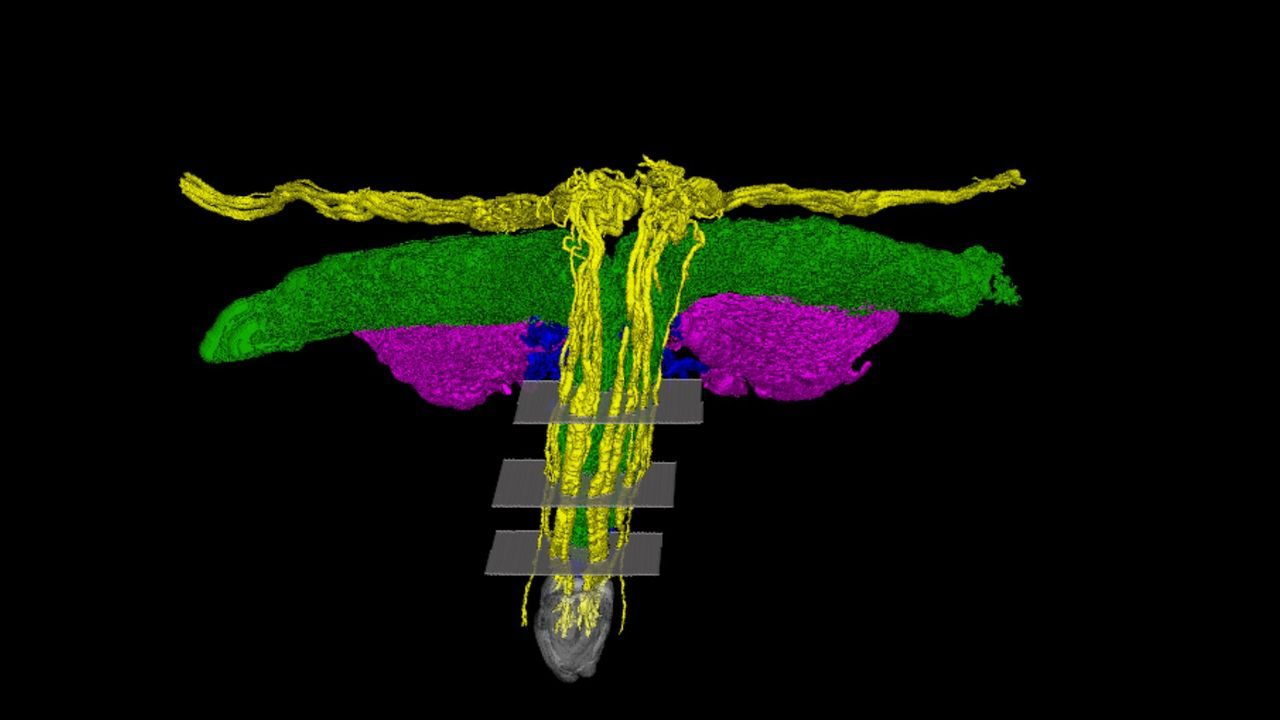
One of the most sensitive structures in the human body has, until now, never been fully mapped. New research has produced the first complete nerve map of the clitoris — a milestone that scientists and medical professionals say is long overdue, and one that could have meaningful consequences for surgery, sexual health, and our basic understanding of human anatomy.
The clitoris is widely recognized as the primary source of female sexual pleasure, yet it has spent centuries on the margins of medical research. Historical taboo, cultural stigma, and the genuine technical difficulty of dissecting its delicate nerve tissue all contributed to a knowledge gap that persisted well into the modern era. That gap is now, at least in part, beginning to close.
The new research, published with imagery credited to Ju Young Lee and colleagues, offers an unprecedented look at the organ’s neural architecture — including a detailed view of the dorsal nerve, the main sensory nerve of the clitoris.
Why the Clitoris Has Been So Understudied
The history here matters. A 16th-century anatomist once described the clitoris as the “shameful member” — a label that captures the attitude that shaped centuries of medical literature. When an organ gets that kind of reception from the people who are supposed to study it, the research tends to stall.
And it did. For hundreds of years, the clitoris received far less scientific attention than comparable structures in male anatomy. Even as medical imaging and dissection techniques advanced dramatically across the 20th century, the clitoris remained poorly understood in terms of its full internal structure and nerve distribution.
Part of the problem is also practical. Clitoral nerve tissue is notoriously difficult to dissect and map. The structures are small, delicate, and embedded within surrounding tissue in ways that make isolation and imaging technically challenging. That combination of cultural dismissal and technical difficulty created a situation where one of the body’s most nerve-dense organs was essentially a blank space on the anatomical map.
What the New Nerve Mapping Actually Shows
The new research changes that. For the first time, scientists have mapped the full nerve distribution of the clitoris, giving medical science a complete picture of how this organ is wired.
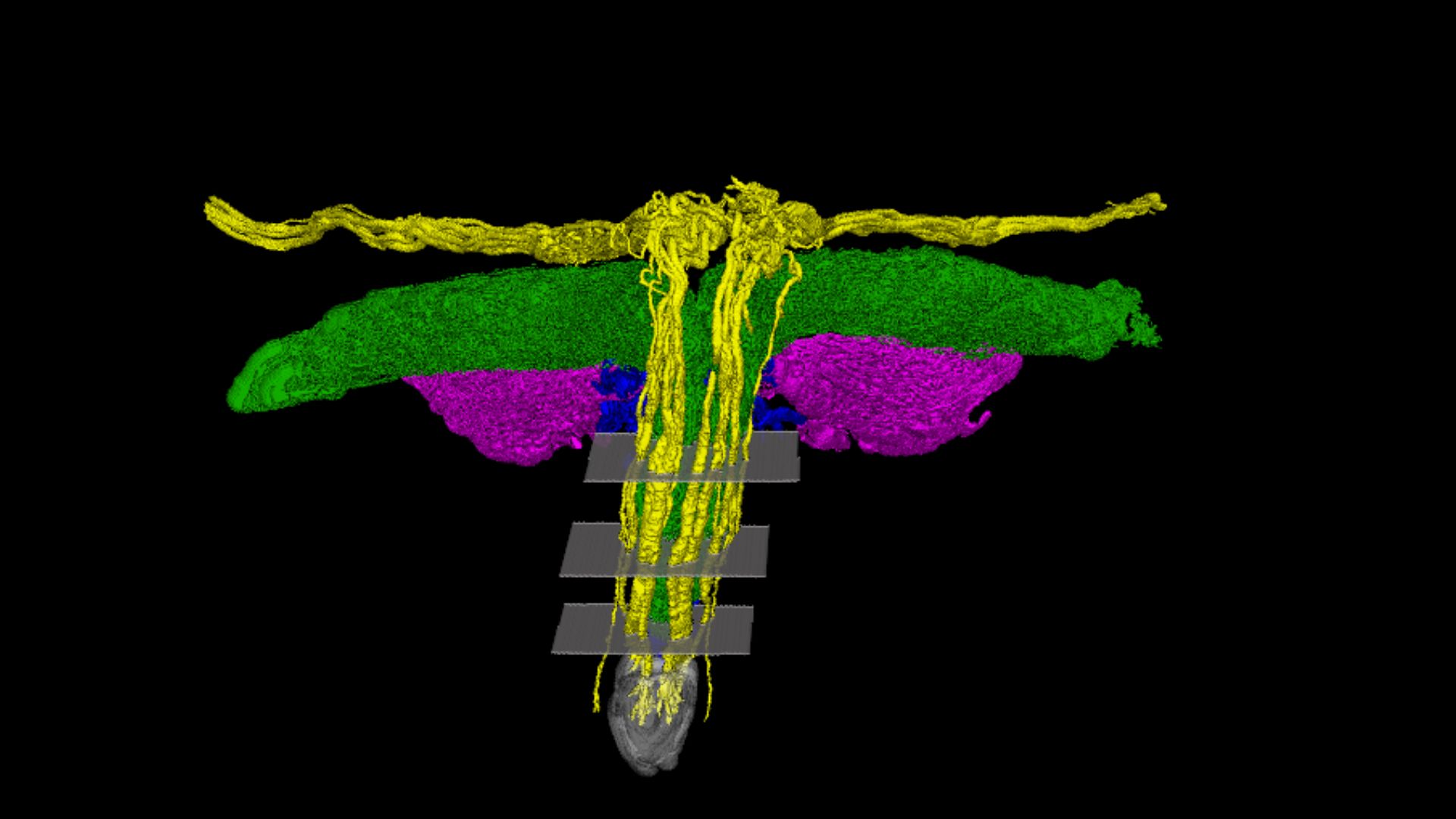
The central focus of the mapping is the dorsal nerve — the primary sensory nerve responsible for transmitting sensation from the clitoris. In imaging from the study, the dorsal nerve is highlighted in yellow, with veins and other tissues rendered in different colors to distinguish the various structures.
This kind of detailed, color-differentiated mapping is more than an academic exercise. Knowing precisely where nerves run, how they branch, and how they relate to surrounding tissue has direct applications in surgical planning and in understanding what can go wrong — or right — during procedures that affect the pelvic region.
What This Means for Medicine and Surgery
The practical implications of this research extend well beyond anatomy textbooks. Surgeons performing procedures in the pelvic area — including gender-affirming surgeries, procedures related to childbirth complications, and other gynecological interventions — have historically operated with incomplete knowledge of clitoral nerve pathways.
That incomplete knowledge has real consequences. Nerve damage during surgery can result in loss of sensation, chronic pain, or other lasting effects on sexual function. A complete nerve map gives surgeons a far more precise guide for avoiding those outcomes.
The research also has implications for understanding conditions like clitoral pain disorders, sexual dysfunction, and the long-term effects of certain medical procedures. When you don’t know where the nerves are, diagnosing what went wrong — or why sensation is absent or altered — becomes significantly harder.
| Key Element | Detail |
|---|---|
| Organ studied | The clitoris |
| Primary nerve mapped | Dorsal nerve (main sensory nerve of the clitoris) |
| Research credit | Ju Young Lee et al. |
| Historical barrier (cultural) | Described as “shameful member” by 16th-century anatomist |
| Historical barrier (technical) | Clitoral nerve tissue is difficult to dissect and isolate |
| Significance | First complete nerve map of the clitoris ever produced |
The Broader Gap This Research Reflects
This study doesn’t exist in isolation. It is part of a broader, growing recognition within medicine that female anatomy has been systematically under-researched for most of modern medical history. Conditions that predominantly affect women have consistently received less research funding, less clinical attention, and less detailed anatomical study than equivalent conditions in men.
The clitoris is perhaps the most striking example of that disparity. It is an organ with no function other than sensation — and for that reason, some researchers have argued, it was treated as medically unimportant for far too long. The consequences of that attitude show up in surgical complications, in under-diagnosed pain conditions, and in the basic fact that a complete nerve map didn’t exist until now.
Researchers and advocates in women’s health have long pointed to this gap as a patient safety issue, not just an academic one. When surgeons lack detailed anatomical knowledge of a structure they may be working near, the risk to patients increases.
What Comes Next for Clitoral Research
This mapping represents a foundation, not a finish line. Researchers will likely use this new anatomical baseline to investigate a range of questions that were previously difficult to study — from the mechanics of sensation and arousal to the nerve-level effects of specific surgical techniques.
There is also the question of how this knowledge will be integrated into medical training. Anatomical maps only improve outcomes when they are actually taught and applied. Advocates in the field have noted that medical education has historically dedicated very little time to female sexual anatomy, and updating curricula to reflect this new research will be an important next step.
For now, the completion of this nerve map stands as a genuinely significant moment in anatomical science — a reminder that even in an era of advanced imaging and genetic sequencing, some of the most fundamental questions about the human body are still being answered for the first time.
Frequently Asked Questions
What is the dorsal nerve of the clitoris?
The dorsal nerve is the main sensory nerve of the clitoris, responsible for transmitting sensation from the organ. It is the primary focus of the new nerve mapping research.
Why has the clitoris been so understudied until now?
A combination of historical cultural taboo — dating back to a 16th-century anatomist who called it the “shameful member” — and the genuine technical difficulty of dissecting clitoral nerve tissue both contributed to centuries of neglect in research.
Who conducted this research?
The research and its imagery are credited to Ju Young Lee and colleagues, according to the published study materials.
What are the practical medical benefits of this nerve map?
A complete nerve map can help surgeons avoid damaging clitoral nerves during pelvic procedures, potentially reducing complications such as loss of sensation or chronic pain following surgery.
Is this the first time clitoral nerves have ever been studied?
Prior research existed on parts of clitoral anatomy, but this is confirmed to be the first time a complete nerve map of the clitoris has been produced.
Will this research change medical education?
That has not yet been confirmed, but researchers and advocates have long noted that female sexual anatomy receives limited attention in medical training, making this new anatomical baseline a potential resource for updating curricula.




Leave a Reply