
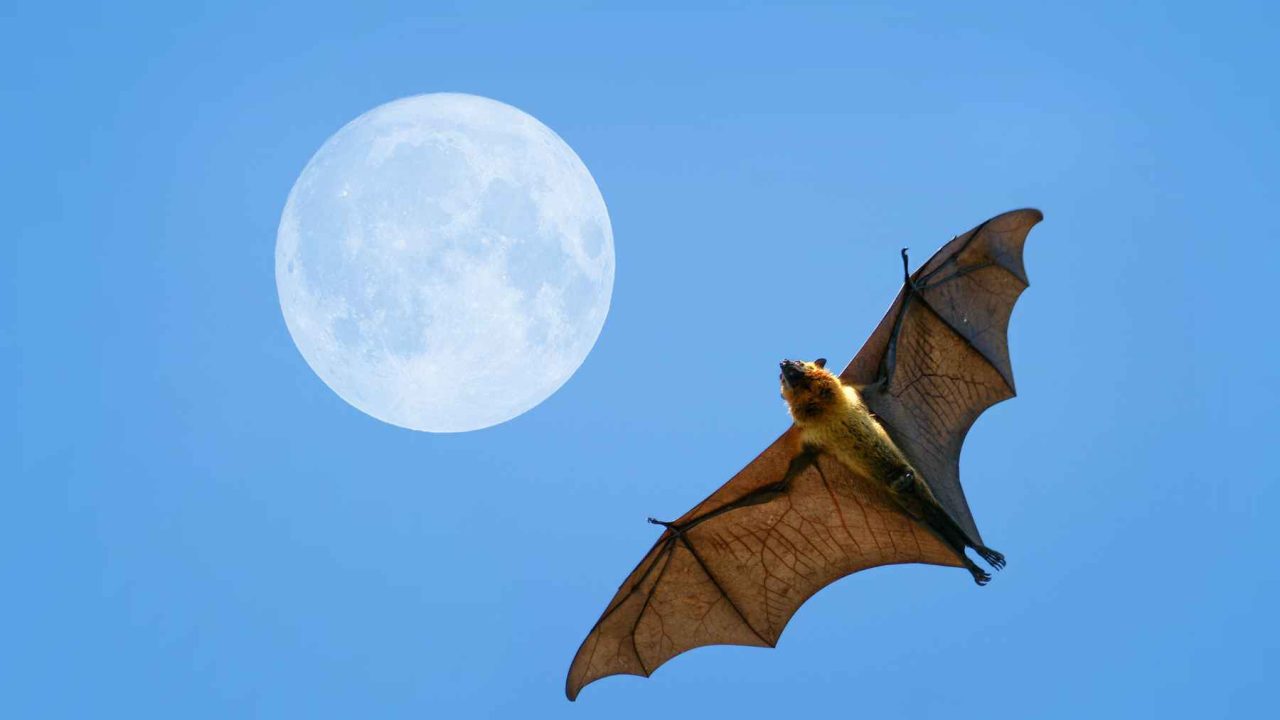
Not every bat is a harbinger of the next pandemic — but some could be, and scientists are now pointing to specific branches of the bat family tree where the real risk is concentrated. A new peer-reviewed analysis is giving public health teams something they have rarely had before: a ranked map of which animals carry the greatest potential to spark a widespread human epidemic.
The warning is not about an immediate, identifiable threat. It is something arguably more important — a systematic way to figure out where to look before the next outbreak begins, rather than scrambling to understand it after the fact.
Bats have repeatedly appeared in discussions about emerging diseases, but this research suggests the danger is far from evenly distributed. The risk clusters in particular bat lineages and in places where human populations and wildlife are being pushed into increasingly close contact.
What “Viral Epidemic Potential” Actually Means
The study is built around a concept the researchers call “viral epidemic potential.” It sounds technical, but the core idea is straightforward: it is a score designed to measure how dangerous a virus could realistically become if it successfully jumps from an animal host to humans and then continues spreading between people.
To calculate that score, the researchers combined three real-world ingredients. They examined how severe the disease a virus tends to cause typically is. They looked at how easily the virus can spread from person to person once it has made the jump. And they factored in other characteristics that shape whether an outbreak stays small or grows into something much larger.
Taken together, those factors produce a ranking — not a prediction, but a prioritization tool. It tells public health teams which animals deserve the closest monitoring and which geographic areas warrant the most urgent attention.
Why Bats Keep Coming Up in Epidemic Science
Bats are not uniquely dangerous because they are bats. They are significant because of their biology, their diversity, and their behavior. There are more than 1,400 known bat species, making them one of the most species-rich groups of mammals on the planet. They are also highly mobile, they roost in enormous colonies, and their immune systems interact with viruses in ways that allow them to carry pathogens without always becoming visibly sick.
That combination — vast diversity, dense social behavior, and unusual viral tolerance — means bats have historically been associated with a wide range of zoonotic viruses, meaning viruses that can cross from animals to humans. The new analysis does not treat all bats as equally risky. Instead, it identifies that the elevated risk is concentrated within specific lineages of the bat family tree, not spread uniformly across all species.
The researchers also highlight geography as a critical factor. Areas where human development, deforestation, or agricultural expansion is pushing people into closer contact with wildlife are the places where the conditions for a spillover event are most favorable.
How the Risk Is Ranked — Key Factors in the Study
The scoring system the researchers developed draws on multiple layers of information to produce its epidemic potential rankings. Here is what goes into the assessment:
- Disease severity: How serious the illness tends to be in humans who contract it
- Human-to-human transmissibility: Whether and how efficiently the virus can spread between people after the initial animal-to-human jump
- Broader viral characteristics: Additional biological factors that influence outbreak size and spread
- Host specificity: Which branches of the bat family tree are most associated with high-scoring viruses
- Geographic concentration: Where human-wildlife contact is intensifying due to land use changes
| Factor Assessed | What It Measures | Why It Matters |
|---|---|---|
| Disease severity | How harmful the virus is to infected humans | Higher severity increases epidemic impact |
| Human-to-human spread | Ease of transmission after initial spillover | Determines whether an outbreak stays contained |
| Viral characteristics | Biological traits affecting outbreak dynamics | Shapes the overall epidemic trajectory |
| Host lineage | Which bat species carry high-potential viruses | Focuses surveillance on highest-risk animals |
| Geographic contact zones | Where humans and bats increasingly overlap | Identifies priority regions for monitoring |
Who Is Most at Risk and Where
The communities facing the greatest exposure are those in regions where human activity is encroaching on bat habitats. When forests are cleared for agriculture, when urban sprawl pushes into previously wild areas, or when people hunt or handle wildlife directly, the invisible barrier between animal viruses and human populations gets thinner.
The analysis does not name a single country or region as uniquely dangerous, but the pattern it describes — high bat diversity combined with rapid land use change and dense human populations — fits large portions of tropical and subtropical regions across Asia, Africa, and Latin America.
For public health agencies operating in those areas, the practical implication is significant. Rather than monitoring all wildlife equally, which is expensive and logistically impossible, this kind of ranked framework allows teams to concentrate resources on the bat lineages and geographic zones where the risk profile is highest.
What Researchers Hope This Changes
The researchers were deliberate about the scope of their findings. They did not identify a specific virus about to cause an outbreak. They did not declare a particular bat species as the definitive source of the next epidemic. What they built is a decision-support tool — a way of thinking about pandemic preparedness that is proactive rather than reactive.
The broader scientific community has long argued that the world spends far more responding to outbreaks than preventing them. Studies like this one represent an effort to shift that balance, giving health authorities a data-driven basis for surveillance investment before a spillover event occurs rather than after it has already spread.
Whether governments and international health bodies act on this kind of research in time remains an open question. But the framework now exists, and the researchers behind it are clear about its purpose: to help the right people look in the right places before the next epidemic finds them first.
Frequently Asked Questions
Are all bats considered a pandemic risk?
No. The research specifically found that risk is uneven and clusters within particular branches of the bat family tree, not distributed equally across all bat species.
What is “viral epidemic potential” and how is it calculated?
It is a scoring system that combines disease severity, human-to-human transmissibility, and other viral characteristics to estimate how dangerous a virus could become if it jumps from animals to humans.
Did the researchers identify a specific virus or bat species as the next epidemic threat?
No. The researchers explicitly did not name one “next epidemic bat” or warn of an immediate specific threat — the study is a prioritization framework, not a prediction.
Which regions face the greatest risk according to this research?
The risk is highest in areas where human populations and wildlife are being pushed into closer contact, particularly where land use changes like deforestation are occurring alongside high bat diversity.
How is this research meant to be used practically?
It is designed to help public health teams focus limited surveillance resources on the bat lineages and geographic areas where the combination of risk factors is most concentrated.
Has this study been peer-reviewed?
Yes.



Leave a Reply