
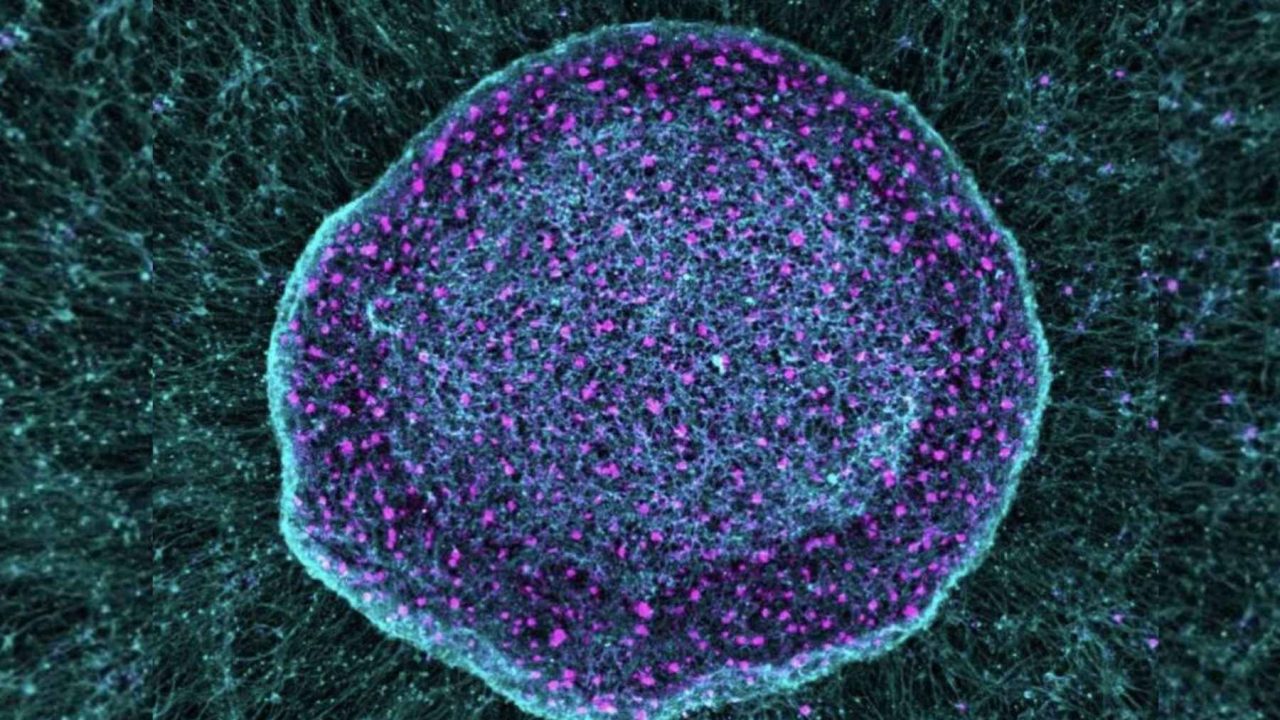
What if your body could be tricked into absorbing pain signals before they ever reach your brain? That is not a distant science fiction scenario — it is the core idea behind SN101, an experimental therapy being developed by scientists at the Johns Hopkins School of Medicine.
The research, led by neurology professor Gabsang Lee, involves reprogramming human stem cells into pain-sensing neurons and injecting them directly into damaged joints. In early animal studies using mice with osteoarthritis, the approach reduced pain behavior and showed signs of improving cartilage and bone health — two outcomes that have eluded most conventional pain treatments.
For the millions of people living with chronic joint pain, and for a healthcare system struggling to reduce dependence on opioids, this line of research is drawing serious attention.
What SN101 Actually Is — and How It Works
The name might sound technical, but the concept behind SN101 is surprisingly intuitive. Think of it as a biological sponge — a cluster of engineered cells placed at the site of pain that intercepts the signals your nervous system would normally send upward to the brain.
The starting material is human pluripotent stem cells. These are cells with a remarkable ability to transform into many different tissue types depending on how they are guided in a laboratory setting. The Johns Hopkins team directed these cells to become sensory neurons — the specific nerve cells responsible for detecting harmful stimuli like inflammation, heat, and physical damage.
Once injected into an arthritic joint, these engineered neurons position themselves alongside the body’s existing tissue. Rather than transmitting pain signals onward, they appear to absorb or disrupt those signals at the source — effectively intercepting the message before the brain ever receives it.
The early results in mice were notable not just for pain reduction, but also for what happened to the joints themselves. Researchers observed improvements in both cartilage and bone health, suggesting the therapy may do more than mask discomfort — it could potentially support tissue recovery as well.
Why This Approach Is Different From Existing Pain Treatments
Most pain medications work downstream — they dampen the brain’s perception of pain, or reduce inflammation broadly across the body. That approach comes with real costs: side effects, dependency risks, and the well-documented dangers of long-term opioid use.
SN101 takes the opposite direction. Instead of altering how the brain processes pain after the signal arrives, it targets the signal at its origin point — the damaged joint itself. The goal is to stop the message from being sent in the first place.
This is why researchers describe it as “hacking” the pain pathway. It is not suppression. It is interception.
The potential to reduce opioid dependency is one of the most significant implications researchers have pointed to. If a localized biological therapy can provide meaningful relief for conditions like osteoarthritis, it could offer patients an alternative that does not carry the systemic risks of long-term pharmaceutical use.
Key Facts About the SN101 Research
| Detail | What We Know |
|---|---|
| Research institution | Johns Hopkins School of Medicine |
| Lead researcher | Professor Gabsang Lee (neurology) |
| Source material | Human pluripotent stem cells |
| Cell type engineered | Sensory neurons (pain-detecting nerve cells) |
| Delivery method | Injection into damaged joints |
| Animal model tested | Mice with osteoarthritis |
| Observed outcomes | Reduced pain behavior; improved cartilage and bone health |
| Potential benefit flagged | Possible reduction in opioid dependency |
- SN101 is currently at the early animal study stage — human trials have not been confirmed in Current treatment options range from anti-inflammatory medications and physical therapy to joint replacement surgery — none of which address the underlying pain signaling mechanism the way SN101 aims to.
Patients who have exhausted conventional options, or who cannot tolerate the side effects of long-term pain medication, represent the population most likely to benefit if this therapy advances through clinical development. The research also carries implications for anyone whose chronic pain is tied to joint degeneration specifically.
Beyond individual patients, the broader significance is systemic. Opioid dependency remains a serious public health challenge, and any therapy that could offer meaningful chronic pain relief without addictive pharmaceuticals would represent a meaningful shift in how medicine approaches long-term pain management.
Where This Research Goes From Here
The current findings come from early animal studies, which means SN101 still has a substantial development path ahead before it could reach human patients. Moving from mouse models to human clinical trials involves extensive safety testing, dosing studies, and regulatory review — a process that typically takes years.
The fact that the therapy showed benefits beyond pain reduction — including signs of cartilage and bone improvement — gives researchers additional avenues to explore. If those structural benefits hold up in further studies, SN101 could potentially be evaluated not just as a pain therapy but as a treatment that slows or partially reverses joint damage.
For now, the Johns Hopkins team’s work represents a genuinely novel approach to one of medicine’s most persistent problems. The concept of intercepting pain before the brain ever registers it is not new in theory — but engineering living cells to do the job, and injecting them directly into the source of the problem, is a different kind of solution entirely.
Frequently Asked Questions
What is SN101?
SN101 is an experimental biological therapy developed at Johns Hopkins School of Medicine that uses engineered stem cells to intercept pain signals in damaged joints before they reach the brain.Who is leading this research?
The research is led by Professor Gabsang Lee, a neurology professor at the Johns Hopkins School of Medicine.Has SN101 been tested in humans yet?
Based on available information, SN101 has only been tested in animal studies so far — specifically in mice with osteoarthritis. Human trials have not been confirmed.What results were seen in the animal studies?
In early mouse studies, SN101 reduced pain behavior and also showed improvements in cartilage and bone health within the affected joints.Could SN101 help reduce opioid use?
Researchers have pointed to reduced opioid dependency as one of the potential benefits, since the therapy aims to relieve pain at its source rather than through systemic medication.What type of stem cells are used in SN101?
The therapy uses human pluripotent stem cells, which are guided in a laboratory to become sensory neurons — the nerve cells responsible for detecting pain signals like inflammation and heat.




Leave a Reply