
A Spanish startup less than a year old has pulled off something that typically takes defense contractors years to achieve: taking an AI-powered perimeter surveillance system from concept to real-world validation in a matter of months. The company, Sentitech, founded in April 2025, has already reached Technology Readiness Level 6 (TRL 6) with its platform, Domus Sentinela — a milestone that signals the system works not just in a lab, but in a live, complex environment.
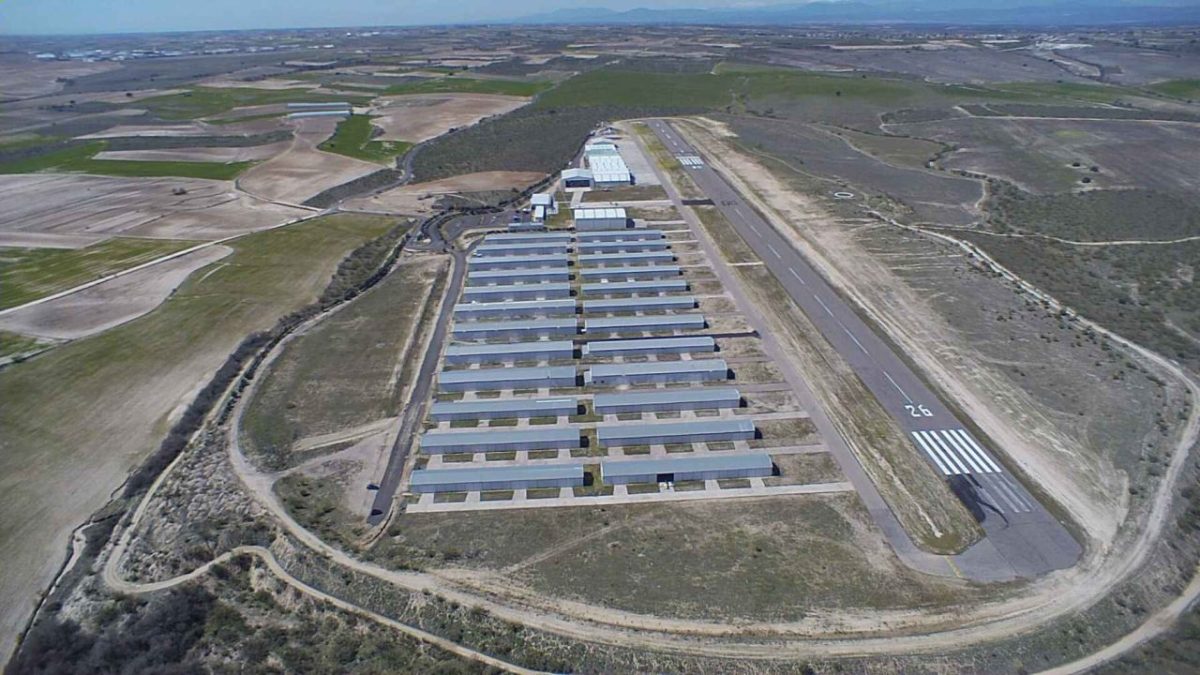
The validation took place at Casarrubios Aerodrome in Toledo, under real air traffic conditions, as part of a project called Project Caelus. The system covered 40 hectares of ground and 2,500 meters of active airspace, and its so-called “double dome” architecture is capable of detecting threats at distances of up to 3 kilometers.
For a sector where cheap drones, asymmetric threats, and aging infrastructure have become daily headaches for governments and private operators alike, that kind of rapid progress is hard to ignore.
Why Perimeter Security Has a Serious Blind Spot Problem
Here’s a problem that rarely gets talked about outside of security circles: many critical facilities — military bases, border crossings, power plants, airports — are already packed with sensors. Radar units, CCTV cameras, radio frequency detectors, LiDAR systems. They’re expensive. They’re everywhere. And they still leave gaps.
The reason is that most of these systems operate in silos. Each one generates its own alerts, its own data stream, its own interface. Human operators are left jumping between screens, manually cross-referencing fragmented information, and trying to piece together a coherent picture of what’s actually happening on the perimeter — often in real time, under pressure.
That’s the core problem Sentitech is trying to solve. Rather than adding yet another isolated sensor to the mix, Domus Sentinela is built around sensor fusion — combining inputs from multiple detection systems into a single, unified AI-driven picture. The goal is to reduce the cognitive burden on operators and close the gaps that isolated sensors leave behind.
What Domus Sentinela Actually Does
The platform’s defining feature is what Sentitech calls the “double dome” architecture. Think of it as two overlapping spheres of detection coverage — one handling the ground-level perimeter and one managing the airspace above it. Together, they create a continuous protective envelope around a facility.
The system integrates data from multiple sensor types simultaneously, using artificial intelligence to correlate that information and flag threats automatically. Instead of a human operator trying to connect the dots between a radar blip and a camera alert, the AI does that work and surfaces a unified threat assessment.
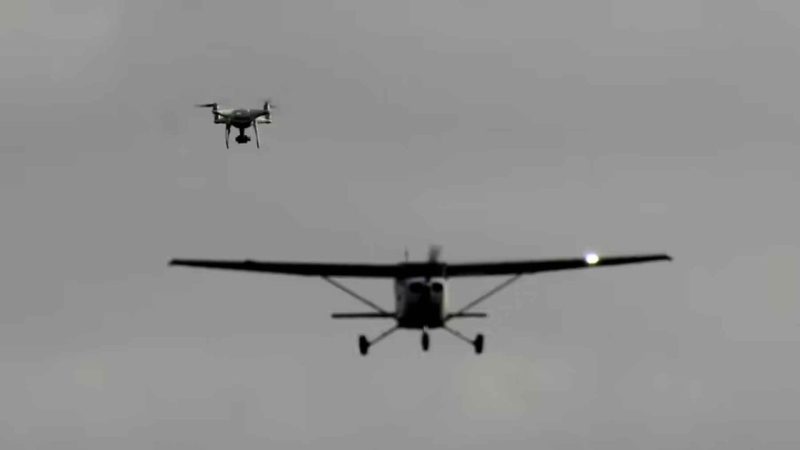
The real-world test at Casarrubios Aerodrome was specifically designed to stress-test this capability under genuine complexity — not a controlled simulation, but an active airfield with real aircraft moving through the monitored zone.
| Feature | Detail |
|---|---|
| Company name | Sentitech |
| Founded | April 2025 |
| Platform name | Domus Sentinela |
| Technology Readiness Level achieved | TRL 6 |
| Validation site | Casarrubios Aerodrome, Toledo, Spain |
| Validation project | Project Caelus |
| Ground area covered | 40 hectares |
| Airspace monitored | 2,500 meters |
| Maximum detection range | Up to 3 kilometers |
| Key architecture | “Double dome” sensor fusion |
| Core technology | AI-powered perimeter surveillance with sensor fusion |
Why TRL 6 Matters More Than It Sounds
Technology Readiness Levels are a standardized scale — originally developed by NASA and widely adopted in defense and aerospace — that runs from TRL 1 (basic concept) to TRL 9 (fully operational and proven in real-world deployment). Reaching TRL 6 means a system has been demonstrated in a relevant environment, not just tested in a lab.
For a company that didn’t exist until April 2025, hitting TRL 6 within roughly ten months is an unusually fast trajectory. Most defense-adjacent technology programs spend years moving through the early readiness levels before any real-world validation takes place.
The choice of an active aerodrome as the test environment was deliberate and demanding. Airfields involve multiple overlapping signals — aircraft transponders, radio communications, ground vehicle movement, variable weather conditions — that create exactly the kind of noisy, complex data environment where sensor fusion systems either prove themselves or fall apart.
Who This Technology Is Built For
The threat landscape that Domus Sentinela is designed to address has shifted significantly in recent years. Commercial drones have become cheap enough that almost anyone can deploy them, and small unmanned aircraft can now carry payloads, conduct surveillance, or simply disrupt operations at critical sites without warning.
That shift has made perimeter security a pressing concern for a wide range of operators — not just military installations, but also energy infrastructure, transportation hubs, border management agencies, and large industrial facilities. The challenge isn’t detection alone; it’s detection fast enough and accurate enough to allow a meaningful response.
Sentitech’s approach — fusing multiple sensor types under a single AI layer — is aimed directly at that response-time problem. By automating the correlation of sensor data, the platform is designed to surface credible alerts faster than a human operator working across multiple separate systems could manage.
What Comes After TRL 6
With TRL 6 validated, the logical next steps on the readiness scale are TRL 7 (system prototype demonstration in an operational environment) and eventually TRL 8 and 9, which represent full qualification and proven operational capability.
What is clear is that Sentitech has moved from founding to real-world validation faster than most technology programs in this space manage, and the test results from Project Caelus at Casarrubios Aerodrome establish a documented baseline for the platform’s capabilities under genuine operating conditions.
Whether the company can maintain that pace through the more demanding — and typically much longer — upper stages of the readiness scale remains to be seen. But the foundation, at least, has been laid quickly and under conditions that were anything but artificial.
Frequently Asked Questions
What is Domus Sentinela?
Domus Sentinela is an AI-powered perimeter surveillance platform developed by Spanish startup Sentitech. It uses sensor fusion and a “double dome” architecture to monitor both ground-level and airspace threats around critical facilities.
When was Sentitech founded?
Sentitech began operations in April 2025, making its TRL 6 validation within roughly ten months of founding an unusually rapid achievement for a defense-adjacent technology company.
Where was Domus Sentinela tested?
The system was validated at Casarrubios Aerodrome in Toledo, Spain, under real air traffic conditions as part of a project called Project Caelus.
How far can the system detect threats?
According to
What does TRL 6 mean in practice?
TRL 6 means the technology has been demonstrated in a relevant real-world environment — beyond lab testing — which is a significant milestone in the standard technology readiness scale used in defense and aerospace development.
What area did the system cover during testing?
During the Casarrubios validation, Domus Sentinela covered 40 hectares of ground and monitored 2,500 meters of active airspace simultaneously.



Leave a Reply