
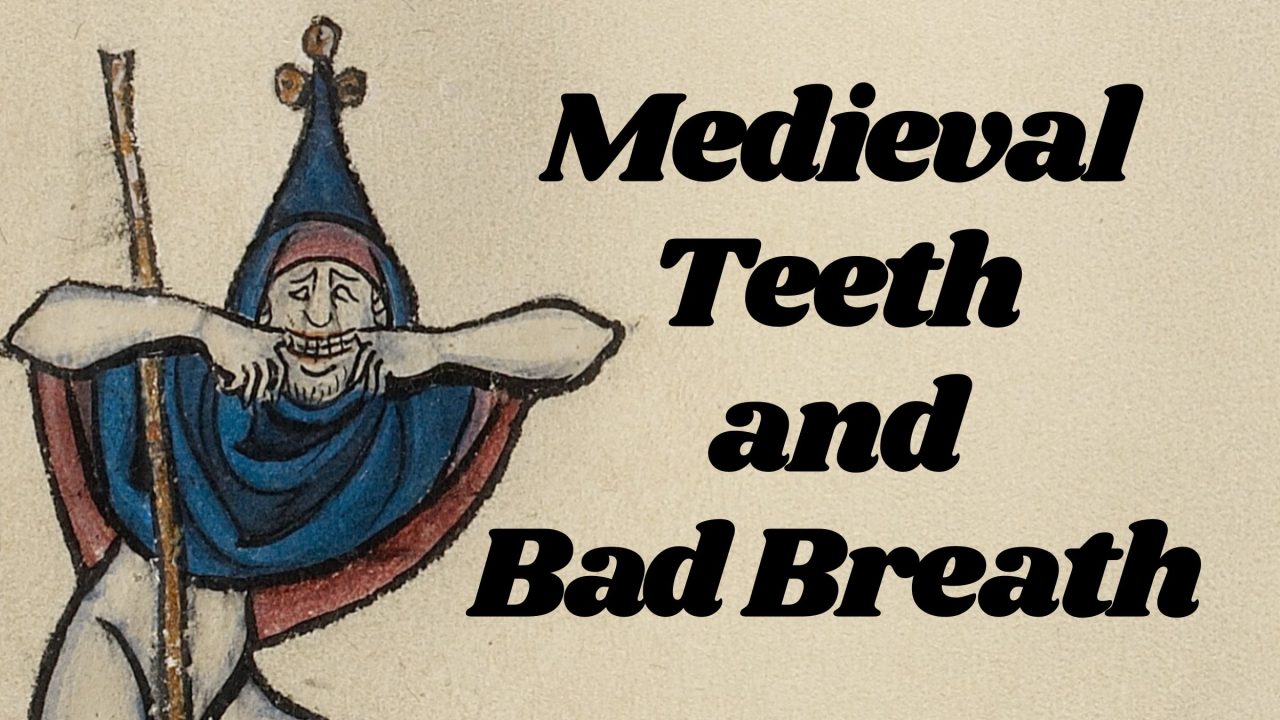
Thaddeus wiped his mouth with the back of his hand after finishing his evening meal of bread and ale. His wife, Gweneth, leaned over to whisper something in his ear, but quickly pulled back with a grimace. “Your breath could wake the dead,” she muttered, not unkindly but with obvious discomfort.
This scene might sound familiar to anyone who’s ever wondered about hygiene in medieval times. We’ve all seen movies where knights rescue princesses with perfect smiles, or heard jokes about how people in the Middle Ages must have had terrible teeth and breath that could knock you over.
But how much of what we think we know about medieval dental hygiene is actually true? The answer might surprise you – and change how you think about our ancestors forever.
The Truth About Medieval Dental Health
Contrary to popular belief, medieval people didn’t all walk around with rotting teeth and breath that could clear a room. Archaeological evidence tells a much more nuanced story about dental health in the Middle Ages.
Medieval diets were actually quite different from ours in ways that both helped and hurt dental health. Most people consumed far less sugar than we do today, since refined sugar was a luxury item available only to the wealthy. This meant that the primary cause of tooth decay in modern times – excessive sugar consumption – wasn’t a major factor for most medieval people.
The medieval diet was generally much better for teeth than people assume. Without processed sugars and refined carbohydrates, many people maintained relatively healthy teeth throughout their lives.
— Dr. Rebecca Mills, Medieval Archaeology Specialist
However, medieval people faced other dental challenges. Their bread often contained gritty particles from stone grinding wheels, which wore down teeth over time. Additionally, using teeth as tools – to grip materials while working or to crack nuts and bones – caused significant wear and damage.
Medieval Dental Care Practices That Actually Worked
Medieval people weren’t clueless about oral hygiene. They developed several effective methods for keeping their mouths clean, many of which mirror modern practices.
Here are the most common medieval dental care practices:
- Tooth cleaning with cloth: People rubbed their teeth with rough cloth to remove food particles and plaque
- Salt and herb mixtures: Combinations of salt, mint, and other herbs served as primitive toothpaste
- Chewing sticks: Twigs from certain trees were chewed to clean teeth and freshen breath
- Mouth rinsing: Wine, vinegar, or herbal solutions were used as mouthwash
- Dietary remedies: Chewing certain herbs like parsley, mint, and fennel to combat bad breath
| Social Class | Common Dental Problems | Available Treatments |
|---|---|---|
| Nobility | Sugar-related decay, gum disease | Professional tooth pullers, imported remedies, gold dental work |
| Merchants/Craftsmen | Wear from work, moderate decay | Local remedies, basic extractions, herbal treatments |
| Peasants | Tooth wear from coarse food, broken teeth | Home remedies, community healers, prayer |
Medieval medical texts contain surprisingly sophisticated advice about dental care. They understood the connection between diet, oral hygiene, and overall health better than we often give them credit for.
— Professor James Hartford, History of Medicine
Why Bad Breath Was More Common Than Bad Teeth
While medieval teeth might not have been as universally terrible as we imagine, bad breath was indeed a more widespread problem. Several factors contributed to this issue across all social classes.
Poor overall health played a major role in medieval halitosis. Digestive problems, respiratory infections, and other illnesses that were common in medieval times often caused persistent bad breath. Without modern medicine to treat these underlying conditions, people struggled with chronic oral odor.
The medieval diet, while lower in sugar, included many foods that could cause strong breath odors. Garlic, onions, and various spices were dietary staples. Additionally, the preservation methods of the time – smoking, salting, and fermenting foods – created intense flavors that lingered in the mouth.
Bad breath in medieval times was often a symptom of broader health issues rather than just poor oral hygiene. Malnutrition, disease, and lack of medical care all contributed to oral health problems.
— Dr. Marina Kowalski, Dental Anthropologist
Alcohol consumption also played a role. Beer and ale were safer to drink than water in many medieval communities, leading to regular alcohol consumption that could contribute to dry mouth and bacterial growth.
Social Classes and Dental Health Differences
Not surprisingly, social class made a huge difference in medieval dental health. The wealthy had access to better food, professional care, and imported remedies, while the poor made do with whatever they could find or afford.
Wealthy nobles actually faced unique dental challenges. Their access to imported sugar, refined foods, and rich diets led to higher rates of tooth decay. Ironically, the poor peasant eating coarse bread and vegetables often had healthier teeth than the lord feasting on sweetened wines and elaborate desserts.
Professional dental care, such as it was, existed primarily for the upper classes. Barber-surgeons and specialized tooth-pullers provided extractions and basic treatments for those who could afford them. Some wealthy individuals even had primitive dental prosthetics made from animal bones or carved wood.
Archaeological evidence shows that medieval peasants often had better dental health than nobles, primarily because their diets contained less sugar and more fibrous foods that naturally cleaned their teeth.
— Dr. Thomas Brightwell, Medieval Studies
The middle classes – merchants, skilled craftsmen, and clergy – fell somewhere between these extremes. They had access to some remedies and treatments but still faced occupational hazards that damaged their teeth.
Modern Myths vs Medieval Reality
Many of our assumptions about medieval dental hygiene come from later periods or are simply exaggerated myths. The stereotype of universally black, rotting teeth belongs more to the 18th and 19th centuries, when sugar became widely available but dental care remained primitive.
Medieval people were actually quite concerned with personal cleanliness and appearance. Religious and social customs emphasized the importance of presenting oneself properly, which included basic oral hygiene. The idea that medieval people were indifferent to bad breath or dental problems doesn’t match historical evidence.
Archaeological studies of medieval skeletons reveal that while dental problems existed, they weren’t as severe or universal as popular culture suggests. Many individuals lived full lives with functional, relatively healthy teeth.
FAQs
Did medieval people brush their teeth?
Not with modern toothbrushes, but they cleaned their teeth with rough cloth, chewing sticks, and abrasive powders made from salt and herbs.
What did medieval people use for toothpaste?
They mixed salt with various herbs like mint, sage, and ground roots to create cleaning pastes and powders for their teeth.
Were medieval teeth really black and rotting?
Not typically. Most medieval people had relatively healthy teeth due to low sugar diets, though wear and breakage from coarse food and using teeth as tools was common.
How did medieval people deal with toothaches?
They used herbal remedies, prayer, and as a last resort, tooth extraction by barber-surgeons or local healers.
Did social class affect dental health in medieval times?
Yes significantly. Wealthy people had access to better care but often worse teeth due to sugar consumption, while peasants had healthier teeth but fewer treatment options.
What caused bad breath in medieval times?
Poor overall health, digestive problems, strong-flavored foods, alcohol consumption, and underlying medical conditions were the main causes.

Leave a Reply