
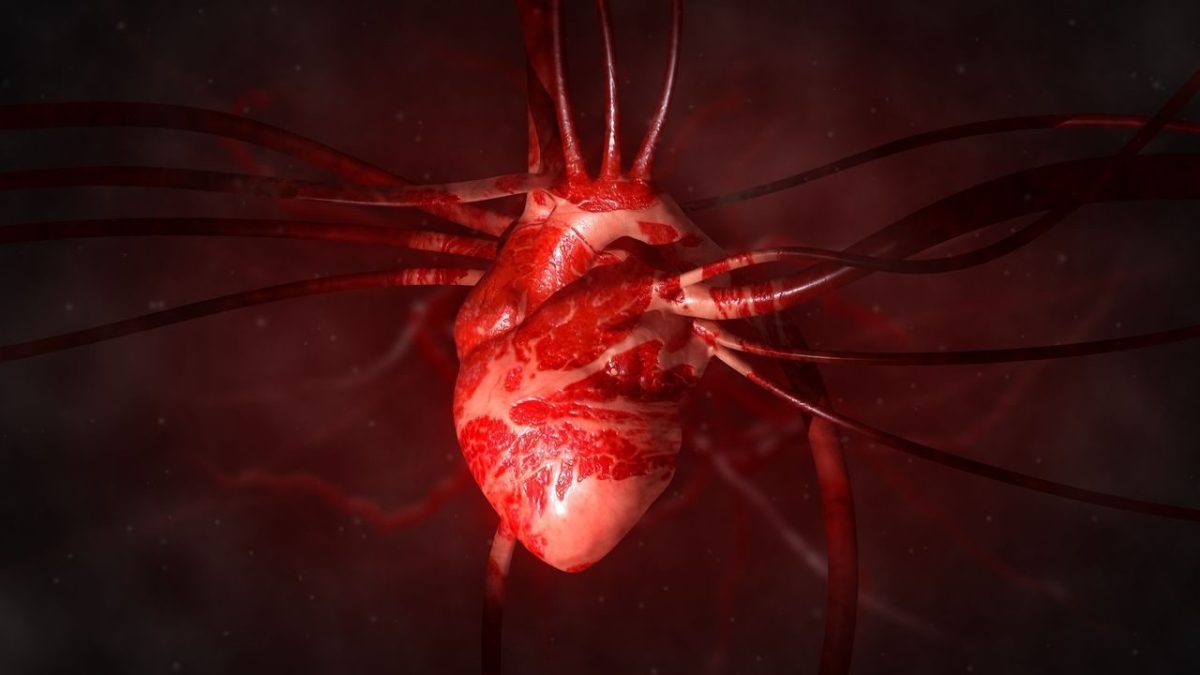
What if a single injection — given once, right after a heart attack — could help your heart muscle heal itself? That’s the question researchers are now closer to answering, after a new study showed that a shot of self-amplifying RNA repaired tissue damage from a heart attack in both mice and pigs.
Heart attacks remain one of the leading causes of death and long-term disability worldwide. When the heart is starved of oxygen during an attack, muscle tissue dies — and unlike many other tissues in the body, the heart has a very limited ability to regenerate on its own. Recovery can take weeks or months, and for many patients, the damage is permanent.
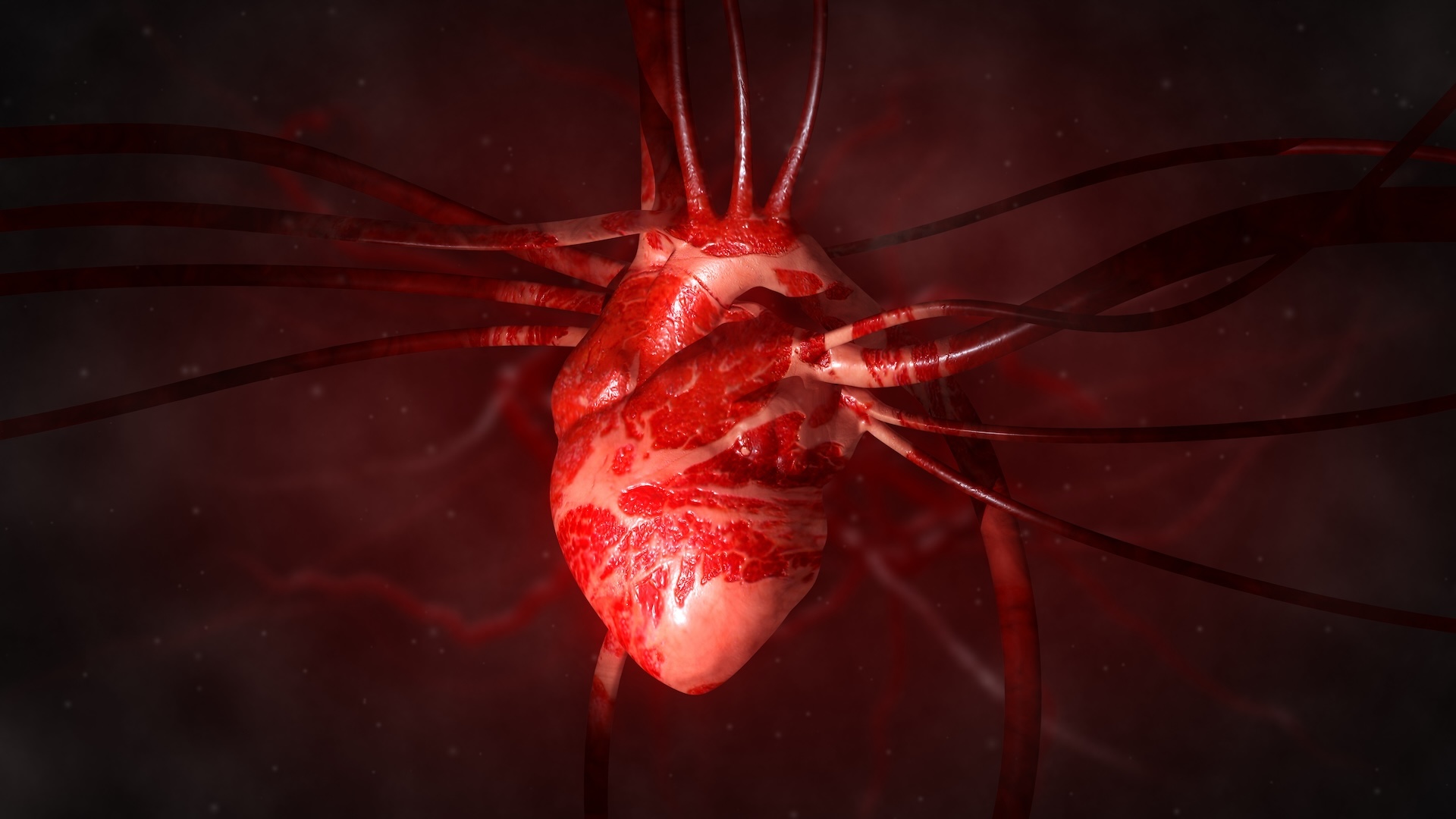
This new research suggests that may not always have to be the case. The approach draws on technology similar to what powered the COVID-19 mRNA vaccines, but applies it in a fundamentally different way — not to train the immune system, but to trigger the heart’s own repair mechanisms.
How the mRNA Treatment for Heart Attack Recovery Actually Works
The treatment uses what scientists call self-amplifying RNA — a more advanced cousin of the mRNA technology used in COVID-19 vaccines. Where standard mRNA delivers a one-time set of instructions to cells, self-amplifying RNA is designed to copy itself inside the body, producing a stronger and more sustained biological response from a smaller initial dose.
In this case, the injection is designed to boost production of a natural hormone that the heart uses to repair itself after injury. Rather than introducing a foreign substance to do the healing, the shot essentially tells the body to produce more of something it already makes — just in quantities large enough to meaningfully accelerate recovery.
The research was conducted in both mice and pigs. Pigs are considered a particularly meaningful model for cardiac research because their hearts are anatomically and physiologically much closer to human hearts than rodent hearts are. Positive results in both species strengthens the case for eventual human trials.
What the Research Found — and What It Hasn’t Proven Yet
The core finding is that a single injection of self-amplifying RNA was able to repair tissue damage caused by a heart attack in animal models. Researchers believe the approach could one day offer patients a faster recovery — potentially reducing the lasting damage that so often follows a cardiac event.
That said, it’s important to be clear about where this research stands. The treatment has not yet been tested in humans. Animal studies, even in species as physiologically relevant as pigs, do not guarantee the same results will appear in human clinical trials. Many promising treatments that work in animals have failed to translate to human medicine.
Still, researchers are optimistic. The fact that a single shot — rather than a prolonged drug regimen — could potentially do the job makes this approach particularly appealing from a practical standpoint. A one-time treatment given in the hours or days after a heart attack would be far easier to administer than a long-term therapy.
| Feature | Standard mRNA | Self-Amplifying RNA |
|---|---|---|
| How it works | Delivers one-time instructions to cells | Copies itself inside the body for sustained effect |
| Dose required | Larger doses typically needed | Smaller initial dose due to self-amplification |
| Duration of effect | Short-term | Longer, more sustained biological response |
| Current use | COVID-19 vaccines and others | Emerging — under active research |
| Tested in heart repair | No | Yes — mice and pigs in this study |
Why the Heart Is So Hard to Heal
Most people know the heart is a muscle. What fewer realize is just how poorly it heals compared to other muscles in the body. Skeletal muscle — the kind in your arms and legs — has robust regenerative capacity. The heart, by contrast, has very few stem-like cells capable of producing new muscle tissue after injury.
When a section of heart muscle dies during a heart attack, the body typically replaces it with scar tissue. Scar tissue doesn’t contract the way healthy muscle does, which means the heart becomes permanently less efficient at pumping blood. Over time, this can lead to heart failure.
That’s what makes this line of research so significant. If a treatment could meaningfully reduce the amount of scar tissue that forms — or encourage actual muscle regeneration — it could change the long-term outlook for millions of heart attack survivors every year.
What Comes Next for This Treatment
The next major step would be human clinical trials. Before that can happen, researchers typically need to complete additional preclinical safety studies and secure regulatory approval to begin testing in people. That process can take years.
The path from animal study to approved human treatment is long, and many candidates don’t make it through. But the self-amplifying RNA platform itself is already well-established — it has been studied in vaccine development and other therapeutic contexts — which may help accelerate the safety review process compared to an entirely novel technology.
Researchers believe the single-injection approach could one day be given to heart attack patients in hospital settings, potentially in the critical window right after a cardiac event when intervention is most likely to limit damage. Whether that vision becomes reality depends on how well the treatment performs when human trials eventually begin.
For now, the results in mice and pigs represent a genuinely promising early signal — one that has the scientific community paying close attention.
Frequently Asked Questions
What is self-amplifying RNA, and how is it different from regular mRNA?
Self-amplifying RNA copies itself inside the body, producing a stronger and more sustained effect from a smaller initial dose than standard mRNA, which delivers only a one-time set of instructions to cells.
Has this heart attack treatment been tested in humans?
No. The treatment has only been tested in mice and pigs so far. Human clinical trials have not yet taken place.
Why were pigs used in this study?
Pig hearts are anatomically and physiologically much closer to human hearts than rodent hearts, making positive results in pigs a stronger indicator of potential success in human medicine.
How does the injection help the heart heal?
The shot is designed to boost production of a natural heart-repairing hormone, encouraging the body’s own repair mechanisms rather than introducing a foreign healing agent.
Could this treatment replace current heart attack therapies?
This has not yet been confirmed. The research is at an early stage, and how this treatment might fit alongside or replace existing therapies would depend on the results of future human trials.
How long does it take to recover from a heart attack currently?
Recovery from a heart attack typically takes weeks or months, and for many patients the muscle damage is permanent — which is part of what makes this research direction significant.



Leave a Reply