
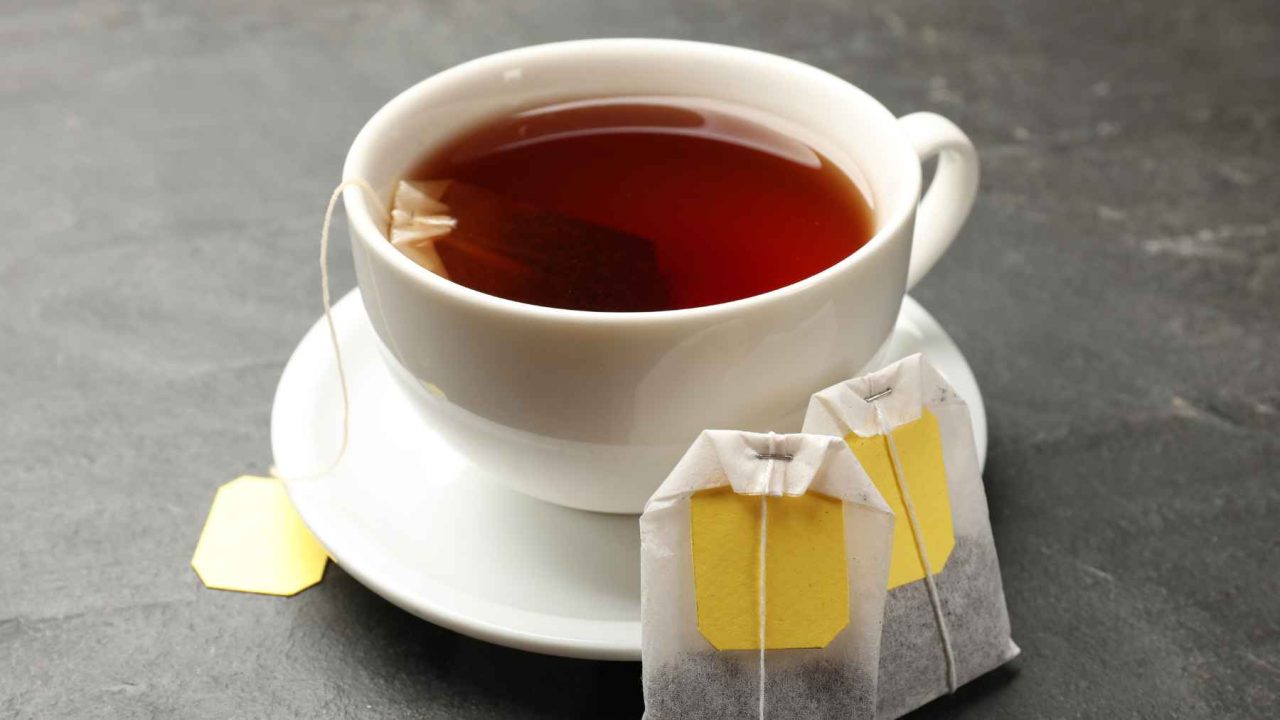
Up to 14.7 billion microplastics and nanoplastics in a single cup of tea. That number, drawn from recent scientific research, is the kind of figure that makes you set down your mug and stare at it differently. For billions of people around the world, making tea is about as automatic as breathing — boil water, drop in a bag, wait. But a scientific review published in Food Chemistry is raising questions that the tea industry and everyday drinkers are only beginning to grapple with.
The concern isn’t that tea itself is toxic. It’s that the bags holding the tea — and other points along the production and packaging chain — may be releasing tiny plastic particles directly into your drink, every single time you brew a cup.
The findings are not a simple alarm bell. Researchers are careful to note that the numbers can vary enormously depending on the methods used to detect and count plastic particles. But the sheer scale of the upper estimates is hard to ignore, and the science behind them is growing harder to dismiss.
What the Research Actually Found
The review, published in Food Chemistry, examined microplastics and nanoplastics — often grouped by researchers under the shorthand “MNPs” — across a range of tea-based drinks. That includes hot brewed tea as well as other tea products.
Researchers identified several potential entry points for plastic contamination. The tea bag itself is flagged as often the biggest contributor, particularly when tea is brewed hot. But the review also points to other sources: production water used during manufacturing, packaging materials, and even tea leaves that may arrive already contaminated before they ever reach a bag.
The key tension in the review is one that runs through a lot of microplastics research right now. Scientists are working with different detection methods, different types of plastic particles, and different definitions of what counts as a “microplastic” versus a “nanoplastic.” That variation in methodology is part of why the numbers can swing so dramatically — and why the headline figure of 14.7 billion particles per cup represents an upper estimate, not a settled average.
Still, even conservative estimates from this body of research suggest that plastic particle release from tea bags during brewing is a real and measurable phenomenon, not a theoretical concern.
Why Tea Bags Are at the Center of the Concern
Not all tea bags are made the same way. Traditional paper bags have long been the standard, but in recent years, many premium and specialty tea brands have shifted to mesh or silicone-style bags — materials that are often made from plastics like nylon, polypropylene, or PET. These materials can break down under heat, releasing particles into the liquid.
Hot water accelerates that process. When boiling or near-boiling water contacts a plastic-based tea bag, the heat can cause the material to shed particles at a significantly higher rate than it would at room temperature. This is why hot tea, specifically, is highlighted in the research as a particular area of concern.
The review notes that contamination doesn’t start and end with the bag itself. The full journey of tea — from cultivation and processing, through packaging and shipping, to the moment it’s brewed in someone’s kitchen — involves multiple potential contact points with plastic materials.
Where Microplastics in Tea Can Come From
| Source | Description | Level of Concern (per review) |
|---|---|---|
| Tea bag material | Plastic-based mesh or nylon bags shed particles in hot water | Highest — especially in hot brewed tea |
| Packaging | Plastic wrapping and packaging around tea products | Moderate — contact contamination possible |
| Production water | Water used during manufacturing may carry plastic particles | Moderate — depends on source and filtration |
| Tea leaves | Leaves may arrive pre-contaminated from growing or processing environments | Lower — but present in some studies |
What This Means for People Who Drink Tea Every Day
Tea is among the most consumed beverages on the planet. For hundreds of millions of people, it’s a daily ritual — sometimes multiple times a day. That frequency matters when researchers talk about cumulative exposure to microplastics and nanoplastics.
The honest answer right now is that scientists do not yet have a full picture of what ingesting these particles does to the human body over time. The research into health effects is ongoing and, in many areas, still inconclusive. What the Food Chemistry review makes clear is that the exposure is real and measurable — and that the tea bag is frequently the most significant source of that exposure when brewing hot tea.
For people who want to reduce their potential exposure based on what is currently known, the most straightforward options involve the type of tea bag being used. Loose-leaf tea brewed in a metal or ceramic infuser avoids the plastic bag problem entirely. For those who prefer the convenience of bags, paper-based bags without plastic sealants are generally considered a lower-risk option compared to plastic mesh varieties.
These are practical steps, not guaranteed solutions — contamination from other sources like packaging and production water would still be possible. But the bag itself, according to the review, is where the biggest reduction in exposure could come from.
The Part of This Story Most Reports Are Missing
The 14.7 billion figure is striking, and it tends to dominate coverage of this topic. But the review’s authors are explicit that measurement methodology matters enormously. Different scientific teams using different detection techniques can arrive at wildly different counts from the same type of tea bag.
This doesn’t mean the concern is overblown — it means the science is still developing. Researchers are actively working to standardize how microplastics and nanoplastics are detected and measured in food and beverages. Until that standardization improves, the range of estimates will remain wide, and the true average exposure per cup will remain uncertain.
What isn’t uncertain is the direction of the finding: plastic particles do enter brewed tea, tea bags are a primary driver of that contamination in hot drinks, and the scale of potential exposure — even at lower estimates — is large enough to warrant continued scientific attention.
Frequently Asked Questions
How many microplastics can a single cup of tea contain?
Some studies cited in the Food Chemistry review estimate up to 14.7 billion microplastics and nanoplastics per cup, though this represents an upper estimate and figures vary significantly depending on measurement methods.
What is the main source of microplastics in tea?
According to the review, the tea bag itself is often the biggest contributor, particularly when hot water is used — which accelerates the release of plastic particles from bag materials.
Are all tea bags equally problematic?
No. Plastic-based mesh bags, such as those made from nylon or polypropylene, are more likely to shed particles in hot water than traditional paper-based bags. The type of material matters significantly.
Is loose-leaf tea a safer option?
Based on the research, brewing loose-leaf tea in a non-plastic infuser would eliminate the tea bag as a source of contamination, though other sources like production water and packaging could still play a role.
Do scientists know what health effects these particles cause?
The health effects of ingesting microplastics and nanoplastics over time are not yet fully understood. The review focuses on measuring exposure rather than confirming specific health outcomes.</p




Leave a Reply