
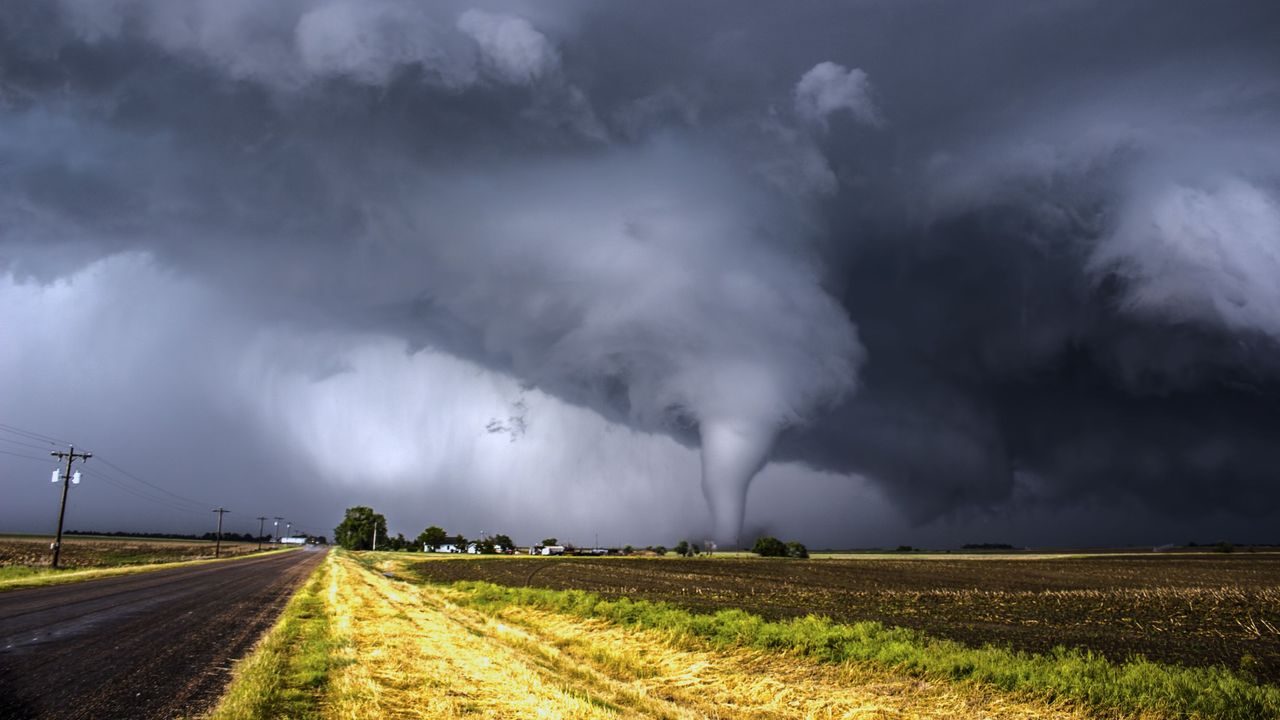
What does it actually feel like to be pulled into a tornado? Most people only know the answer from disaster movies — and according to at least one scientist who lived through it, the reality is every bit as terrifying as the screen version.
In 2008, atmospheric scientist Perry Samson was conducting field research on supercell storms near Oberlin, Kansas, when he found himself caught inside one of the most violent weather phenomena on Earth. Samson, a professor emeritus of atmospheric science, got far closer to the storm than any researcher plans to be — and was dragged into a tornado.
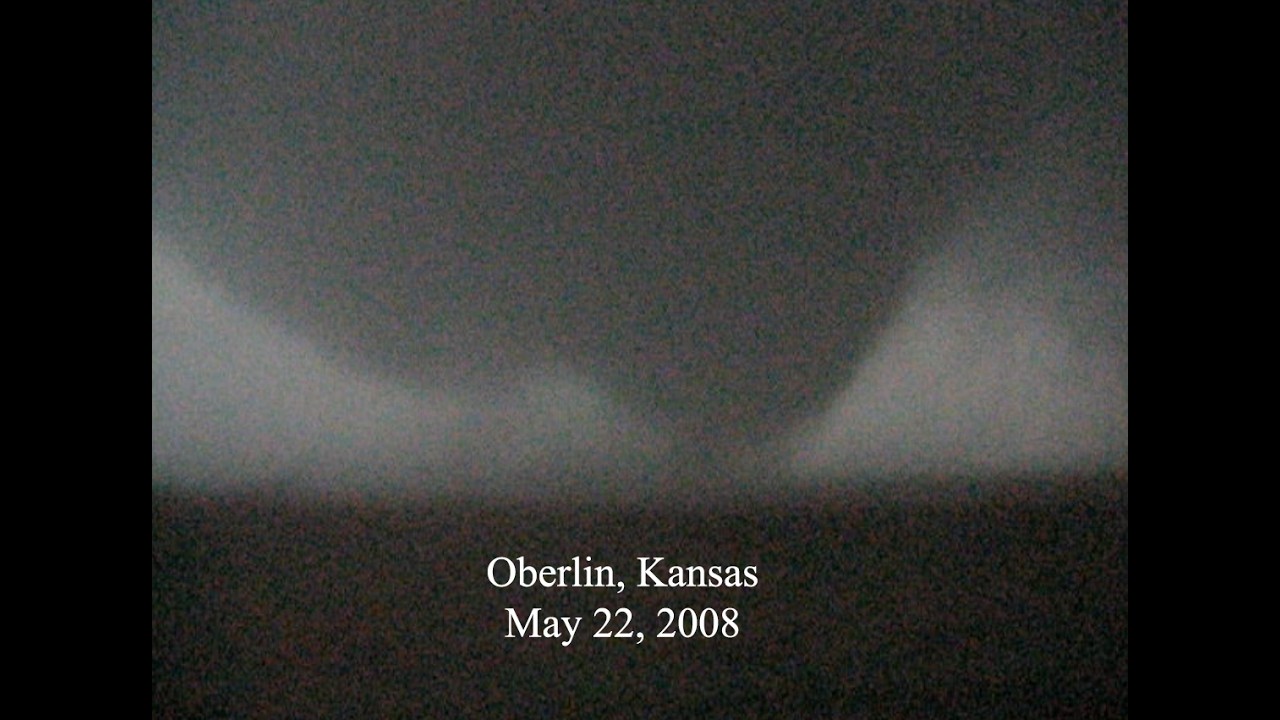
Tornadoes produce the fastest wind speeds found anywhere in the world and are capable of monumental, almost incomprehensible destruction. Samson’s account offers a rare first-person window into what that actually means when you’re inside it rather than watching from a safe distance.
Why Tornadoes Are Unlike Any Other Weather Event
Most extreme weather gives you time to respond. A hurricane builds over days. A flood rises gradually. A tornado can go from funnel cloud to ground contact in seconds, and the wind speeds inside the most powerful ones far exceed anything else in the atmosphere.
Kansas, where Samson was conducting his research, sits at the heart of what meteorologists call Tornado Alley — one of the most tornado-prone regions in the world. Supercell thunderstorms, the particular type of storm Samson was studying that day in Oberlin, are the primary breeding ground for the most powerful and long-lasting tornadoes on record.
Field research on supercells means getting close. Scientists who chase these storms do so deliberately, positioning instruments and vehicles near the storm’s path to collect data that can’t be gathered remotely. The margin for error is extremely small, and what happened to Samson illustrates exactly how quickly that margin can disappear.
What Being Sucked Into a Tornado Is Actually Like
Samson’s experience is notable not just because he survived, but because he is a trained atmospheric scientist — someone who understands what a tornado is doing at a physical and meteorological level. That scientific background makes his account of the experience both credible and deeply unsettling.
The phrase “I’ve seen the movies. What a horrible way to die” captures the kind of thought that cuts through even expert knowledge when survival instinct takes over. When the wind takes you, academic understanding of atmospheric dynamics becomes secondary to raw terror.
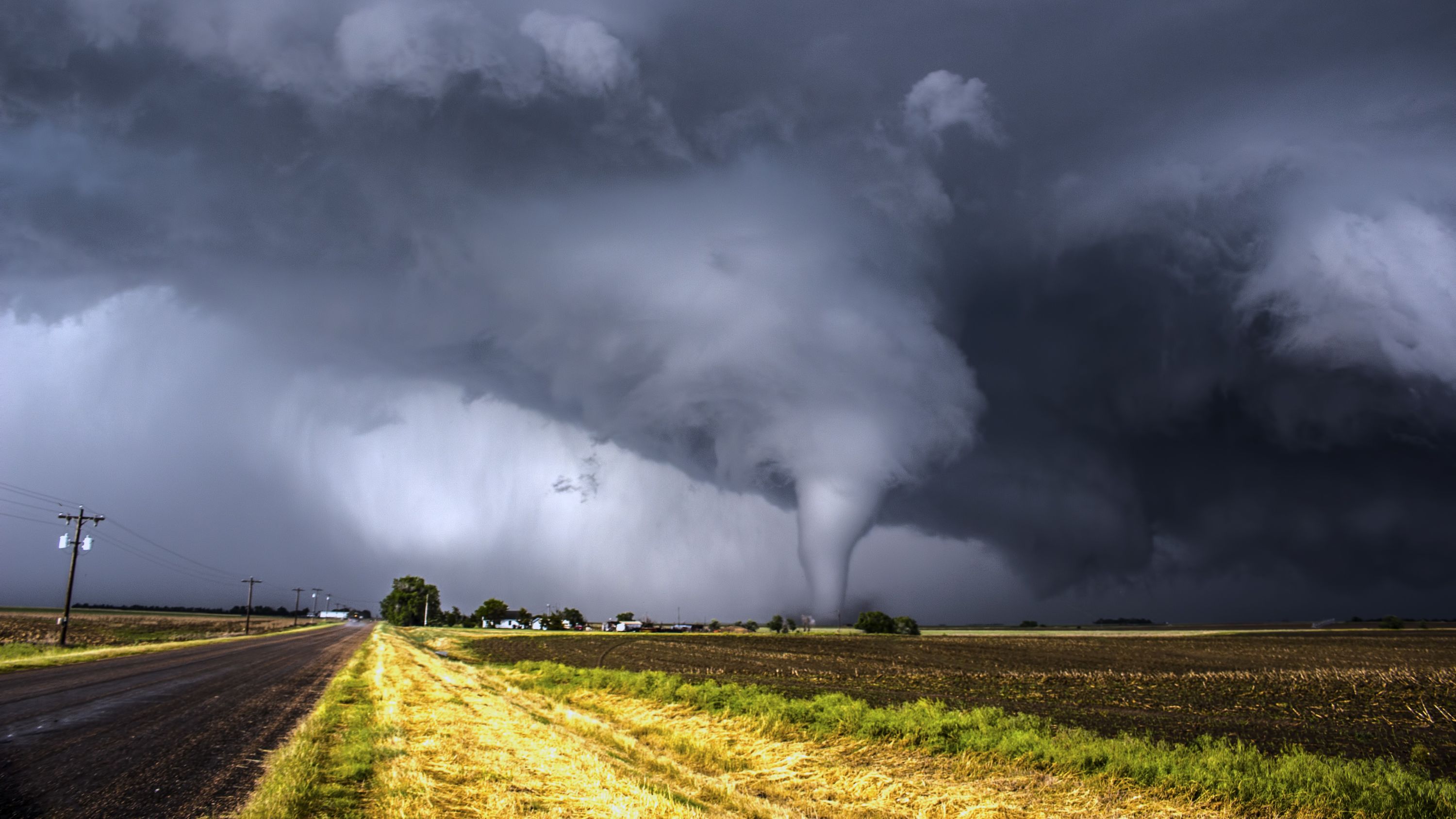
Survivors of tornado encounters consistently describe a combination of overwhelming noise, violent physical movement, and disorientation. The pressure changes inside a tornado are extreme. Debris moves at lethal speeds. The experience is nothing like standing in a strong wind — it is a fundamentally different physical environment.
The Science Behind the Destruction
Understanding what makes tornadoes so dangerous helps explain why even experienced researchers can find themselves in life-threatening situations despite careful planning.
| Feature | Detail |
|---|---|
| Wind speed | Fastest recorded on Earth’s surface |
| Primary storm source | Supercell thunderstorms |
| High-risk region | Kansas and surrounding Tornado Alley states |
| Samson’s research location | Oberlin, Kansas |
| Year of Samson’s encounter | 2008 |
| Samson’s role | Professor emeritus of atmospheric science |
Supercell storms are especially dangerous because they are organized, rotating thunderstorms with a persistent updraft called a mesocyclone. That rotating column of air is what can tighten into a tornado under the right atmospheric conditions. Researchers studying these storms have to anticipate where the tornado will form and move — but tornadoes do not always cooperate with predictions.
- Tornadoes can shift direction suddenly and without warning
- The strongest tornadoes produce winds that no man-made structure is designed to fully withstand
- Kansas is one of the states most frequently and severely affected by tornado activity
- Supercell thunderstorms are the primary source of the most destructive tornadoes
- Field researchers studying these storms operate under significant and accepted personal risk
Why Stories Like Samson’s Matter Beyond the Drama
It would be easy to read an account like this purely as an adrenaline story — a close call that makes for compelling reading. But Samson’s experience carries real scientific and public safety weight.
Atmospheric scientists who conduct field research on severe storms do so because the data they collect saves lives. Better understanding of how supercells develop, how tornadoes form, and how they move improves warning systems. Every additional minute of warning time a community receives before a tornado hits translates directly into lives saved.
When a researcher with Samson’s credentials ends up inside a tornado while studying one, it underscores how unpredictable these systems remain despite decades of scientific progress. It also humanizes the risk that storm researchers accept as part of the job — a risk most people never think about when they see a tornado warning appear on their phone.
For the general public, accounts from survivors — especially trained scientists who can describe what they experienced in precise terms — provide something that radar data and atmospheric models cannot: a human-scale understanding of what these storms actually do to a person caught in one.
What Tornado Survival Actually Depends On
For most people, the most practical takeaway from any tornado survival story is the same: preparation and early warning are the factors that matter most. Being caught in open terrain near a supercell storm, as Samson was during field research, represents a worst-case scenario that the public can largely avoid.
Tornado safety guidance consistently emphasizes getting into a sturdy structure, moving to an interior room on the lowest floor, and staying away from windows. Underground shelters provide the best protection. Mobile homes and vehicles offer almost none.
The gap between knowing this and experiencing a tornado in real time — as Samson’s account makes clear — is enormous. The speed and violence of what happens when a tornado reaches you leaves almost no room for decision-making in the moment. Decisions made before the storm arrives are the ones that count.
Frequently Asked Questions
Who is Perry Samson?
Perry Samson is a professor emeritus of atmospheric science who was conducting field research on supercell storms in Oberlin, Kansas, in 2008 when he was caught in a tornado.
What was Samson doing when he encountered the tornado?
He was conducting field research on supercell thunderstorms near Oberlin, Kansas, when he got unexpectedly close to the storm and was dragged into it.
Why is Kansas particularly associated with tornadoes?
Kansas sits within Tornado Alley, one of the most tornado-prone regions in the world, and is one of the states most severely affected by tornado activity.
What makes supercell storms especially dangerous?
Supercell thunderstorms are organized, rotating storm systems that are the primary source of the most powerful and long-lasting tornadoes.
Did Perry Samson survive the tornado encounter?
Yes. According to
What do tornadoes produce that makes them uniquely dangerous?
Tornadoes produce the fastest wind speeds recorded anywhere in the world and are capable of causing extreme structural destruction and loss of life.


Leave a Reply