
Typhoid fever kills around 100,000 people every year and sickens somewhere between ten and twenty million more — and that was before a drug-resistant “super strain” began spreading aggressively across southern Asia and into other parts of the world. What was once considered a manageable, largely treatable disease is quietly becoming something far more dangerous.
For decades, the assumption in wealthier countries was that typhoid belonged to a different era — a problem of the 19th century, of crowded slums and contaminated wells. That assumption is now being challenged by genetic research showing that Salmonella enterica serovar Typhi, the bacterium responsible for typhoid fever, is evolving rapidly and outpacing the antibiotics still used to treat it.
This isn’t a distant problem. In a world of connected travel, resistant strains don’t stay in one place for long.
What Typhoid Fever Actually Is — and Why It Never Fully Disappeared
Typhoid fever spreads through contaminated water and food. It’s caused by the bacterium Salmonella enterica serovar Typhi, and it has been circulating in human populations for centuries. The classic symptoms — sustained high fever, fatigue, stomach pain — can escalate into life-threatening complications without proper treatment.
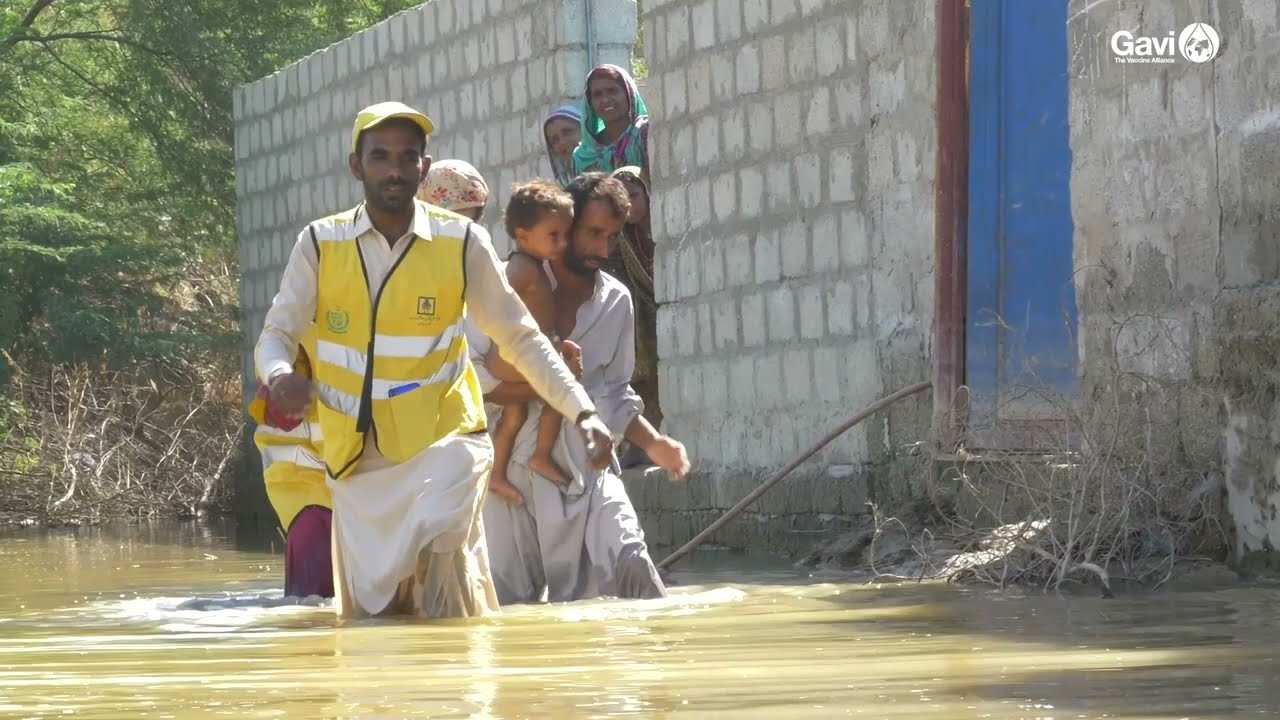
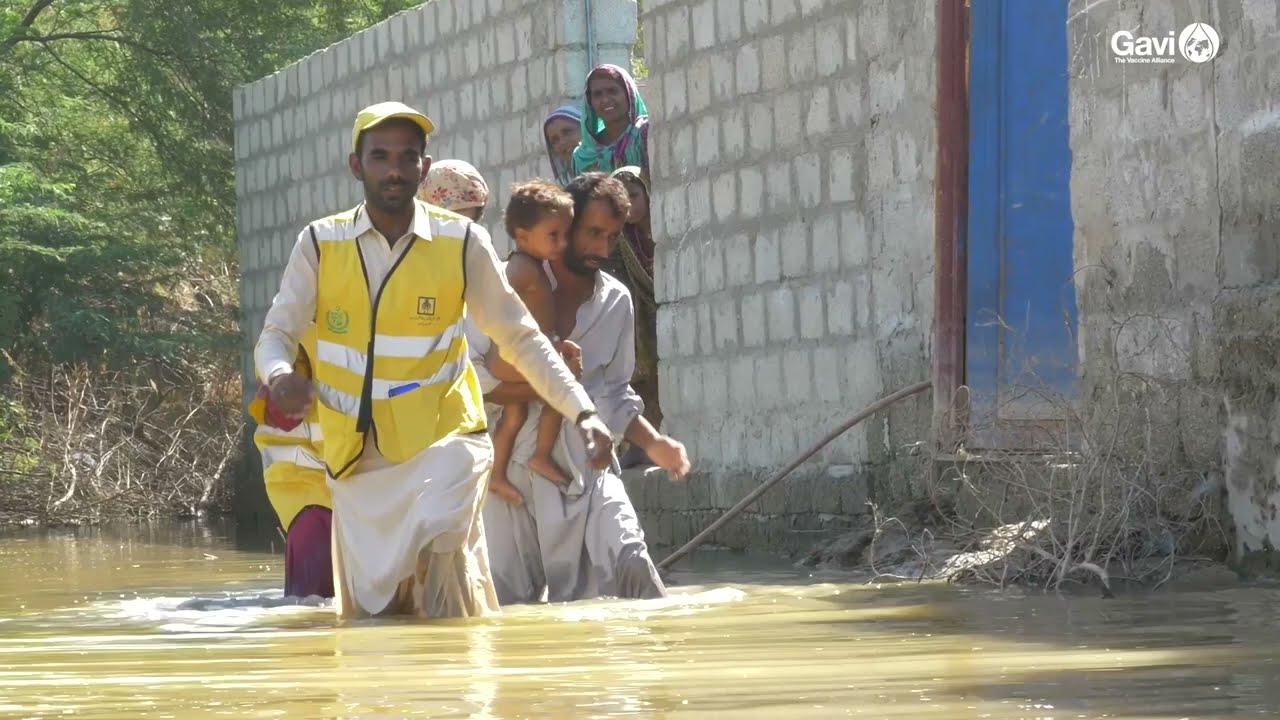
The disease never disappeared. It simply shifted geography. As sanitation and clean water infrastructure improved in higher-income countries, typhoid retreated to low- and middle-income nations where those systems remain unreliable or inaccessible. Estimates place the current burden at ten to twenty million illnesses annually, with roughly 100,000 deaths — the vast majority occurring in places where safe drinking water is not guaranteed.
That scale alone makes it a major global health concern. But the emergence of drug-resistant strains is turning a serious problem into a potentially critical one.
The Rise of Drug-Resistant Typhoid: What the Research Shows
New genetic research on the typhoid bacterium reveals that drug-resistant strains are spreading across southern Asia and beyond, actively replacing older strains that were easier to treat. This isn’t a gradual drift — it’s a competitive displacement, where the resistant versions are winning out.
The concern is that these strains are learning to evade the antibiotics that doctors still depend on. When first-line treatments stop working, clinicians must reach for second- or third-line alternatives — drugs that are often more expensive, harder to access in low-income settings, or carry more side effects. As resistance climbs the ladder of available treatments, the options narrow.
This pattern fits into a much larger global crisis. According to the World Health Organization, drug-resistant infections directly killed approximately 1.2 million people in 2019 and contributed to nearly five million deaths that year — a toll that exceeds HIV and malaria combined.
The Numbers Behind the Threat
| Metric | Figure | Source / Context |
|---|---|---|
| Annual typhoid and paratyphoid illnesses | 10–20 million | Recent global estimates |
| Annual typhoid-related deaths | ~100,000 | Mostly in low- and middle-income countries |
| Deaths directly caused by drug-resistant infections (2019) | ~1.2 million | World Health Organization |
| Deaths contributed to by drug-resistant infections (2019) | ~5 million | World Health Organization — exceeds HIV and malaria combined |
| Primary region of resistant typhoid spread | Southern Asia and beyond | New genetic research on S. Typhi |
These numbers place the typhoid resistance story inside a broader antimicrobial resistance emergency that public health officials have been warning about for years. Typhoid is one chapter in a much longer and more alarming book.
Who Is Most at Risk Right Now
The people most directly at risk are those living in low- and middle-income countries where access to clean water and adequate sanitation is inconsistent. These are also the places where healthcare systems may have limited access to the more expensive or specialized antibiotics needed when standard treatments fail.
Children are historically among the most vulnerable to typhoid, given patterns of exposure and immune response. And in communities where resistant strains have taken hold, a disease that was once straightforward to treat becomes unpredictable and potentially deadly.
Travelers are not immune to this shift either. Typhoid has long been flagged as a travel health risk, and resistant strains don’t respect borders. As drug-resistant versions of the bacterium spread geographically, the risk profile for international travelers changes alongside it.
The broader population in higher-income countries tends to assume typhoid is someone else’s problem. The spread of resistant strains — and the global interconnection that carries pathogens across continents — challenges that assumption directly.
Why Antimicrobial Resistance Makes This Harder to Fight
The typhoid situation illustrates a pattern playing out across many bacterial diseases simultaneously. Antimicrobial resistance isn’t a future threat — it’s an active, measurable crisis already reshaping how medicine works.
When bacteria evolve to resist antibiotics, the pipeline of effective treatments shrinks. Developing new antibiotics is slow, expensive, and commercially unattractive for pharmaceutical companies compared to other drug categories. That mismatch — between how fast resistance evolves and how slowly new treatments arrive — is a structural problem with no easy fix.
For typhoid specifically, vaccines do exist and are considered an important tool, particularly for children in high-burden regions. But vaccine access, coverage, and the ongoing evolution of the pathogen itself all factor into how effective that protection can be at scale.
What Comes Next in the Fight Against Drug-Resistant Typhoid
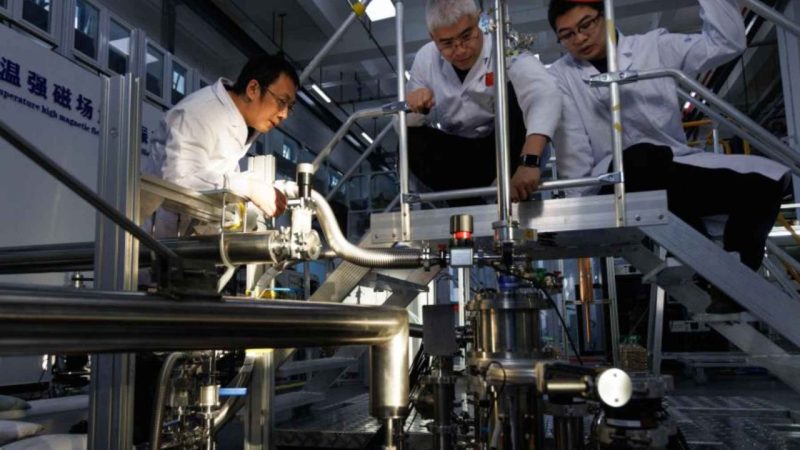
Researchers are continuing to map the genetic spread of resistant Typhi strains to understand how quickly they’re moving and which treatment options remain viable. That kind of genomic surveillance is increasingly central to infectious disease response — it’s how scientists track which strains are dominant and where resistance is heading next.
Public health advocates argue that the longer-term solutions involve investment in sanitation infrastructure, expanded vaccine programs in high-burden countries, and coordinated global action on antimicrobial stewardship — meaning, using the antibiotics that still work more carefully and strategically to slow the pace of resistance.
For now, typhoid fever remains what it has always been: a disease tied to water quality and inequality. What’s changed is that the bacterial strains causing it are becoming harder to treat, and the window for straightforward solutions may be narrowing.
Frequently Asked Questions
What causes typhoid fever?
Typhoid fever is caused by the bacterium Salmonella enterica serovar Typhi, which spreads through contaminated water and food.
How many people does typhoid fever kill each year?
Recent estimates suggest typhoid and paratyphoid fevers cause around 100,000 deaths annually, mostly in low- and middle-income countries.
Where are drug-resistant typhoid strains spreading?
According to new genetic research, drug-resistant strains are spreading across southern Asia and beyond, replacing older strains that were easier to treat.
How serious is the global antimicrobial resistance problem?
The World Health Organization estimates that drug-resistant infections directly killed about 1.2 million people in 2019 and contributed to nearly five million deaths — more than HIV and malaria combined.
Is typhoid fever a risk for travelers?
Typhoid has long been considered a travel health risk, and the spread of drug-resistant strains means the risk profile for international travelers is evolving alongside the bacterium itself.</p



Leave a Reply