
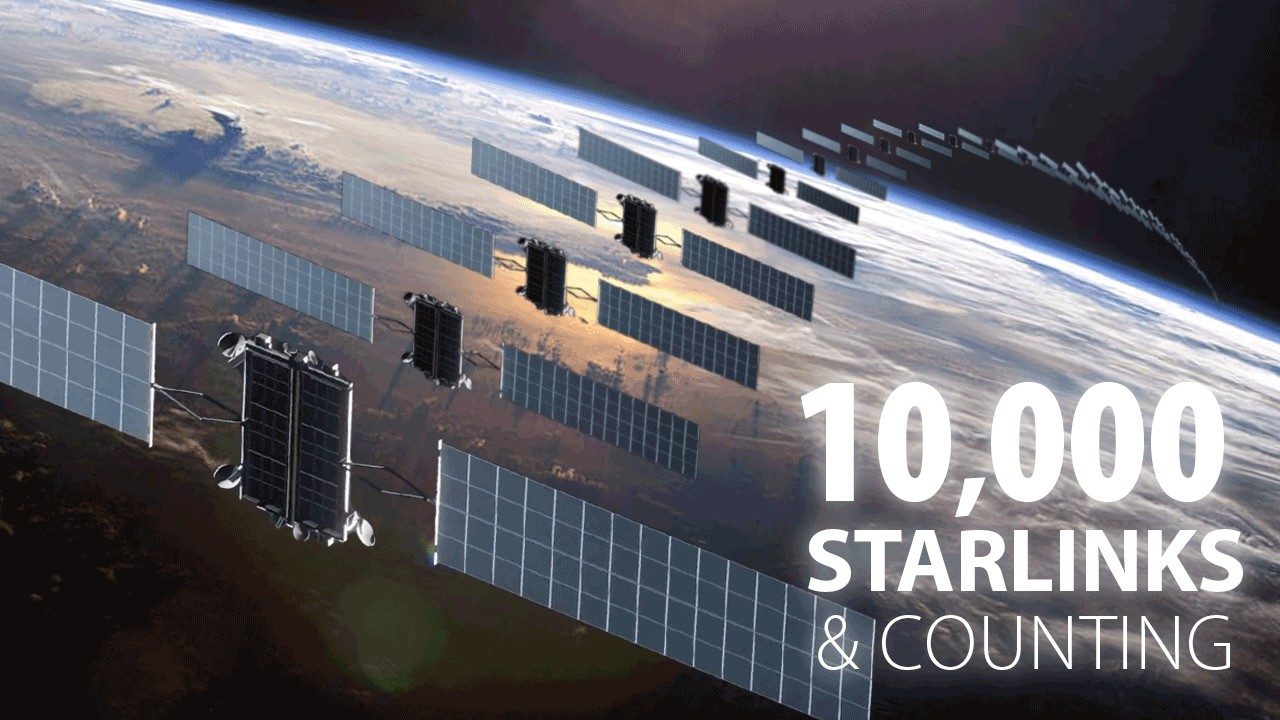
More than 10,000 Starlink satellites now circle the Earth in low orbit — and a war on the ground is forcing a reckoning about who controls them, who can access them, and what that means for the planet above us all.
In early February 2026, Ukraine rolled out a verification system that blocks any unregistered Starlink terminal from operating inside the country. The move was military in its intent, but the story behind it reaches far beyond the front lines. It touches on satellite internet as a weapon of war, the rapid crowding of low Earth orbit, and questions about space sustainability that affect everyone on the planet.
This is not just a tech story or a war story. It is both at once — and the implications are only beginning to unfold.
How Ukraine’s Starlink Whitelist System Actually Works
Ukraine’s Defense Ministry has described the system in straightforward terms. Only verified and registered Starlink terminals are permitted to operate within Ukrainian territory. Any device that has not been cleared is automatically disconnected until it passes through the verification process.
Ukrainian officials say the system is aimed at cutting off access to terminals that Russian forces had reportedly been using. The logic is simple: if satellite internet is a frontline communications tool, then controlling who can use it inside your borders becomes a matter of national security.
On February 5, 2026, Defense Minister Mykhailo Fedorov announced that the first batch of terminals had been placed on the whitelist, marking the formal activation of the filter. The rollout represents one of the first known instances of a government using a satellite provider’s own verification architecture as a direct military countermeasure.
Why Starlink Became a Weapon — and a Target
Satellite internet was never designed to be a battlefield technology. It was built for remote farms, disaster zones, and places where cables never reached. But the war in Ukraine changed that calculus almost immediately after the Russian invasion began.
Starlink terminals became critical infrastructure for Ukrainian forces — used for communications, drone coordination, and command operations in areas where conventional networks had been destroyed. That made the terminals both indispensable and dangerous, depending on whose hands they were in.
The whitelist system is Ukraine’s answer to that danger. Rather than relying on physical seizure of unauthorized devices, the filter works at the network level, making unauthorized terminals functionally useless without ever touching them.
If you have ever lost internet during a storm and felt how quickly that absence becomes a crisis, you have a small sense of what it means when that connection is deliberately severed in a combat zone.
The Bigger Battle: 10,000 Satellites and a Crowded Sky
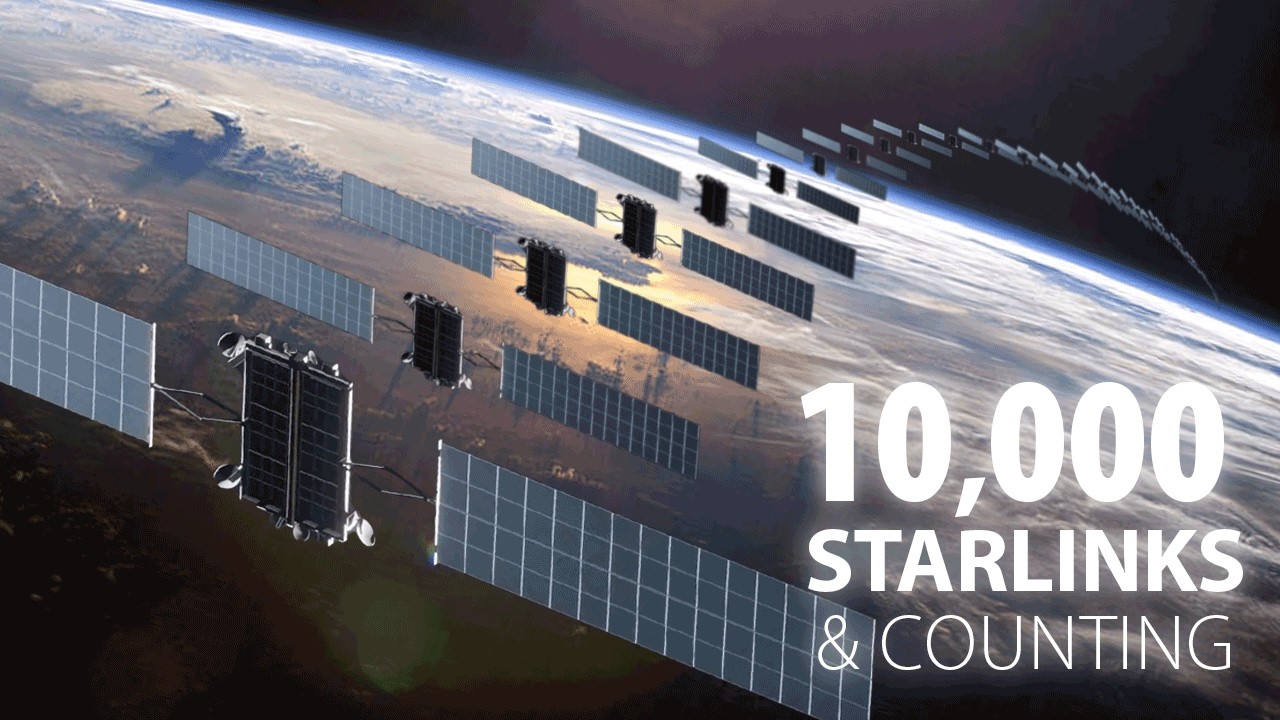
The military drama playing out over Ukraine is unfolding against a backdrop that has its own set of urgent questions. Starlink has now crossed 10,000 active satellites in low Earth orbit — a number that was unthinkable just a decade ago.
That growth is accelerating debates among scientists, astronomers, and environmental researchers about what so many objects in orbit actually mean for the long term. The concerns cluster around several areas:
- Space sustainability: The more objects in low Earth orbit, the greater the risk of collisions and the cascading debris problem known as Kessler Syndrome.
- Atmospheric chemistry: When satellites deorbit and burn up, they release metallic particles into the upper atmosphere. Researchers are still working to understand the cumulative effect of thousands of satellites doing this over time.
- Light pollution: Astronomers have raised consistent concerns about satellite trails interfering with ground-based observations of the night sky.
- Equitable access: The orbital slots and radio frequencies that Starlink occupies are finite resources — and their rapid use raises questions about access for other nations and providers.
The war in Ukraine has accelerated Starlink’s military relevance, which in turn accelerates the pressure to deploy more satellites. That feedback loop makes the sustainability questions more urgent, not less.
What This Means for the People on the Ground
| Group Affected | How They Are Impacted |
|---|---|
| Ukrainian military units | Gain more secure communications by blocking unauthorized terminal access |
| Russian forces (alleged unauthorized users) | Lose access to Starlink connectivity inside Ukrainian-controlled territory |
| Ukrainian civilians | Must register terminals to maintain service — unregistered devices go dark |
| Astronomers and researchers | Face increasing interference from a growing satellite constellation |
| Future satellite operators | Navigate a more crowded orbital environment with fewer available slots |
For ordinary Ukrainians, the practical effect is a registration requirement. If your terminal is not on the whitelist, your connection disappears. The government has framed this as a security necessity, but it also means that access to satellite internet — which for many Ukrainians is the only reliable connection available — now runs through a government verification gate.
For the rest of the world, the implications are slower-moving but arguably just as significant. Every new satellite launched tightens the constraints on orbital space. Every military application of satellite internet raises the stakes around who controls that infrastructure and under what rules.
What Comes Next in This Evolving Standoff
The whitelist system is active, but the broader questions it raises have no clear resolution in sight. Satellite internet has proven itself as a tool of war — that reality is not going away. Other governments are watching how Ukraine’s verification system performs, and it would be surprising if similar approaches were not considered elsewhere.
On the space sustainability side, the pressure is building for international frameworks that can keep pace with the speed of commercial satellite deployment. The existing rules were written for a world with far fewer objects in orbit, and the gap between those rules and current reality grows wider every month.
What is clear is that the 10,000-satellite milestone is not a ceiling. It is closer to a starting point. And the decisions made now — about verification, access, debris, and atmospheric impact — will shape the orbital environment that every future generation inherits.
Frequently Asked Questions
What is Ukraine’s Starlink whitelist system?
It is a verification filter introduced in early February 2026 that automatically blocks any unregistered Starlink terminal from operating inside Ukraine, according to the country’s Defense Ministry.
When did Ukraine activate the Starlink filter?
Defense Minister Mykhailo Fedorov announced on February 5, 2026 that the first batch of terminals had been placed on the whitelist, marking the system’s formal activation.
Why did Ukraine create this system?
Ukrainian officials say the filter is intended to block terminals that Russian forces had allegedly been using, cutting off unauthorized access to Starlink connectivity inside Ukrainian-controlled territory.
How many Starlink satellites are currently in orbit?
According to
What environmental concerns does the Starlink expansion raise?
Researchers have raised concerns about space debris and collision risk, metallic particles released when satellites burn up on reentry, light pollution affecting astronomical observation, and the finite nature of orbital slots and radio frequencies.
Does this affect civilian Starlink users in Ukraine?
Yes — any terminal that has not been verified and registered with the Ukrainian system is automatically disconnected, meaning civilian users with unregistered devices lose access until they are cleared.



Leave a Reply