
Continents are losing enough fresh water every year to meet the needs of 280 million people — and the damage, in many cases, is already irreversible. That is not a projection. It is happening right now, on every continent where humans live.
In January, the United Nations released a report using language that should stop anyone in their tracks: “global water bankruptcy.” The phrase means what it sounds like. Humanity has been drawing down its freshwater reserves — rivers, lakes, underground aquifers — faster than they can recover, and in some systems, the overdraft has gone too far to fix.
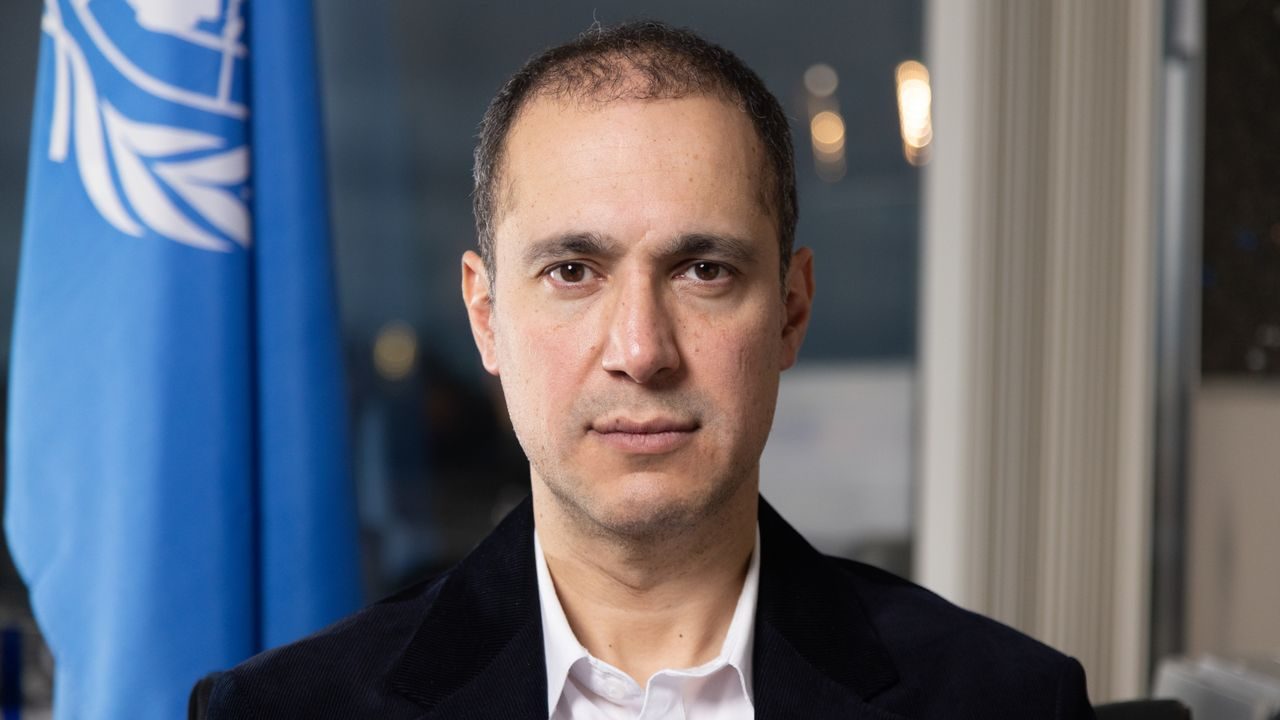
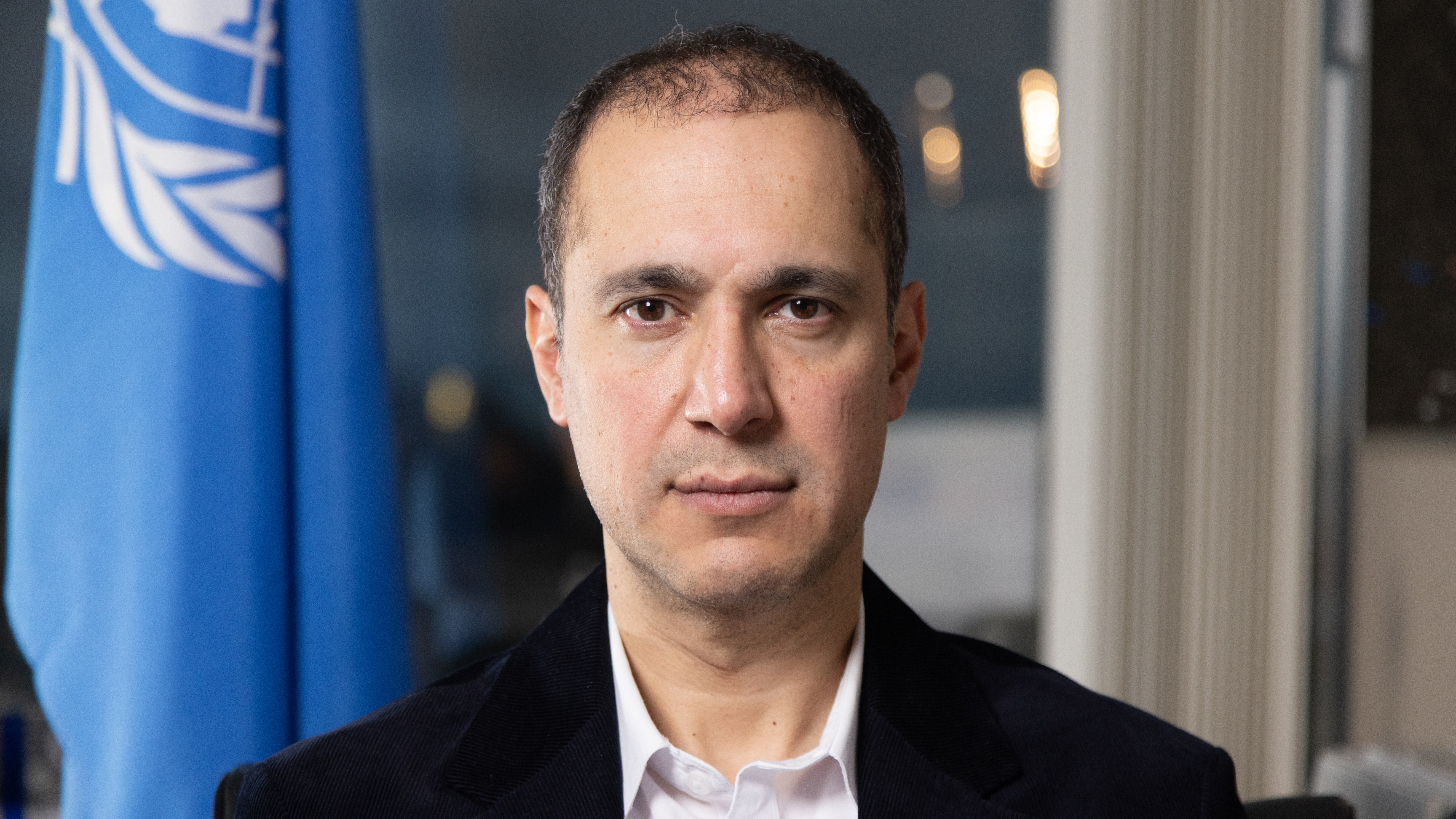
The scientist behind that report is Kaveh Madani, director of the United Nations University and recipient of the 2026 Stockholm Water Prize. His work sits at the intersection of hydrology, policy, and a kind of urgent moral reckoning about how the world treats its most essential resource.
What “Water Bankruptcy” Actually Means
The term is deliberate. Madani and his UN colleagues chose “bankruptcy” because it captures something that words like “scarcity” or “stress” do not: the point of no return. When a person or company goes bankrupt, the damage is not just temporary cash flow trouble — the underlying system has collapsed. That is the analogy being drawn here.
Humans have been depleting Earth’s fresh water in two primary ways: pumping groundwater faster than rainfall can replenish it, and diverting rivers until they run dry before reaching the sea. Both practices have accelerated with population growth, industrial agriculture, and expanding cities. The result is that some freshwater systems have been permanently altered — not just strained, but structurally broken.
What makes this particularly alarming is the geographic scope. This is not a regional problem confined to arid zones or developing nations. According to the UN report, water bankruptcy is manifesting on every continent where humans are present.
The Scale of the Crisis, by the Numbers
Here is what the confirmed data shows:
| Indicator | Detail |
|---|---|
| Annual water loss | Enough to meet the needs of 280 million people per year |
| Geographic reach | Every continent where humans are present |
| UN report release | January 2025 |
| Report author | Kaveh Madani, director of the United Nations University |
| Madani’s recognition | Recipient of the 2026 Stockholm Water Prize |
| Primary depletion methods | Groundwater pumping and river diversion |
The 280 million figure is worth sitting with for a moment. That is roughly the population of the United States. Every single year, the world is burning through that much water permanently — water that will not cycle back into usable freshwater systems within any human timescale.
Who Kaveh Madani Is — and Why He’s Speaking Out
Madani is described as an exiled Iranian scientist, a detail that carries weight. He has spent years working at the intersection of water science and political systems, and his work at the United Nations University gives him a platform to translate research into policy language that governments can act on.
Winning the 2026 Stockholm Water Prize — one of the most prestigious honors in global water science — reflects the international community’s recognition that the problem he has been documenting is real, urgent, and demands serious attention. The Stockholm Water Prize is awarded annually to an individual or organization that has made outstanding contributions to the conservation and protection of water resources.
His work is not just academic. The UN report he authored is a direct call to policymakers, industries, and individuals to reckon with how water is being used, wasted, and destroyed — and to act before more systems cross the point of no return.
Why This Affects You, Wherever You Live
It is tempting to think of water crises as problems that happen somewhere else — in drought-stricken regions of Africa, in the shrinking rivers of Central Asia, in the depleted aquifers of the American Southwest. But the UN report’s framing pushes back hard against that assumption.
When freshwater systems fail, the consequences ripple outward in ways that touch everyone. Food prices rise as agricultural regions lose irrigation water. Energy systems strain as hydropower reservoirs drop. Migration increases as communities lose access to safe drinking water. And once an aquifer is depleted or a river system is permanently altered, no amount of policy reversal brings it back quickly.
- Groundwater pumped from deep aquifers can take centuries or millennia to recharge naturally
- Rivers that have been rerouted or drained often cannot sustain their original ecosystems even if flows are restored
- Communities built around water systems that no longer function reliably face displacement and economic collapse
- Global food supply chains are deeply dependent on freshwater irrigation, meaning regional water failures become international food security problems
What Needs to Happen — and What Comes Next
The UN report does not frame water bankruptcy as inevitable everywhere. The point of naming the crisis so starkly is to create urgency around prevention — to stop more systems from crossing the threshold that others already have.
That means rethinking how water is priced, allocated, and protected at every level of government and industry. It means treating groundwater as a finite resource rather than a free commodity. It means rebuilding the political will to enforce protections on rivers and wetlands that currently exist only on paper in many countries.
Madani’s recognition with the Stockholm Water Prize in 2026 signals that the scientific and policy communities are paying attention. Whether governments follow is the open question — and the answer will determine how many more freshwater systems tip into irreversible bankruptcy before the world changes course.
Frequently Asked Questions
What is “global water bankruptcy”?
It is a term used in a January 2025 UN report to describe the point at which freshwater systems have been so severely depleted that the damage is irreversible — not just strained, but permanently broken.
Who is Kaveh Madani?
Kaveh Madani is an exiled Iranian scientist, director of the United Nations University, and the author of the UN report on global water bankruptcy. He is the recipient of the 2026 Stockholm Water Prize.
How much water is the world losing each year?
According to
Is this problem limited to certain regions?
No. The UN report states that water bankruptcy is manifesting on every continent where humans are present, making it a truly global crisis.
What are the main causes of freshwater depletion?
The two primary drivers identified are the pumping of groundwater faster than it can be replenished, and the diversion of rivers until they run dry.
Can water bankruptcy be reversed?
In systems that have already crossed the threshold, the damage is described as irreversible. The focus of the UN report is on preventing more systems from reaching that point through urgent policy and behavioral change.



Leave a Reply