
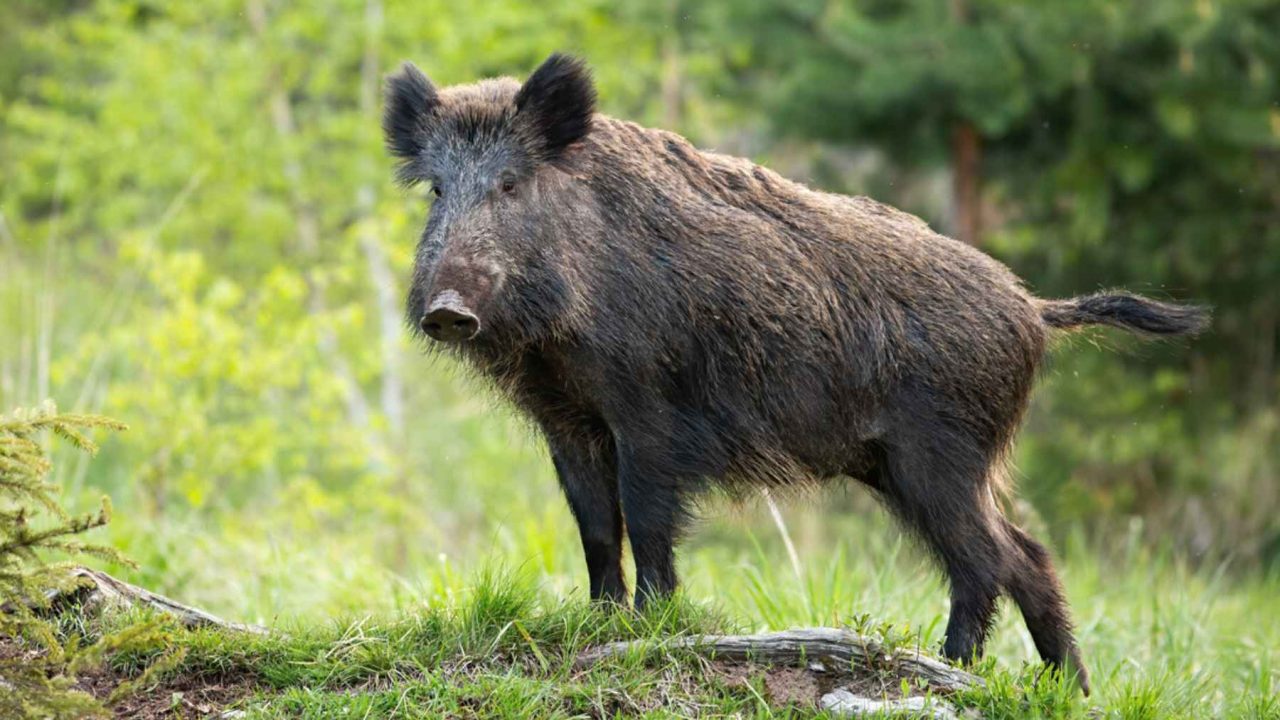
Wild boars rooting up a city park or trotting across a bike path might look like a random animal wandering in from the woods. But new genetic research suggests something far more significant is happening beneath the surface — and it changes everything about how cities should respond.
According to emerging scientific work, urban wild boar populations in cities like Berlin and Barcelona are already genetically distinct from the rural boars living in nearby forests. These are not just occasional visitors passing through. In some cases, they are becoming their own separate urban group — a population shaped by city life itself.
That single finding flips the conventional wisdom about urban wildlife management on its head. If city boars are becoming a distinct population, then simply chasing them back toward the forest — or assuming the problem will resolve itself — may no longer be a realistic strategy.
How Wild Boars Became City Residents
The story of wild boars in European cities is, at its core, a story about habitat. As urban areas expanded outward over recent decades, they absorbed wooded edges, green corridors, and park systems that were once purely rural territory. Wild boars, which are highly adaptable and opportunistic feeders, recognized the opportunity.
Parks, wooded urban fringes, and green belts gradually became long-term shelter for these large mammals. What began as occasional sightings evolved into stable, year-round urban populations — particularly in cities like Berlin and Barcelona, where green space is woven throughout the urban fabric.
For city residents, the shift has felt abrupt and personal. A rooted-up lawn, a boar crossing a playground, or an animal standing in the middle of a bike path is not an abstract ecological statistic. It is a direct, sometimes alarming, encounter with a large wild animal that was not supposed to be there.
But the genetics tell a longer, slower story. These animals have not just wandered in — in some cities, they have been quietly settling in for long enough that their gene pools are beginning to diverge from those of rural populations.
What the Genetics Actually Show
The core finding from recent genetic research is straightforward but striking: urban wild boar populations in Berlin and Barcelona show clear genetic differences from their rural counterparts. Some animals still move between urban and rural environments, maintaining a degree of genetic exchange, but the urban groups have developed enough of their own identity to be considered distinct.
This matters because wildlife managers have long operated under an assumption that urban animals are essentially the same as rural ones — temporary visitors that could be managed with the same tools and policies. Genetic divergence challenges that assumption directly.
If urban boars are becoming their own population, then the pressures shaping them — the food sources, the social dynamics, the threats they face — are increasingly urban pressures, not forest ones. Managing them effectively requires understanding that distinction.
The Practical Question Every City Now Has to Answer
The research raises a question that city officials and wildlife managers across Europe will increasingly need to confront: when a boar appears near a school or a residential street, is it a local urban resident or a forest animal that wandered in?
The answer has real consequences for policy. Consider the difference between these two scenarios:
| Scenario | Animal Type | Management Implication |
|---|---|---|
| Boar spotted near playground | Forest visitor passing through | Redirect or deter back toward rural habitat |
| Boar spotted near playground | Established urban resident | Requires long-term urban population strategy |
| Repeated sightings in same area | Genetically distinct urban group | Deterrence alone is unlikely to resolve the issue |
| Single rare sighting | Rural animal exploring new territory | Standard wildlife response may be sufficient |
Without genetic data, cities are essentially guessing — and that guesswork shapes policies that affect both public safety and animal welfare.
Why This Changes the Way Cities Need to Act
Urban wildlife management has traditionally been reactive. An animal appears, officials respond, the situation is handled. But the emergence of genetically distinct urban populations suggests that a more structural, long-term approach is needed.
Cities that already have stable urban boar populations — as Berlin and Barcelona appear to — are no longer dealing with a wildlife incursion. They are dealing with urban wildlife coexistence, whether they have chosen to frame it that way or not.
That shift carries implications across several areas:
- Monitoring: Cities need ongoing tracking of where boars are living and moving, not just responses to individual incidents
- Public communication: Residents deserve accurate information about whether boars in their area are transient or established
- Policy design: Management strategies built around forest-dwelling animals may not translate effectively to genetically distinct urban populations
- Green space planning: Urban parks and wooded corridors that attract boars may need to be designed or managed with that reality in mind
The presence of some continued movement between urban and rural populations adds another layer of complexity. Even where genetic divergence is occurring, it is not total — meaning cities cannot treat their boar populations as entirely isolated from the surrounding landscape.
What Comes Next for Urban Boar Management
The genetic research points toward a future where cities will need to think about urban wild boars the way they think about other permanent features of urban ecosystems — not as temporary problems to be eliminated, but as populations to be understood and managed over time.
That does not mean accepting every safety risk or ignoring the very real disruptions these animals can cause. It means building management frameworks that reflect the actual biology of what is happening, rather than assumptions rooted in an era when boars stayed in the forest and cities stayed in the city.
For now, the clearest takeaway from the research is this: the next time a boar turns up near a playground in Berlin or a bike path in Barcelona, there is a real possibility it is not a visitor at all. It may already be home.
Frequently Asked Questions
Are urban wild boars in Berlin and Barcelona actually different from forest boars?
Yes, according to genetic research, urban wild boar populations in both cities show clear genetic differences from their rural counterparts, suggesting they are becoming distinct groups over time.
Do urban boars ever mix with rural boar populations?
Some movement between urban and rural environments does still occur, maintaining a degree of genetic exchange, but the urban groups have developed enough distinctiveness to be considered separate populations.
Why does genetic divergence matter for city wildlife management?
If urban boars are becoming their own population shaped by city conditions, then management strategies designed for forest-dwelling animals may not work effectively — cities need approaches tailored to urban populations specifically.
Which cities have established urban wild boar populations?
Is a boar near a playground always a local urban resident?
Not necessarily — some animals still move between forests and cities. Without genetic tracking data, it is difficult to determine whether a given sighting involves an established urban animal or a rural visitor passing through.
What should cities do differently in response to this research?
Researchers suggest cities need longer-term, more structural management strategies — including ongoing population monitoring, updated public communication, and wildlife policies that account for genetically distinct urban boar groups rather than treating every sighting as a one-off incident.

Leave a Reply