
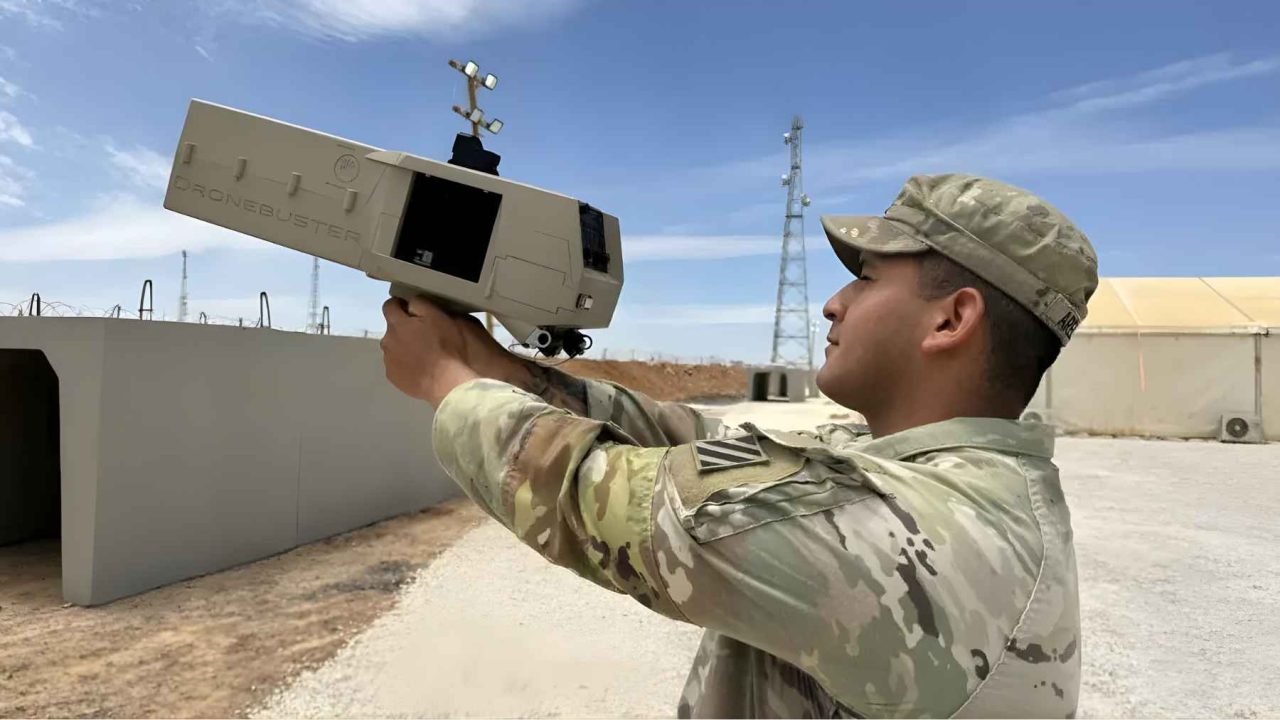
While millions of soccer fans are focused on match schedules and ticket prices for the 2026 FIFA World Cup, federal officials are watching something else entirely — the sky above the stadiums. The United States Department of Homeland Security is finalizing a $115 million investment in anti-drone technology, a move driven by two massive events converging in the same year: the World Cup and the country’s 250th anniversary celebrations.
This is not a single device or a classified secret weapon. According to official federal documents, what’s being built is a layered system of tools designed to detect, track, identify, and, when necessary, stop suspicious drones before they get anywhere near crowded venues or critical infrastructure.
The threat is real, and officials are moving with unusual speed to meet it.
Why the U.S. Is Treating Drones as a National Security Priority Right Now
Drones have evolved faster than the laws and systems meant to govern them. What was once a hobbyist toy has become a genuine security concern at the highest levels of government — capable of carrying cameras, disrupting communications, or worse.
The 2026 FIFA World Cup is one of the largest sporting events on Earth, drawing hundreds of thousands of visitors to venues across the United States. Pair that with celebrations marking 250 years of American independence, and you have a concentration of high-profile, high-attendance events that present exactly the kind of target security agencies lose sleep over.
DHS Secretary Kristi Noem has described drones as “the new frontier of American air superiority,” signaling that this is not being treated as a niche technical problem — it’s a strategic priority.
What the $115 Million Anti-Drone Investment Actually Covers
The funding is close to being finalized, according to DHS, and it is aimed at deploying counter-drone capabilities across the department’s missions. But what does that actually mean in practice?
Federal documents describe the investment as a layered package of technologies rather than one single solution. The goal is to cover the full lifecycle of a drone threat:
- Detection: Identifying when an unauthorized drone enters a restricted area
- Tracking: Following the drone’s movement in real time
- Identification: Determining whether the drone poses an actual threat
- Interdiction: In some cases, physically stopping or disabling the drone before it can cause harm
This kind of multi-layered approach reflects how seriously officials are taking the problem. A single detection system is not enough — by the time a threat is spotted, it may already be too late to respond without a broader set of tools already in place.
The New Office Built Specifically for This Threat
One of the most telling signs of how seriously DHS is taking this is the creation of an entirely new government office dedicated to the problem. In January, DHS announced the launch of the Program Executive Office for Unmanned Aircraft Systems and Counter-Unmanned Aircraft Systems.
The office was built with a specific purpose: to speed up procurement and deployment of drone and counter-drone systems across the department. In government terms, creating a dedicated office signals long-term institutional commitment — this is not a one-event fix.
Officials say the office will handle both sides of the drone equation: dealing with hostile or unauthorized drones, while also supporting the beneficial use of drone technology within DHS operations.
| Element | Detail |
|---|---|
| Investment Amount | $115 million (near finalization) |
| Lead Agency | Department of Homeland Security (DHS) |
| New Office Launched | Program Executive Office for UAS and C-UAS (January 2026) |
| Office Purpose | Speed up procurement and deployment of drone and counter-drone systems |
| Primary Events Protected | 2026 FIFA World Cup and U.S. 250th Anniversary |
| Technology Approach | Layered system: detection, tracking, identification, interdiction |
What This Means for People Attending These Events
For fans heading to World Cup matches or anniversary celebrations, the most visible signs of heightened security will probably be the familiar ones — longer lines, additional checkpoints, a stronger law enforcement presence outside gates.
What most people won’t see is the infrastructure overhead. Counter-drone systems are largely invisible to the public. Sensors, tracking software, and response teams operate in the background, watching airspace that most attendees never think about.
That invisibility is partly the point. Officials want these events to feel safe and celebratory, not militarized. The goal of the technology investment is to handle threats before they ever become visible to the crowd below.
There is also a broader implication for anyone who owns or flies a drone recreationally. Restrictions around major event venues are expected to be strict, and the systems being deployed are designed to identify and respond to unauthorized aircraft quickly. Flying a personal drone near a World Cup stadium — even innocently — is likely to trigger an immediate response.
What Comes Next as the Events Approach
The $115 million investment is described as close to being finalized, meaning the procurement and deployment process is actively underway rather than still in the planning stages. With the 2026 FIFA World Cup and the 250th anniversary celebrations both on the calendar, the timeline for getting these systems operational is not flexible.
The newly created DHS office is designed to accelerate exactly this kind of deployment. By centralizing procurement and cutting through the bureaucratic friction that typically slows government technology adoption, officials are betting they can get effective counter-drone coverage in place before the crowds arrive.
Whether the investment proves sufficient will depend on how the threat environment evolves between now and the events. What is clear is that the federal government has decided the risk is serious enough to spend $115 million and build a permanent new office around it — and that decision alone says something significant about how much the drone threat has changed in a very short time.
Frequently Asked Questions
How much is the U.S. spending on anti-drone technology for the 2026 World Cup?
DHS says a $115 million investment in drone and counter-drone systems is close to being finalized, covering missions that include protecting the 2026 FIFA World Cup and the U.S. 250th anniversary.
What agency is leading the counter-drone effort?
The Department of Homeland Security is leading the effort, and in January 2026 it launched a new dedicated office — the Program Executive Office for Unmanned Aircraft Systems and Counter-Unmanned Aircraft Systems — to manage procurement and deployment.
What does the anti-drone technology actually do?
According to federal documents, it is a layered system covering detection, tracking, identification, and in some cases physical interdiction of suspicious drones near stadiums, crowds, or critical infrastructure.
Who described drones as “the new frontier of American air superiority”?
DHS Secretary Kristi Noem used that phrase when discussing the department’s approach to the growing drone threat.
Will attendees at World Cup matches notice the counter-drone systems?
Most counter-drone technology operates out of public view. Fans are more likely to notice traditional security measures like checkpoints and law enforcement presence than the overhead monitoring systems.</p



Leave a Reply