
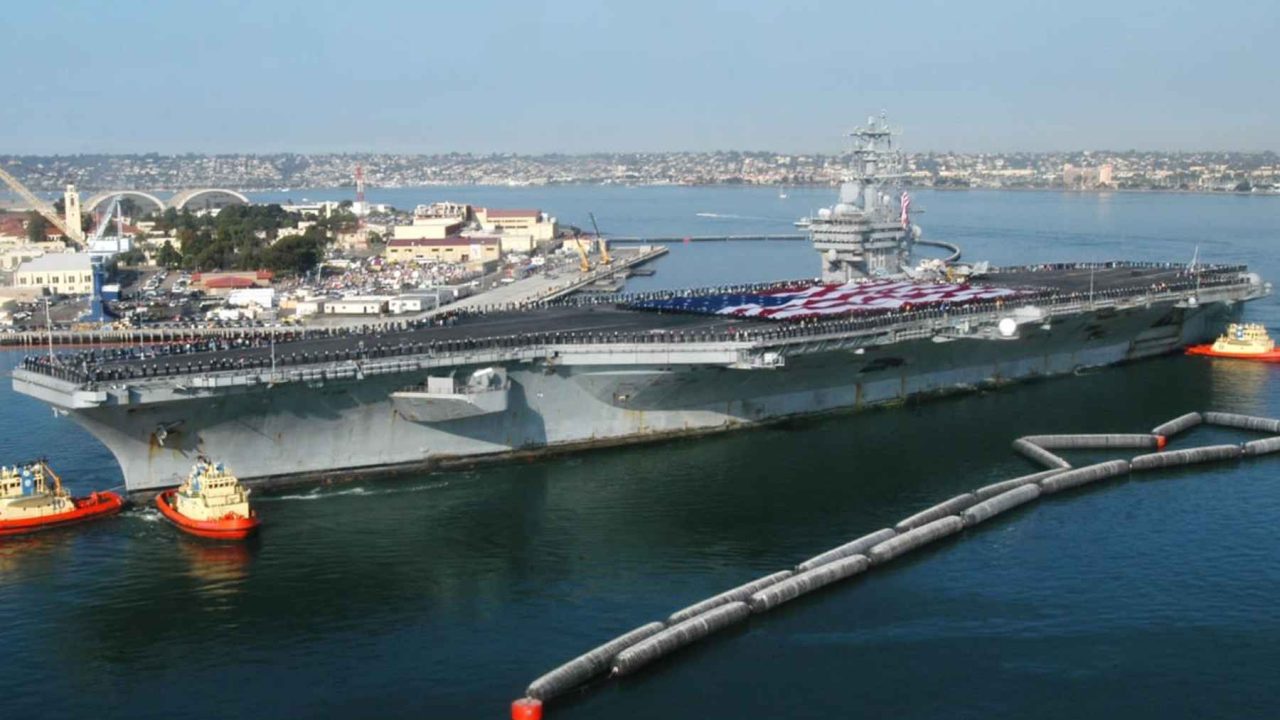
Some 6,000 people are about to float into Panamanian waters aboard one of the most powerful vessels ever built — and not everyone is thinking about military strategy. The USS Nimitz, a nuclear-powered aircraft carrier, is scheduled to arrive in Panama between March 29 and April 2, 2026, alongside the guided-missile destroyer USS Gridley. The visit is part of a broader U.S. Navy deployment called Southern Seas 2026, but the arrival has sparked a conversation that goes well beyond geopolitics: what does a floating airbase actually do to the ocean around it?
That question matters more than it might first appear. Panama’s coastal waters sit at one of the busiest maritime crossroads on the planet. Adding a vessel the size of a small city — even briefly — puts measurable pressure on an already stressed marine environment. Noise, waste, and emissions are all part of the picture.
At the same time, supporters of the deployment point to a less obvious upside. Military cooperation exercises like Southern Seas 2026 can sharpen the patrol skills of partner navies, skills that are sometimes turned toward protecting fisheries and marine habitats. The story here is genuinely two-sided.
What Southern Seas 2026 Actually Is
Southern Seas 2026 is a U.S. Navy deployment organized by U.S. Naval Forces Southern Command and U.S. Fourth Fleet. The mission sends USS Nimitz and USS Gridley to operate alongside partner navies while circumnavigating South America, with planned port visits including the stop in Panama.
Rear Adm. Carlos Sardiello described the deployment as
“a unique opportunity to enhance interoperability”
across the maritime domain. In plain language, that means the exercise is designed to help U.S. forces and allied navies work together more smoothly — coordinating communications, joint patrols, and shared procedures.
Port visits like this one are standard elements of such deployments. They allow for resupply, crew rest, and diplomatic engagement with host nations. Panama’s maritime authorities have confirmed the arrival window of March 29 through April 2.
The USS Nimitz: Key Facts About the Ship Arriving in Panama
The Nimitz is not a typical warship. It is one of the largest military vessels in the world, and understanding its scale helps explain why its arrival generates environmental as well as strategic discussion.
| Detail | Information |
|---|---|
| Ship name | USS Nimitz |
| Ship type | Nuclear-powered aircraft carrier |
| Personnel on board | Approximately 6,000 |
| Accompanying vessel | USS Gridley (guided-missile destroyer) |
| Arrival window | March 29 – April 2, 2026 |
| Deployment name | Southern Seas 2026 |
| Organizing commands | U.S. Naval Forces Southern Command, U.S. Fourth Fleet |
| Broader mission | Circumnavigation of South America with partner navies |
Carrying roughly 6,000 people, the Nimitz functions more like a small city than a ship. That scale is precisely what raises environmental questions during port calls in ecologically sensitive regions.
The Environmental Side of the Story Most Reports Skip
Security coverage of military deployments tends to focus on strategy and diplomacy. The environmental dimension gets far less attention — but it is real, and Panama’s coastal waters make it particularly relevant.
When a vessel of this size enters coastal waters, three broad categories of environmental concern come into play:
- Noise: Large military ships generate significant underwater noise, which can disrupt marine mammals, fish communication, and migratory behavior in surrounding waters.
- Waste: Supporting 6,000 personnel generates substantial waste streams. Even with strict protocols, the management of wastewater, solid waste, and gray water during port operations draws scrutiny in environmentally sensitive zones.
- Emissions: While the Nimitz itself is nuclear-powered and produces no direct exhaust from propulsion, the carrier group’s supporting vessels, aircraft operations, and auxiliary systems all contribute emissions during active port calls.
These are not hypothetical concerns invented for this visit. They are documented challenges associated with large naval vessels operating near populated coastlines and marine ecosystems anywhere in the world.
Why Panama’s Waters Make This More Than a Routine Port Call
Panama sits at a uniquely sensitive point on the map. Its coastal and offshore waters support rich marine biodiversity, and the Panama Canal zone is already one of the most heavily trafficked maritime corridors on Earth. Layering a carrier strike group visit on top of existing commercial shipping traffic concentrates pressure on an ecosystem that is already working hard.
Advocates for marine conservation often note that even short-duration events can have lasting effects on local wildlife if they coincide with sensitive periods — spawning seasons, migratory windows, or times when noise-sensitive species are most active in an area.
On the other side of the argument, officials and supporters of the Southern Seas 2026 deployment point out that joint military exercises build practical capacity among partner navies. That capacity, they argue, translates into better enforcement of maritime laws — including those that protect fisheries from illegal fishing and marine habitats from unregulated exploitation.
Both perspectives carry weight. The ocean is, as observers have noted, a busy place — and every large vessel adds to the cumulative pressure on it, regardless of the flag it flies.
What Happens During and After the Visit
Based on what has been confirmed, the USS Nimitz and USS Gridley are expected to remain in Panamanian waters from March 29 through April 2, 2026. After the Panama stop, the broader Southern Seas 2026 deployment continues, with the carrier group operating with partner navies as it circumnavigates South America.
No specific details about port activities, crew shore leave arrangements, or formal bilateral meetings during the Panama stop have been confirmed in available reporting. What is confirmed is that Panama’s maritime authorities are aware of and have acknowledged the scheduled arrival.
The environmental questions raised by the visit — noise, waste, emissions — are unlikely to be resolved by a single port call in either direction. They are part of a longer conversation about how military operations and environmental stewardship intersect, particularly in ecologically important regions like Panama’s Pacific and Caribbean coastlines.
Whether this visit ultimately leaves a net positive or negative mark on the surrounding marine environment will depend on factors that are not yet publicly documented — including what specific protocols the U.S. Navy applies during the port call and how closely Panamanian authorities monitor compliance.
Frequently Asked Questions
When is the USS Nimitz arriving in Panama?
Panama’s maritime authorities have confirmed the USS Nimitz is scheduled to arrive between March 29 and April 2, 2026.
How many people are on board the USS Nimitz during this visit?
The carrier is reported to have approximately 6,000 people on board for the port call.
What is Southern Seas 2026?
It is a U.S. Navy deployment organized by U.S. Naval Forces Southern Command and U.S. Fourth Fleet, involving the USS Nimitz and USS Gridley operating with partner navies while circumnavigating South America.
What environmental concerns have been raised about the visit?
Observers have flagged potential concerns about underwater noise, waste management, and emissions associated with operating a vessel of this scale in Panama’s coastal waters.
Is the USS Nimitz nuclear-powered?
Yes, the USS Nimitz is a nuclear-powered aircraft carrier, which means its propulsion system does not produce direct exhaust — though other emissions from aircraft operations and supporting systems remain a consideration.
Will the visit have any positive environmental impact?
Supporters of the deployment argue that joint military exercises can strengthen partner navies’ ability to enforce maritime laws, including protections for fisheries and marine habitats, though specific outcomes have not been confirmed.



Leave a Reply