
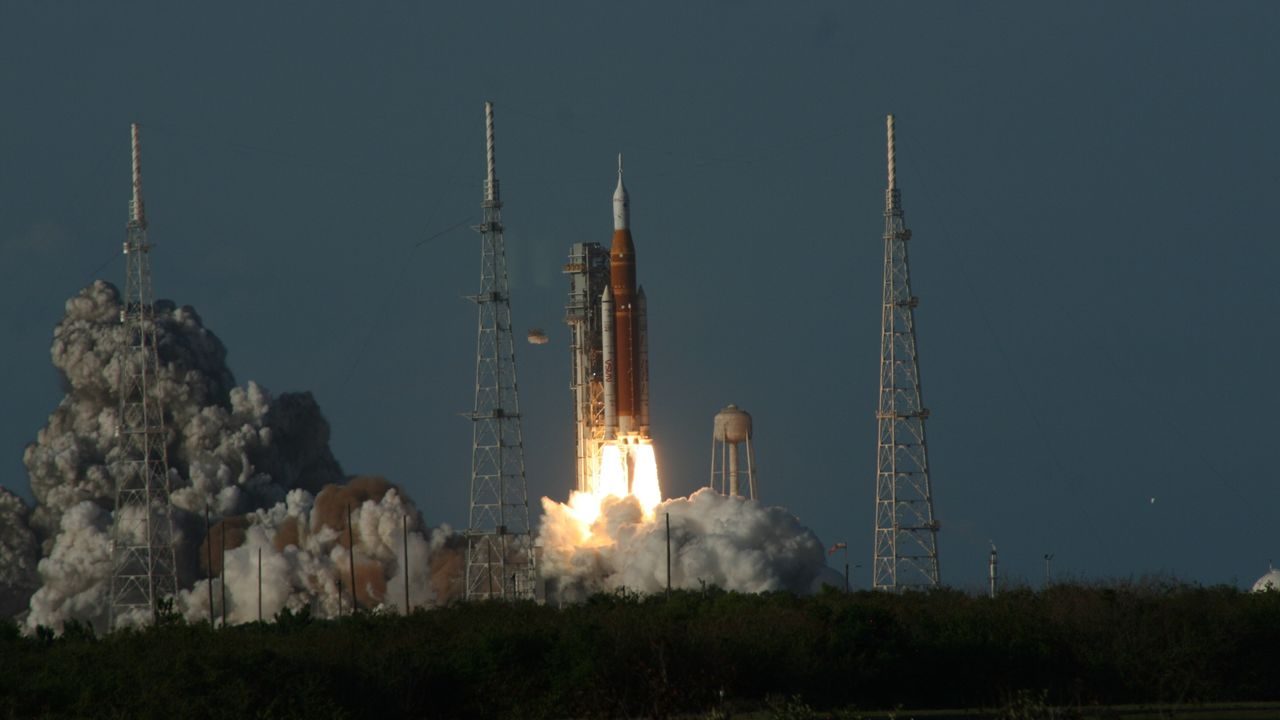
Nearly 100 rocket launches over nearly five decades — and yet, nothing quite prepared veteran space writer Roger Guillemette for what he witnessed on Wednesday, April 1, at NASA’s Kennedy Space Center. The Artemis II launch, which sent four humans aboard NASA’s Space Launch System (SLS) rocket toward the moon, was unlike anything he had experienced in a long career covering humanity’s reach into space.
That kind of reaction, from someone who has stood on the ground at close to a hundred launches since 1975, says something powerful about the moment. Artemis II is not just another rocket launch. It is the first crewed mission to travel to the vicinity of the moon in more than half a century — and for those who were there to witness it, the weight of history was impossible to ignore.
Guillemette was on the ground at the KSC press site, reporting live for Live Science, when the SLS lifted off. What he described was a palpable excitement unlike anything he had experienced across his many years of covering space exploration.
What Artemis II Actually Is — and Why It Matters
Artemis II is NASA’s first crewed lunar mission under the Artemis program, the agency’s long-running effort to return humans to the moon. The mission carries four astronauts aboard the Orion spacecraft, launched atop NASA’s massive Space Launch System rocket — the most powerful rocket NASA has ever built and flown with crew aboard.
The significance of the moment is hard to overstate. The last time human beings traveled to the vicinity of the moon was during the Apollo era. Artemis II marks the return of crewed deep-space exploration after a gap of more than 50 years. For the space community, for NASA, and for the thousands of people gathered at Kennedy Space Center on launch day, this was not a routine event.
The atmosphere at the KSC press site reflected that. According to Guillemette, who has covered launches stretching back to 1975, the energy surrounding Artemis II was unlike what he had felt at any previous launch — a remarkable statement from someone who has seen nearly a century’s worth of rockets leave the ground.
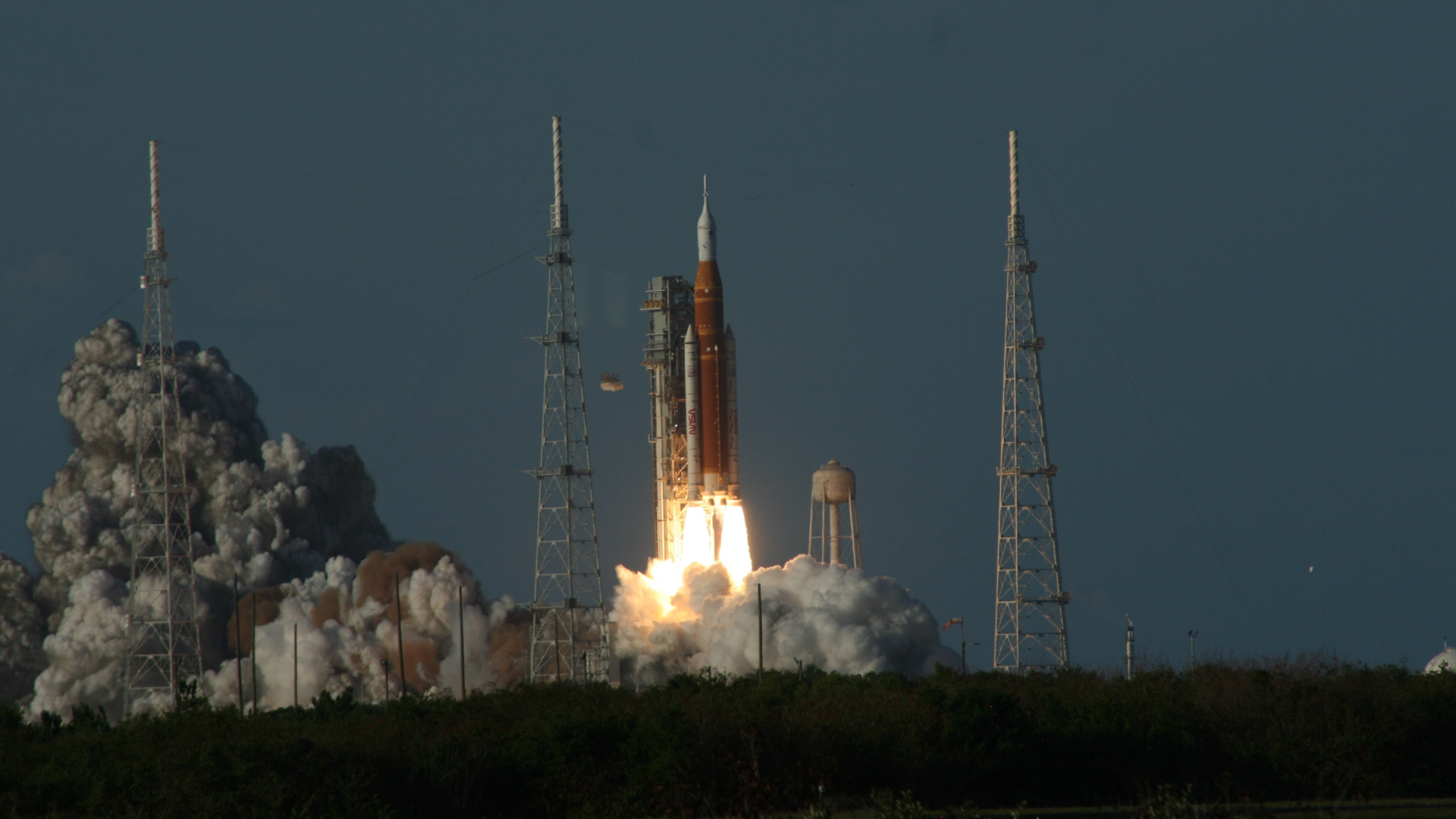
A Launch Seen Through the Eyes of a Nearly 50-Year Veteran
Roger Guillemette’s perspective carries unusual weight precisely because of the scale of his experience. Most people will never see a single rocket launch in person. Guillemette has seen close to 100. That breadth of experience means he has a reference point almost no one else on the planet has — and his reaction to Artemis II speaks volumes.
He was stationed at the Kennedy Space Center press site for the April 1 liftoff, one of the designated viewing areas for journalists covering the mission. The press site offers a direct line of sight to the launch pad, and on a clear day, the scale of the SLS rocket is visible long before ignition.
What struck Guillemette was not just the visual spectacle — though the SLS is an enormous vehicle by any measure — but the emotional atmosphere surrounding the event. The excitement was palpable, he reported, in a way that set this launch apart from the many others he had documented over the decades.
Key Facts About the Artemis II Mission
| Detail | Information |
|---|---|
| Launch Date | Wednesday, April 1 |
| Launch Location | NASA’s Kennedy Space Center (KSC) |
| Rocket | NASA’s Space Launch System (SLS) |
| Crew | Four humans |
| Destination | The moon (lunar vicinity) |
| On-Site Reporter | Roger Guillemette, freelance space writer |
| Reporter’s Launch Experience | Close to 100 launches since 1975 |
- Artemis II is a crewed mission, making it historically distinct from the uncrewed Artemis I test flight
- The SLS rocket carried four astronauts aboard the Orion spacecraft
- Kennedy Space Center’s press site provided direct viewing access for journalists on the ground
- The launch took place on April 1, with live coverage provided by reporters including Guillemette for Live Science
Why This Launch Felt Different From All the Others
There is a tendency to treat rocket launches as spectacle — bright light, loud noise, a column of fire rising into the sky. For casual observers, one launch can feel much like another. But for people like Guillemette, who have made a career of standing at the edge of launch pads and watching history unfold, the differences between missions are deeply felt.
Artemis II carries something the vast majority of launches in the past 50 years have not: human beings bound for deep space. That distinction changes everything about the emotional texture of a launch day. The four crew members aboard Orion are not heading to the International Space Station in low Earth orbit. They are heading toward the moon — farther from Earth than any humans have traveled since the final Apollo mission.
For the space community, for NASA engineers and scientists who have spent years building toward this moment, and for observers like Guillemette who have watched the long arc of human spaceflight from the ground, that context is impossible to separate from the experience of watching the rocket rise.
The palpable excitement Guillemette described at the KSC press site was not manufactured enthusiasm. It was the accumulated weight of history, felt by people who understood exactly what they were watching.
What Comes Next for Artemis and Crewed Lunar Exploration
Artemis II represents a critical step in NASA’s broader plan to return humans to the lunar surface. The mission is designed to test the Orion spacecraft and SLS rocket with crew aboard, validating systems that will be needed for future missions — including Artemis III, which aims to land astronauts on the moon for the first time since Apollo 17 in 1972.
The success of Artemis II will shape the timeline and confidence level for those subsequent missions. Every crewed deep-space flight builds on what came before, and what the four astronauts aboard Orion experience and report will directly inform how NASA proceeds.
For those who were on the ground at Kennedy Space Center on April 1 — journalists, engineers, NASA staff, and the families of crew members — the launch marked the beginning of a new chapter in human spaceflight. For someone like Guillemette, who has watched nearly 100 chapters unfold over nearly five decades, that is not a phrase used lightly.
Frequently Asked Questions
When did the Artemis II launch take place?
The Artemis II mission launched on Wednesday, April 1, from NASA’s Kennedy Space Center in Florida.
How many astronauts are on the Artemis II mission?
Four humans are aboard the Orion spacecraft for the Artemis II mission.
What rocket was used to launch Artemis II?
NASA’s Space Launch System, commonly known as SLS, carried the Orion spacecraft and its four-person crew toward the moon.
Who is Roger Guillemette and why does his reaction matter?
Roger Guillemette is a freelance space writer who has witnessed close to 100 rocket launches since 1975. He was on the ground at KSC reporting live for Live Science and described the Artemis II launch as unlike anything he had previously experienced.
Is Artemis II the first crewed mission to the moon in decades?
Artemis II is the first crewed mission to travel to the lunar vicinity in more than 50 years, since the Apollo-era missions ended in the early 1970s.
What happens after Artemis II?
Artemis II is intended to validate the Orion spacecraft and SLS rocket with crew aboard, paving the way for future missions including Artemis III, which aims to land astronauts on the lunar surface. Specific timelines for those follow-on missions have not been confirmed in this report.


Leave a Reply