
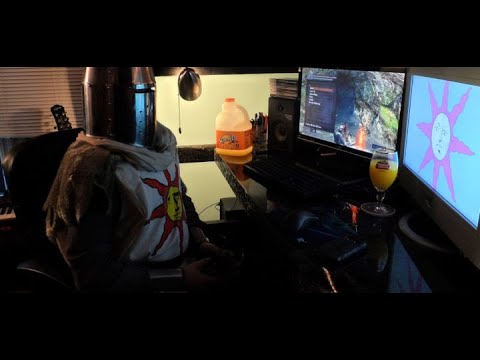
Marcus sat hunched over his gaming setup at 2 AM, completely absorbed in Crusader Kings III. As he navigated the complex political landscape of 12th-century Europe, he paused for a moment. “Wait,” he muttered to himself, “did medieval lords really have this much power over marriages and alliances?”
It was a question that had never occurred to him during his history classes in college. But here, commanding armies and making strategic decisions in a digital recreation of medieval life, the past felt more real and immediate than any textbook had ever made it.
Marcus isn’t alone in this experience. Millions of gamers worldwide are encountering the Middle Ages through interactive digital worlds that often blur the lines between historical fact and creative interpretation.
How Gaming Has Transformed Our Medieval Imagination
Video games have fundamentally changed how we think about and experience the medieval period. Unlike passive forms of media, games place players directly into historical scenarios, forcing them to make decisions and live with consequences in ways that textbooks simply cannot replicate.
This interactive approach has created a new form of historical engagement, but it’s also introduced some fascinating distortions and reimaginings of what life was actually like between roughly 500 and 1500 CE.
“Games have made the Middle Ages feel accessible to people who might never pick up a history book. But they’ve also created some persistent myths that we’re still trying to unpack in academic circles.”
— Dr. Elena Rodriguez, Medieval Studies Professor
The influence extends far beyond entertainment. Game-inspired interpretations of medieval life now appear in movies, TV shows, and even educational materials, creating a feedback loop that continuously reshapes our collective understanding of this historical period.
Ten Ways Games Have Rewritten Medieval History
From combat mechanics to social structures, here’s how video games have fundamentally altered our perception of medieval life:
- Sword Combat as Universal Solution: Games like The Witcher and Skyrim present a world where personal combat skills can solve almost any problem, when historically, most disputes were resolved through negotiation, law, or economic pressure.
- The Lone Hero Narrative: Medieval RPGs often center on individual protagonists who single-handedly change history, contradicting the reality of collective action and institutional power that actually shaped the period.
- Magic as Everyday Reality: Fantasy games have made supernatural elements seem like natural parts of medieval life, when actual medieval people had complex relationships with folk beliefs and religious doctrine.
- Simplified Social Mobility: Many games suggest you can rise from peasant to king through personal achievement, glossing over the rigid social structures that actually defined medieval society.
- Romanticized Feudalism: Strategy games often present feudal systems as efficient and logical, downplaying the exploitation and harsh realities most people actually experienced.
- Weapon and Armor Anachronisms: Games freely mix equipment from different centuries, creating hybrid “medieval” aesthetics that never actually existed in any single time period.
- Urban Fantasy Medieval Cities: Game cities are often impossibly large and diverse for their supposed time periods, resembling modern urban centers more than actual medieval settlements.
- Simplified Religion: While religion dominated medieval life, games often reduce it to background decoration or simple moral choices, missing its complex social and political functions.
- Exaggerated Gender Roles: Some games push medieval gender restrictions to cartoonish extremes, while others ignore them entirely, both approaches distorting historical realities.
- Technology Inconsistencies: Games often feature advanced metallurgy and engineering alongside primitive agriculture and medicine, creating impossible technological landscapes.
| Historical Reality | Common Game Portrayal |
|---|---|
| Most people were farmers | Everyone is an adventurer or noble |
| Travel was dangerous and rare | Constant movement between regions |
| Literacy was extremely limited | Characters read books and maps freely |
| Disease was a constant threat | Health restored by eating food or sleeping |
| Local communities were tight-knit | Anonymous interactions in large cities |
“The biggest misconception games create is that medieval people were somehow more primitive in their thinking. In reality, they were dealing with incredibly sophisticated political, economic, and philosophical questions.”
— Professor James Mitchell, Game Studies Researcher
The Real-World Impact of Digital Medieval Worlds
These gaming interpretations aren’t just harmless entertainment—they’re actively shaping how new generations understand history. Teachers report that students often arrive in medieval history classes with preconceptions directly drawn from popular games.
Some of these gaming influences are actually positive. Strategy games like Crusader Kings and Medieval Kingdoms 1212 do teach players about the complexity of medieval politics and the importance of alliances and diplomacy.
However, the emphasis on conflict and individual heroism can overshadow the collaborative nature of medieval society. Most medieval people lived their entire lives without experiencing the kind of dramatic events that make for exciting gameplay.
“Students come in knowing about siege warfare and castle construction from games, which is great. But they’re often surprised to learn how much time medieval people spent on things like agricultural planning and religious observance.”
— Dr. Sarah Chen, Educational Technology Specialist
The visual language of games has also become the default way many people imagine the medieval period. The particular color palettes, architectural styles, and clothing designs popularized by major games now appear in everything from historical documentaries to museum exhibits.
This creates an interesting paradox: games have made medieval history more popular and accessible than ever before, but they’ve also created a standardized, somewhat artificial version of what that history looks like.
Finding Balance Between Fun and Fact
The relationship between gaming and historical understanding doesn’t have to be antagonistic. Some recent games have made serious efforts to incorporate genuine historical research while maintaining engaging gameplay.
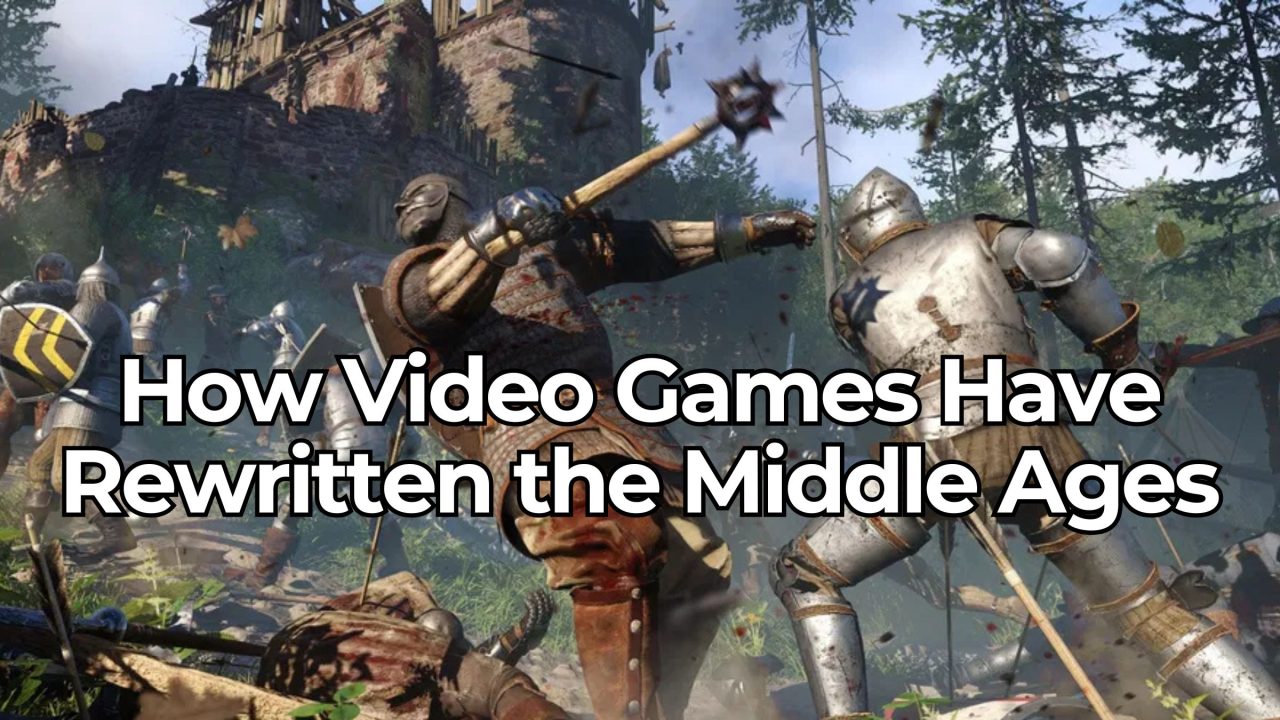
Games like Kingdom Come: Deliverance consulted extensively with historians and archaeologists to create more authentic medieval experiences. While still not perfect, these efforts show how entertainment and education can work together.
“The goal isn’t to make games into history textbooks. It’s to help people understand that the real medieval world was actually more interesting and complex than most fictional versions.”
— Dr. Michael Torres, Historical Consultant
The key is developing what historians call “historical thinking skills”—the ability to ask questions about sources, understand context, and recognize that the past was genuinely different from the present.
For gamers interested in history, this means approaching medieval-themed games as starting points for learning rather than definitive sources. The questions and curiosity that games spark can lead to deeper exploration of what medieval life was actually like.
FAQs
Do any video games accurately represent medieval life?
Some games like Kingdom Come: Deliverance and certain historical strategy games make serious attempts at accuracy, but all games must balance historical realism with entertaining gameplay.
Why do games often include fantasy elements in medieval settings?
Fantasy elements like magic and mythical creatures add gameplay possibilities and visual excitement that purely historical settings might not provide, making games more engaging for broader audiences.
How can I learn real medieval history if I’m interested in games?
Start with academic sources, documentaries, and books written by professional historians. Use your gaming interest as motivation to explore what medieval life was actually like.
Are medieval-themed games harmful to historical education?
Not necessarily harmful, but they can create misconceptions. The key is understanding games as entertainment first, and using them as jumping-off points for real historical learning.
Which aspects of medieval life do games usually get right?
Many games accurately portray the importance of social hierarchies, the role of warfare in politics, and the general material culture of weapons and architecture, though often with chronological mixing.
Do historians play medieval video games?
Many do! Some historians even use games as teaching tools or consult on game development to improve historical accuracy while maintaining entertainment value.

Leave a Reply