
Astrid knelt beside the freshly turned earth, her weathered hands trembling as she placed a small wooden carving of a dog next to her grandmother’s headstone. “You always said Bjørn would find you in the afterlife,” she whispered, remembering the old woman’s stories about Viking traditions and eternal companions.
That scene might feel like something from a modern Norwegian cemetery, but it echoes a practice that’s much older than most people realize. Recently, archaeologists in Norway uncovered something extraordinary that brings these ancient beliefs into sharp focus—a Viking-age burial where a woman and her dog were laid to rest together over a thousand years ago.
This isn’t just another archaeological find gathering dust in academic journals. It’s a window into how our ancestors viewed the bonds between humans and animals, and it’s rewriting what we thought we knew about Viking burial practices.
A Thousand-Year-Old Love Story Emerges from Norwegian Soil
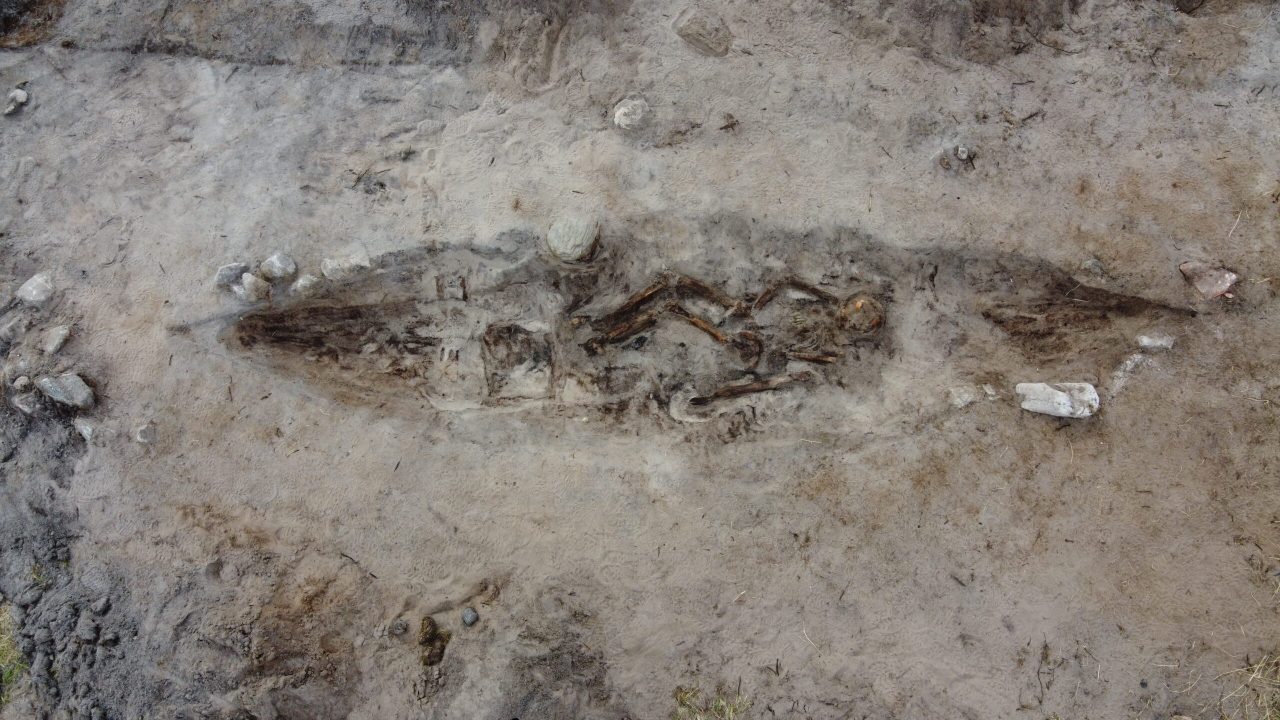
The discovery happened in central Norway, where researchers were conducting routine excavations ahead of a construction project. What they found was anything but routine—a carefully arranged grave containing the remains of an adult woman alongside her dog, both dating back to the Viking Age, roughly 800-1050 CE.
The burial tells a story that transcends time. The woman was laid to rest with obvious care, and her canine companion was positioned nearby, suggesting this wasn’t a coincidence or afterthought. Someone made a deliberate decision to ensure these two would journey into the afterlife together.
This find challenges our understanding of how Vikings viewed the relationship between humans and animals. It wasn’t just practical—it was deeply emotional and spiritual.
— Dr. Lars Henriksen, Medieval Archaeology Specialist
The preservation of both skeletons has allowed researchers to piece together remarkable details about their lives. The woman appears to have been middle-aged when she died, and evidence suggests she held some status in her community. The dog, likely a medium-sized breed similar to modern Scandinavian hunting dogs, showed signs of having lived a long life alongside humans.
What This Burial Reveals About Viking Society
This discovery isn’t happening in isolation. It’s part of a growing body of evidence that’s reshaping how we understand Viking culture and their relationship with animals. Here’s what makes this find particularly significant:
- Spiritual beliefs: Vikings believed in an afterlife where earthly companions could reunite
- Social status: Being buried with a dog suggests the woman held important standing in her community
- Practical partnership: Dogs served as hunting companions, guards, and family members
- Emotional bonds: The careful positioning suggests genuine affection between woman and dog
- Ritual significance: The burial follows specific patterns that indicate religious or cultural importance
The grave goods found alongside the woman and dog provide additional context. Archaeologists discovered personal items, tools, and decorative objects that paint a picture of someone who was valued in her society.
We’re seeing more evidence that Vikings didn’t just view dogs as working animals. They were family members, spiritual companions, and partners in both life and death.
— Dr. Ingrid Sørensen, Viking Age Specialist
| Burial Element | Significance | What It Tells Us |
|---|---|---|
| Woman’s position | Laid on her back, arms crossed | Formal burial rites performed |
| Dog’s placement | Near woman’s feet | Intentional companion burial |
| Grave goods | Personal items and tools | Expected to need belongings in afterlife |
| Burial depth | Carefully excavated pit | Time and effort invested in ceremony |
| Preservation | Both skeletons intact | Protected burial environment |
How This Changes Our Understanding of Medieval Life
This burial is forcing historians to reconsider several assumptions about Viking society. For decades, academic focus centered on warriors, raids, and political structures. But discoveries like this reveal a more nuanced culture where emotional relationships and spiritual beliefs played crucial roles.
The practice of burying humans with their dogs wasn’t unique to this site. Similar discoveries across Scandinavia suggest this was an established tradition, not an isolated incident. What makes this particular find special is the exceptional preservation and the clear evidence of intentional placement.
Every burial like this adds another piece to the puzzle of how Vikings actually lived, not just how they fought. These were people with deep emotional lives and complex spiritual beliefs.
— Dr. Magnus Eriksson, Cultural Historian
The discovery also highlights the practical importance of dogs in Viking society. These weren’t pampered pets—they were working partners who helped with hunting, protected homesteads, and provided companionship during long, harsh winters. The decision to bury them together suggests these partnerships were viewed as sacred.
For modern pet owners, this thousand-year-old burial might feel surprisingly familiar. The bond between the woman and her dog transcends time and culture, reminding us that some human experiences remain constant across centuries.
What Happens Next with This Discovery
The research team is now conducting detailed analysis of both skeletons, hoping to learn more about their lives, health, and relationship. Advanced techniques can reveal information about diet, lifestyle, and even potential genetic connections between ancient and modern dog breeds.
This find is also contributing to a broader understanding of animal domestication in medieval Scandinavia. Each discovery helps researchers map how different breeds developed and how human-animal relationships evolved over time.
We’re using cutting-edge science to understand ancient emotions and relationships. It’s remarkable how much these bones can tell us about love and loyalty from a thousand years ago.
— Dr. Helena Andersen, Bioarchaeologist
The artifacts and remains will eventually be displayed in local museums, allowing the public to connect with this ancient story of companionship. For many visitors, seeing these remains serves as a powerful reminder that human emotions and bonds haven’t changed much over the millennia.
As excavation work continues in the area, researchers hope to uncover more burials that might reveal additional patterns in Viking funeral practices. Each find adds depth to our understanding of how these remarkable people lived, loved, and said goodbye to those who mattered most.
FAQs
How common were dog burials during the Viking Age?
While not extremely common, archaeologists have found several examples across Scandinavia, suggesting it was an established practice for people of certain social status.
What types of dogs did Vikings typically keep?
Vikings kept medium-sized dogs similar to modern Norwegian Elkhounds and other Scandinavian hunting breeds, primarily for hunting and protection.
Did Vikings believe dogs went to the afterlife?
Evidence suggests Vikings believed loyal companions, including dogs, could accompany their owners to the afterlife, similar to their beliefs about horses and other valued animals.
How do researchers determine the age of these burials?
Archaeologists use radiocarbon dating, artifact analysis, and burial style comparison to determine when these graves were created.
What other animals were buried with Vikings?
Besides dogs, Vikings sometimes buried horses, cats, and even birds with their owners, depending on the person’s status and the animal’s significance.
Where can people see artifacts from this discovery?
The remains and artifacts will be processed and eventually displayed in Norwegian museums, with specific locations to be announced as research continues.

Leave a Reply