
A 58-year-old woman working outdoors on a Greek island began sneezing live worms out of her nose — and what doctors discovered next turned out to be a medical case rare enough to be called “biologically implausible.”
The case, reported by Live Science, reads like something out of a horror film. But it’s a real diagnostic puzzle that highlights just how strange and surprising parasitic infections can be, particularly in people who spend significant time outdoors in certain environments.
The woman’s ordeal began with what seemed like ordinary facial pain. Weeks later, it had escalated into something far more alarming — and far harder to explain.
How It Started: Facial Pain, a Severe Cough, and Then the Unthinkable
The patient’s symptoms developed in a clear, unsettling progression. First came pain centered around the middle of her face. That pain grew progressively worse over the following weeks. Then, roughly two to three weeks after the facial pain began, she developed a severe cough.
Shortly after that, she sneezed — and worms came out of her nose.
That was the moment she sought medical attention. According to the case details, she reported the worms to doctors herself, describing what she had experienced. The fact that she worked outdoors on a Greek island was considered a significant piece of the clinical picture, giving doctors a potential clue about how she may have been exposed to whatever was causing her symptoms.
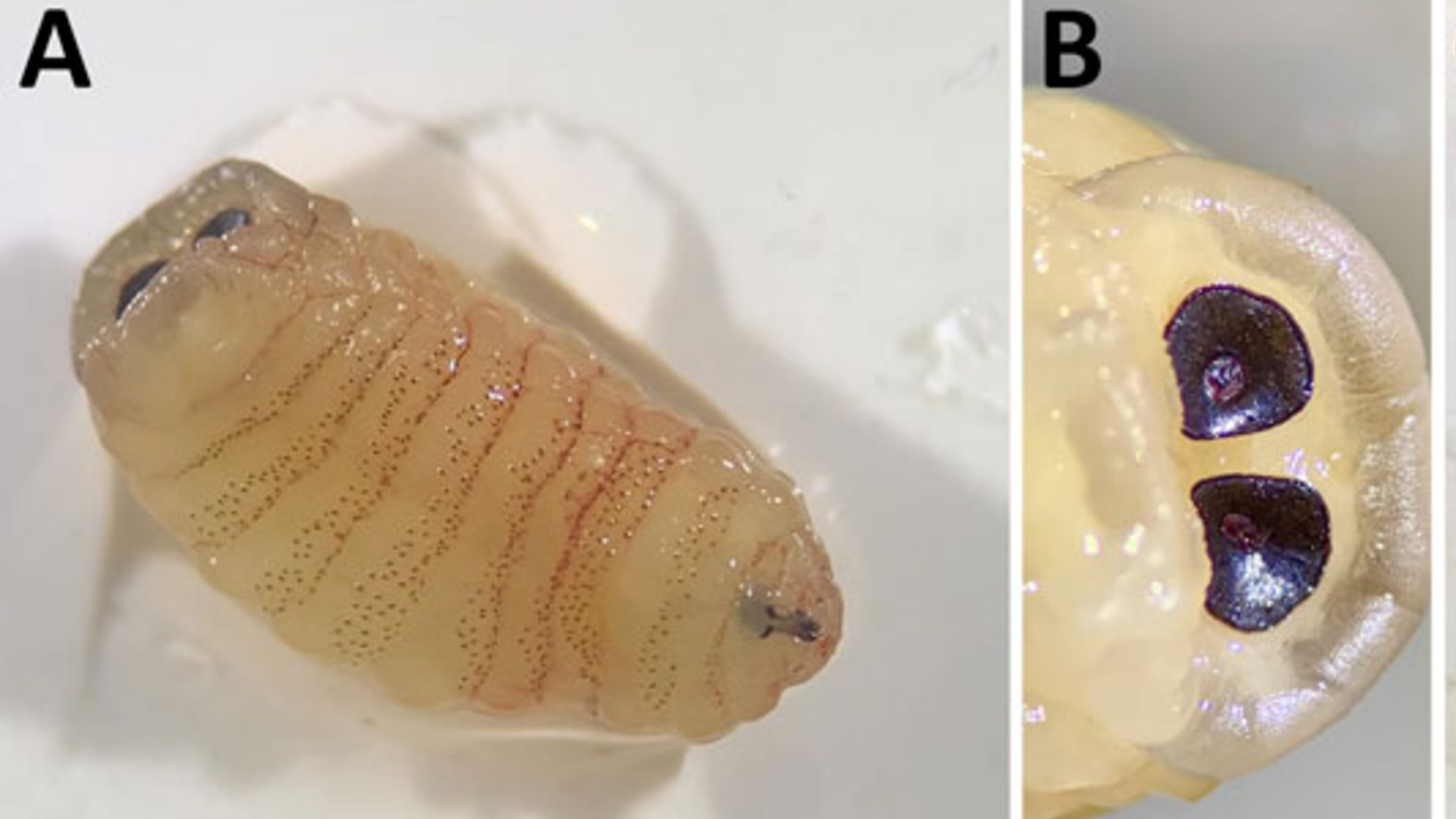
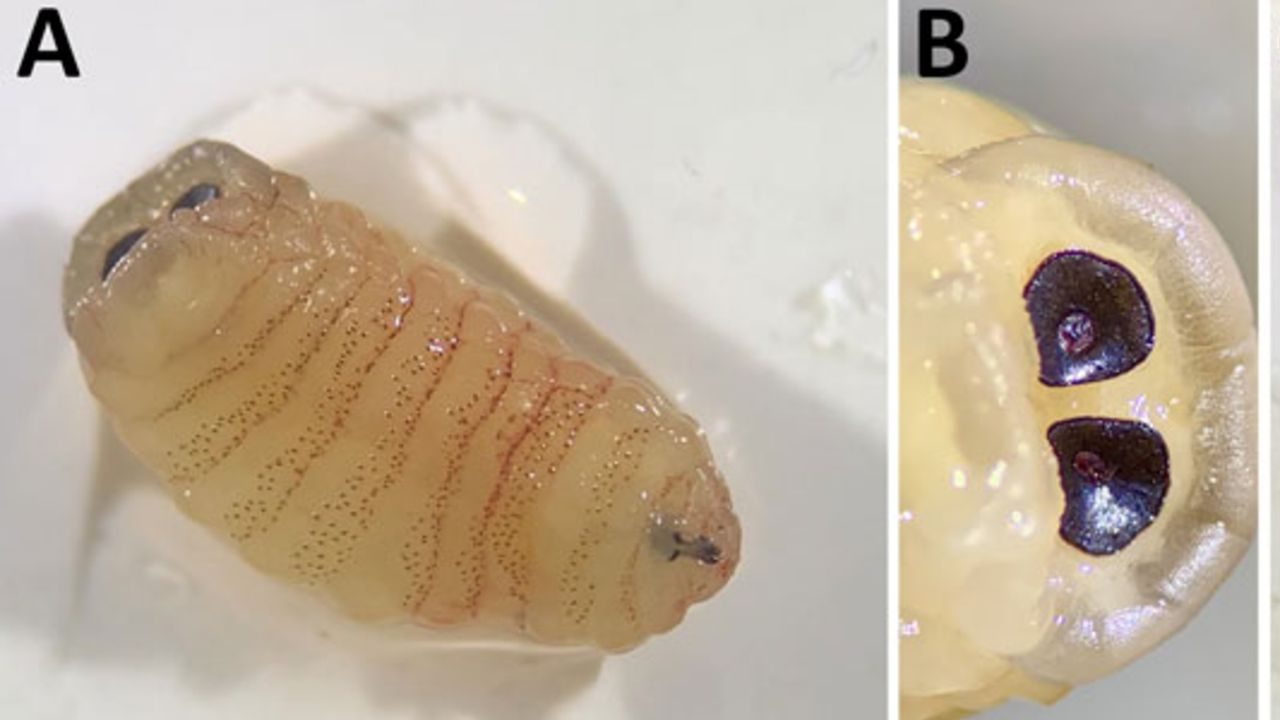
The larvae involved were identified as those of the sheep bot fly, known scientifically as Oestrus ovis — a parasitic fly whose larvae are known to infest the nasal passages and sinuses of sheep and goats, and only very rarely, humans.
What Is Oestrus Ovis — and Why Is This Case So Unusual?
The sheep bot fly is a species found across many parts of the world, including the Mediterranean region. Female flies deposit larvae directly into or near the nostrils of their host animals — typically sheep or goats — where the larvae then migrate into the nasal passages and sinuses to develop.
Human infestation, called ophthalmomyiasis when it involves the eyes or nasal myiasis when it involves the nose and sinuses, is considered rare. The fact that this woman’s case was described as “biologically implausible” suggests that something about the nature or extent of her infestation went beyond what doctors would typically expect to see in a human patient.
People who work closely with sheep and goats, or who spend extended time outdoors in rural or agricultural areas where these flies are present, carry a higher exposure risk — which fits the profile of this patient, who worked outdoors on a Greek island.
The Key Facts at a Glance
| Detail | Information |
|---|---|
| Patient | 58-year-old woman |
| Location | Greek island, Greece |
| Occupation/exposure | Worked outdoors |
| First symptom | Progressive pain around the center of the face |
| Time before second symptom | Approximately 2–3 weeks |
| Second symptom | Severe cough |
| Triggering event for medical visit | Worms expelled from nose during sneezing |
| Parasite identified | Larvae of Oestrus ovis (sheep bot fly) |
- The condition affecting humans via Oestrus ovis larvae is known as nasal myiasis
- The sheep bot fly is found across the Mediterranean region, including Greece
- Typical hosts are sheep and goats, not humans — making human cases medically notable
- Outdoor workers in agricultural or rural settings face the greatest exposure risk
Why This Case Matters Beyond the Shock Value
Cases like this one matter for a few reasons that go beyond the obvious “gross factor.” They serve as reminders that parasitic infections once considered geographically distant or species-specific can and do affect humans — particularly as people live and work in closer proximity to livestock and wildlife.
The symptom progression in this case is also worth noting from a diagnostic standpoint. Facial pain centered around the sinuses, followed by a cough, could easily be attributed to a sinus infection, allergies, or an upper respiratory illness. Without the dramatic and unmistakable sign of worms appearing during a sneeze, this case might have gone misdiagnosed for considerably longer.
Medical professionals and researchers who document these cases contribute to a body of knowledge that helps future clinicians recognize unusual parasitic infections earlier — potentially sparing patients weeks of worsening symptoms before the correct diagnosis is reached.
For the average person, this case is also a practical reminder that unexplained or worsening facial pain — especially in people who spend time outdoors in rural or agricultural settings — deserves thorough medical evaluation rather than a simple assumption that it’s a routine sinus problem.
What We Know — and What Remains Unconfirmed
What the available reporting does not fully detail is the specific treatment she received, the full clinical outcome, or the precise mechanism by which the infestation reached the severity it apparently did.
What is confirmed is that the case was striking enough to be documented and reported as a diagnostic dilemma — a term used in medical literature to describe cases that are genuinely difficult to diagnose or that present in ways that challenge standard clinical expectations.
The description of the infection as “biologically implausible” suggests that the treating physicians themselves found aspects of the case difficult to reconcile with established medical understanding of how Oestrus ovis behaves in human hosts.
Frequently Asked Questions
What parasite caused the woman to sneeze worms out of her nose?
The larvae responsible were identified as those of Oestrus ovis, commonly known as the sheep bot fly.
Where did this case occur?
The patient was a 58-year-old woman living and working on a Greek island in Greece.
What were her first symptoms before the worms appeared?
She first experienced progressive pain around the center of her face, followed roughly two to three weeks later by a severe cough, before the larvae were expelled during sneezing.
Is it common for humans to be infected by sheep bot fly larvae?
No — human infestation by Oestrus ovis is considered rare, and this particular case was described as “biologically implausible,” suggesting it was unusual even by the standards of known human cases.
Who is most at risk of this type of parasitic infection?
Based on what is known about Oestrus ovis, people who work outdoors in rural or agricultural areas — particularly those in close contact with sheep or goats — carry the greatest exposure risk.
What happened to the patient after she sought medical attention?




Leave a Reply