
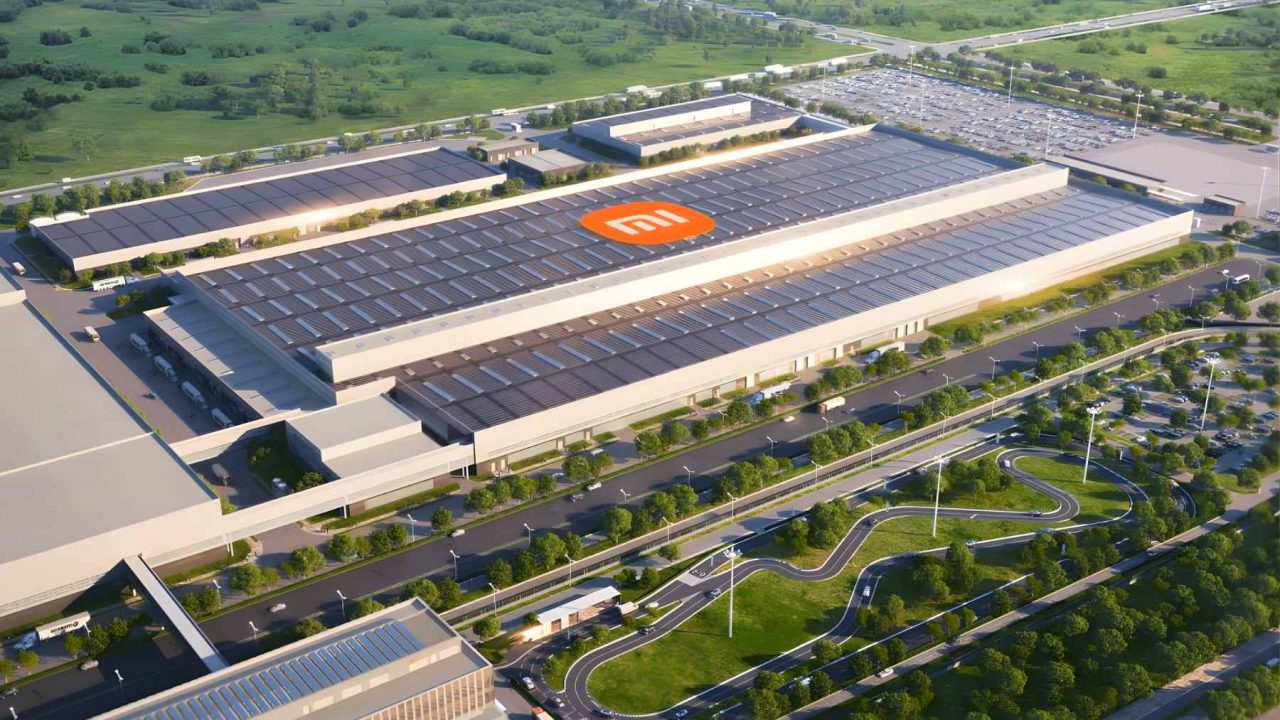
One smartphone every second, around the clock, with no workers on the floor and no lights needed to see. That is not a concept video or a distant projection — it is what Xiaomi says its next-generation Smart Factory, launched in July 2024, is already doing.
The facility is capable of producing 10 million flagship smartphones per year, powered almost entirely by self-developed equipment and software. For an industry built on vast human assembly lines, it represents a fundamental shift in how electronics get made — and raises serious questions about what that means for workers, the environment, and the relentless pace of smartphone production.
The term “dark factory” refers to a fully automated manufacturing plant that operates without human workers present — and therefore without the need for lighting. Machines do not need to see. The name sounds dramatic, but the concept is increasingly real, and Xiaomi’s facility in China is one of the most advanced examples yet made public.
What Xiaomi’s Smart Factory Actually Does
Launched in July 2024, Xiaomi’s Smart Factory is built almost entirely on technology the company developed itself. According to Xiaomi, 96.85% of the equipment used in the facility is self-developed, and 100% of the manufacturing software was built in-house. That level of vertical integration is unusual even by the standards of China’s highly advanced electronics manufacturing sector.
The factory uses industrial internet infrastructure and artificial intelligence to coordinate production at a scale that would be difficult to manage with human workers. At peak output, the facility can produce one finished smartphone per second — a rate that, sustained over a full year, adds up to roughly 10 million devices.
What makes this particularly significant is not just the speed. It is the degree to which human decision-making has been removed from the process entirely. Quality checks, assembly sequencing, component handling — all of it runs without a person on the floor.
The Numbers Behind the Dark Factory
| Metric | Figure |
|---|---|
| Factory launch date | July 2024 |
| Annual production capacity | 10 million smartphones |
| Self-developed equipment share | 96.85% |
| Manufacturing software origin | 100% self-developed |
| Waste diversion rate (2024) | 99.35% |
| Sustainability certification | Three-star “Zero Waste to Landfill” — TÜV Rheinland |
The sustainability numbers are worth pausing on. A 99.35% waste diversion rate means that almost nothing produced during manufacturing ends up in a landfill. That figure earned the facility a three-star “Zero Waste to Landfill” certification from TÜV Rheinland, an internationally recognized testing and certification body. These are not self-reported vanity metrics — third-party certification carries real weight.
The Environmental Question Nobody Is Asking Loudly Enough
Here is where the story gets more complicated. Faster production is impressive. But critics and environmental advocates argue that the more important question is not whether a factory can run without humans — it is whether producing smartphones faster and more efficiently actually reduces the total environmental burden of the electronics industry.
Xiaomi’s own sustainability materials describe both its Smart Factory and EV Factory as using industrial internet and AI technologies to pursue what the company calls “efficient, green, and sustainable operations.” The waste diversion certification supports that framing, at least for what happens inside the factory walls.
But the full lifecycle of a smartphone extends well beyond the production floor. Observers note that the environmental cost of electronics includes:
- Mining the raw materials — lithium, cobalt, rare earth elements — needed for components
- The energy consumed to power automated factories continuously, 24 hours a day
- The carbon footprint of global supply chains and shipping
- Consumer behavior — how long people keep devices before replacing them
- The growing global mountain of electronic waste when devices are discarded
A factory that produces one phone per second, every second of every day, is an extraordinary machine. Whether it contributes to a more sustainable electronics industry depends on factors that extend far beyond what happens inside a single building — no matter how efficiently that building runs.
Why This Matters Beyond China’s Borders
Xiaomi’s Smart Factory is not an isolated experiment. It signals a broader direction for manufacturing globally. As automation technology matures and the cost of deploying it falls, the economic argument for maintaining large human workforces on assembly lines weakens.
For workers in electronics manufacturing — a sector that employs millions across Asia — the implications are significant. Fully automated facilities do not eliminate jobs overnight, but they change the nature of what skills are needed and where human labor fits into the production chain.
For consumers, the immediate effect may simply be faster product cycles and potentially lower costs. But the longer-term question is whether the environmental gains made inside a smart factory — less waste, cleaner processes — are enough to offset the sheer volume of devices being produced and eventually discarded.
What Comes Next for Automated Manufacturing
Xiaomi has positioned its Smart Factory as a model for where electronics manufacturing is heading. The combination of self-developed equipment, proprietary software, AI-driven operations, and verified sustainability credentials is clearly intended to demonstrate that automation and environmental responsibility can coexist.
Whether that model spreads — and how quickly — will depend on how other manufacturers respond, how regulators treat the environmental claims of fully automated factories, and whether consumer demand for new devices continues at its current pace.
The factory is already running. The phones are already being made. The harder conversation — about what it means to produce 10 million flagship smartphones a year with almost no human involvement — is just beginning.
Frequently Asked Questions
When did Xiaomi’s Smart Factory launch?
Xiaomi’s Smart Factory launched in July 2024.
How many smartphones can the factory produce?
The facility has a stated capacity of 10 million flagship smartphones per year, which works out to approximately one device per second.
How much of the factory’s equipment was built by Xiaomi itself?
According to Xiaomi, 96.85% of the equipment is self-developed, and 100% of the manufacturing software was built in-house.
Has the factory received any independent environmental certification?
Yes. The Smart Factory achieved a 99.35% waste diversion rate in 2024 and received a three-star “Zero Waste to Landfill” certification from TÜV Rheinland.
Does the factory use any human workers at all?
“
Does faster automated production mean fewer environmental problems overall?
This has not been confirmed. Environmental advocates note that the full impact of smartphone production includes mining, energy use, shipping, and disposal — factors that extend well beyond the factory floor itself.




Leave a Reply