
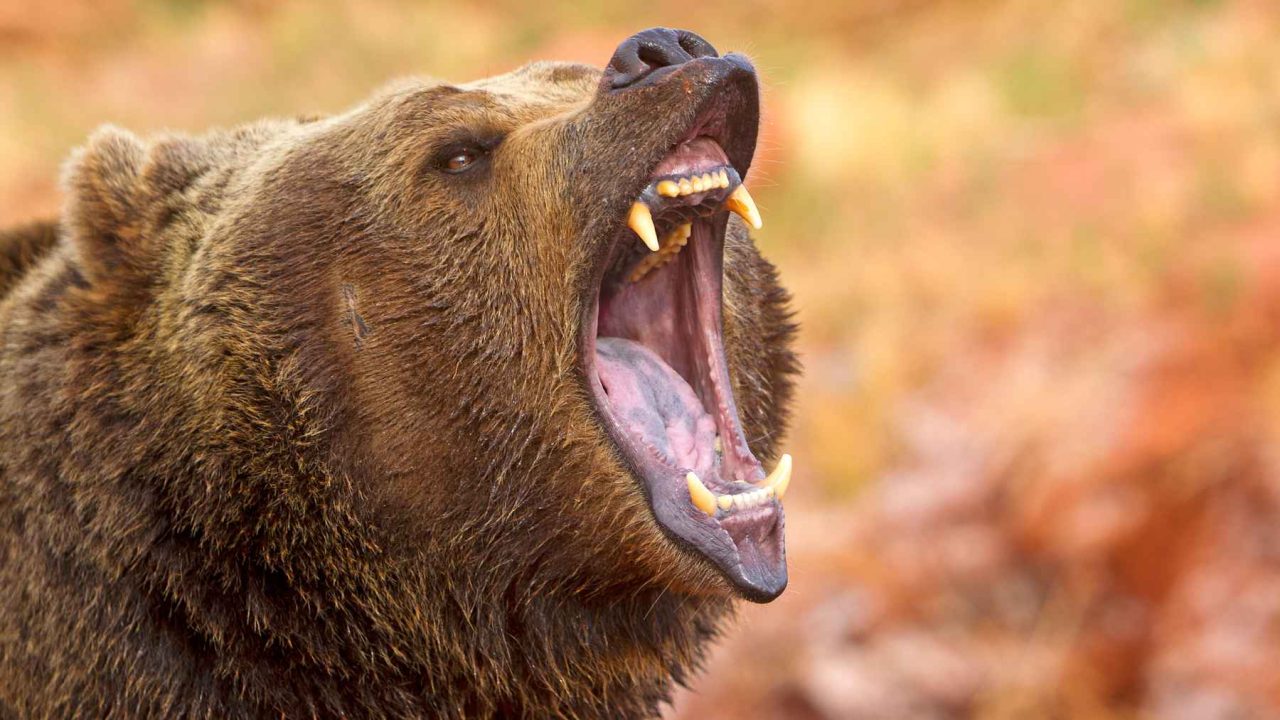
What if one of nature’s most iconic predators is quietly becoming something closer to a grazer? A new international study suggests that bears — long associated with salmon-snatching and opportunistic hunting — are increasingly leaning toward plant-based diets, and climate change may be driving the shift.
The research, published on December 3, 2025 in the journal Nature Communications, combines modern dietary records with fossil evidence to trace how bear populations move up or down the food chain over time. The findings raise a straightforward but striking question: if bears are changing what they eat, what else changes with them?
The answer, researchers suggest, is quite a lot — from the animals bears once preyed upon, to the plants they now consume in greater quantities, to the way nutrients cycle through entire ecosystems.
What the Study Actually Found
Bears have always been described as omnivores, but that word can obscure just how flexible their diets really are. Depending on the region and the season, a bear’s menu might include berries, roots, nuts, and grasses — or it might include insects, fish, and small mammals. The balance between those two sides of the menu is what the researchers set out to understand more precisely.
The study introduces a concept the authors call “trophic rewiring.” That term describes the process by which bears shift their ecological role — their position in the food web — depending on what the surrounding landscape can offer. In simpler terms: when plants are more available, bears eat more plants. When the growing season stretches longer due to warming temperatures, plant availability increases, and bears appear to follow.
This isn’t just about individual bears making different choices on a given afternoon. The research suggests that entire bear populations are adjusting their dietary patterns in response to broader environmental changes, and that this shift is detectable both in modern records and in the fossil evidence the team examined.
Why Bears Shifting to a Plant-Based Diet Is a Bigger Deal Than It Sounds
Bears are what ecologists sometimes call keystone species — animals whose behavior ripples outward through an ecosystem in ways that far exceed their numbers. When a bear catches a salmon, drags it inland, and leaves it partially eaten, that carcass becomes a nutrient source for dozens of other species. The nitrogen from those fish bodies has been found in trees and soil far from any riverbank.
When bears eat fewer animals and more plants, those ripple effects change. Prey populations that bears once kept in check may grow. Plants that bears now consume more heavily face new pressures. The nutrient pathways that connected rivers to forests through bear behavior become less pronounced.
The study’s authors frame this not as a minor dietary adjustment but as a meaningful ecological shift — one that affects prey, plants, and nutrient cycling across the landscapes bears inhabit.
Key Facts From the Research
- The study was published in Nature Communications on December 3, 2025
- Researchers combined modern diet records with fossil evidence to track dietary trends over time
- The concept of “trophic rewiring” describes how bears shift their ecological role based on landscape conditions
- Warmer temperatures are lengthening the plant growing season, which appears to be increasing the share of plant material in bear diets
- Bear diets vary widely by region and season, including berries, roots, nuts, grasses, insects, fish, and other mammals
- The dietary shift has implications not just for bears, but for prey populations, plant communities, and nutrient cycling
| Diet Component | Type | Typical Role in Bear Diet |
|---|---|---|
| Berries, roots, nuts, grasses | Plant-based | Increasingly prominent as growing seasons extend |
| Insects | Animal-based | Seasonal supplement across many regions |
| Fish (e.g., salmon) | Animal-based | High-calorie seasonal source; key nutrient transfer mechanism |
| Small mammals | Animal-based | Opportunistic; varies by population and region |
What This Means for Ecosystems — and for Us
The implications stretch well beyond wildlife biology. Bears are found across North America, Europe, and Asia, inhabiting ecosystems that humans also depend on — forests that regulate water, store carbon, and support biodiversity. When a dominant species like a bear changes its behavior in response to climate, the effects can be subtle at first and significant over time.
Research like this matters because it helps scientists understand not just what bears are doing today, but what ecosystems may look like in the decades ahead. If warming continues to lengthen growing seasons, the trend toward more plant-heavy bear diets is likely to continue — and the cascading effects on other species will need to be tracked carefully.
For conservationists and land managers, trophic rewiring is also a reminder that wildlife management can’t rely on fixed assumptions about how animals behave. A management plan built around bears as active predators may need updating if those same bears are now functioning more like large herbivores in certain regions.
What Researchers Will Be Watching Next
The Nature Communications study opens more questions than it closes. Scientists will likely focus on understanding which specific bear populations are shifting most dramatically, whether the trend is accelerating alongside rising temperatures, and how long-term dietary changes affect bear health and reproductive success.
The fossil record component of the research is particularly significant — it gives scientists a long baseline against which to measure current changes, rather than relying solely on observations from the past few decades. That longer view may help distinguish natural dietary variation from something more consequential and climate-driven.
For now, the research offers a clear signal: the image of the bear as a fearsome, fish-snatching predator may be giving way, in at least some populations, to something far more unexpected — an animal increasingly shaped by the plants around it rather than the prey it hunts.
Frequently Asked Questions
What did the bear diet study find?
A study published in Nature Communications on December 3, 2025 found that many bear populations are shifting toward more plant-based diets, a trend researchers linked to warmer temperatures and longer growing seasons.
What does “trophic rewiring” mean?
It is the term the study’s authors use to describe how bears can change their ecological role — moving up or down the food chain — depending on what food resources their landscape provides.
Why does it matter if bears eat more plants?
Bears influence prey populations, plant communities, and nutrient cycling across ecosystems, so a shift in their diet can have wide-ranging effects beyond the bears themselves.
What do bears normally eat?
Bear diets vary by region and season and can include berries, roots, nuts, grasses, insects, fish, and small mammals — the balance between plant and animal foods differs significantly across populations.
Is climate change responsible for this dietary shift?
The study suggests that warming temperatures are extending plant growing seasons, which appears to be increasing the plant portion of bear diets, though the full relationship is still being studied.
Where was the study published?
The research was published in the journal Nature Communications on December 3, 2025.


Leave a Reply