Also known as The Great War, or The War to End All Wars, World War I was one of the largest, and deadliest, wars in History. The war started after the heir to the Austro-Hungarian Empire, Archduke Franz Ferdinand, was killed by Gavrilo Princip on June 28, 1914, in an attempt to end the Austro-Hungarian rule over Bosnia and Herzegovina.

The Central Powers (Germany, Austria-Hungary, Bulgaria, and the Ottoman Empire) fought against the Allied Powers (Great Britain, France, Russia, Italy, Romania, Japan, and the United States) in a war that involved new technological weapons such as machine guns and large siege cannons. Militaries on both sides also fought from trenches which were filled with mud, disease, boredom, and fear.
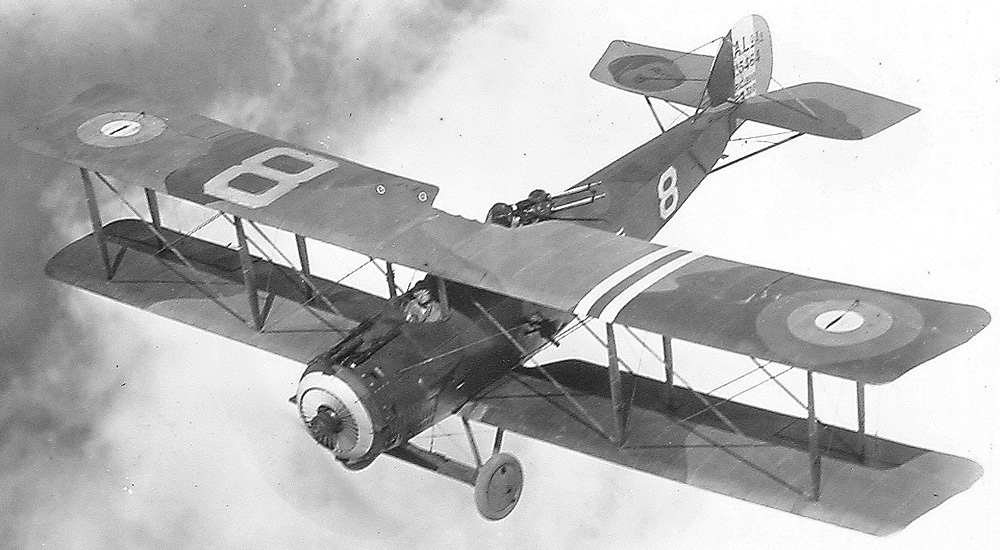
World War I was the first major war to use aviation to help fight battles. Obersavertion balloons were used to spot structures from high ground and Germany deployed many Zeppelins over the North Sea. Airplanes became a huge part of the war effort. Many of World War I battles took place in the sky and on the ground. Flying Aces became an icon around the world and were looked upon by many as heroes. World War I helped pave a way for better aviation technology that would come into great use in World War II.

The United States remained neutral for the first half of the war and did not get involved in the conflict until 1917. By this time, Germany had declared a war zone around the British Isles and German U-boats had sunk several American commercial and passenger ships, as well as the Lusitania, a British ocean liner carrying hundreds of Americans onboard.

World War I lasted 4 years and ended November 11th, 1918 with the signing of the Treaty of Versailles. Though it ended the war, the treaty did not solve all conflicts and even created new ones that eventually led to WWII. More than 19 million soldiers and civilians died over the course of WWI.