
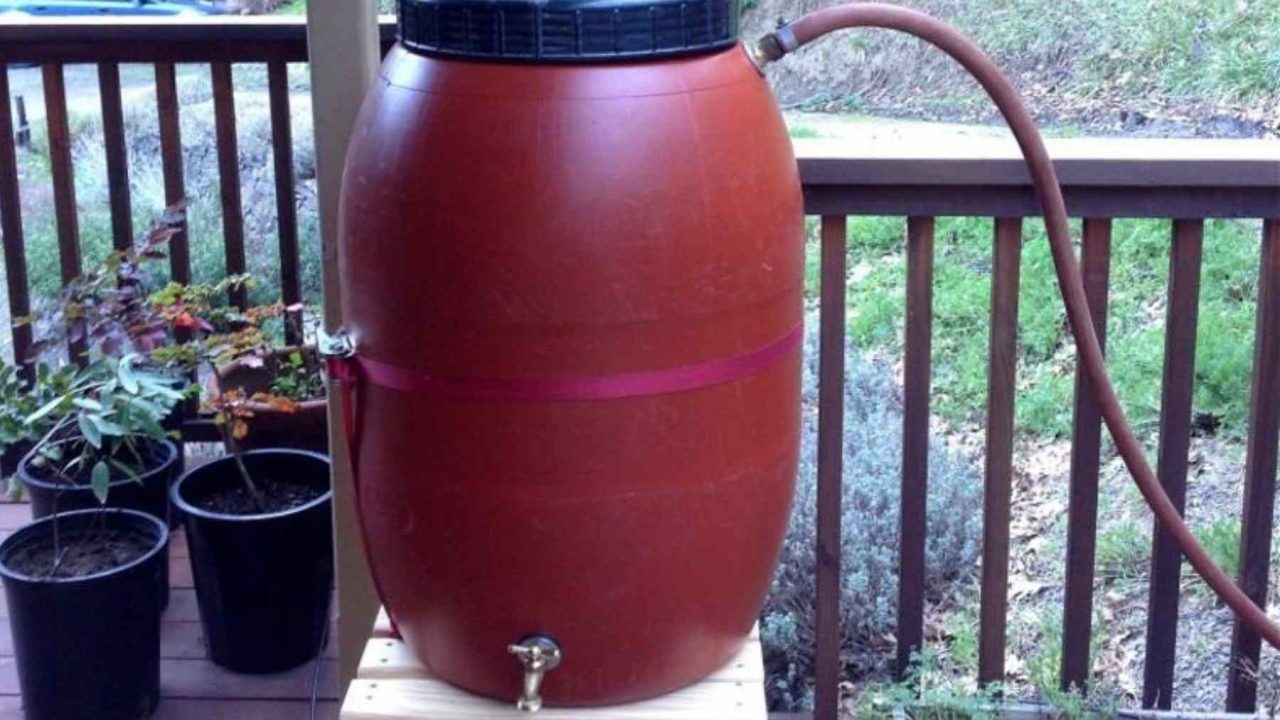
A 13% reduction in urban flooding — not from a massive tunnel project or a new pumping station, but from rain barrels, water-efficient fixtures, and a simple plumbing trick that reuses sink water to flush your toilet. That’s what researchers at Drexel University found when they modeled what could happen in one of New Jersey’s most flood-vulnerable neighborhoods.
The study focused on Camden’s Cramer Hill neighborhood, a community that knows firsthand what it means when summer storms overwhelm aging pipes and streets fill with water. The findings suggest that when enough households adopt small-scale water management tools together, the cumulative effect on the city’s sewer system is genuinely measurable.
It’s a counterintuitive idea in an era when climate resilience is usually discussed in terms of billion-dollar infrastructure. But the research points to something worth paying attention to: sometimes the most effective first step is the gallon of water that never reaches the pipe at all.
What the Drexel University Study Actually Found
Researchers modeled a specific combination of household interventions in Camden’s Cramer Hill neighborhood and tracked what would happen to the local sewer system under broad community adoption. The results were more significant than many might expect from tools you can buy at a hardware store.
The package of measures tested included:
- Rain barrels — capturing stormwater runoff from rooftops before it enters the drainage system
- Cisterns — larger residential storage systems for collected rainwater
- Water-efficient fixtures — low-flow toilets, faucets, and showerheads that reduce the volume of water entering the sewer
- Graywater reuse systems — specifically, redirecting sink water to flush toilets rather than sending it directly to the sewer
When modeled together under broad neighborhood adoption, this combination was associated with a reduction in sewer overflows of up to 11% and a reduction in floodwater volumes of up to 13%.
Those numbers matter because combined sewer overflows — where stormwater and sewage mix and spill into streets or waterways — are one of the most pressing and expensive problems facing older American cities. Any meaningful percentage reduction, achieved without major construction, is worth serious attention.
Why Camden’s Cramer Hill Neighborhood Is the Right Place to Test This
Camden, New Jersey has long struggled with the kind of infrastructure challenges that define post-industrial American cities. Aging pipes, limited municipal budgets, and a changing climate that delivers more intense storms in shorter windows have made flooding a recurring reality for residents.
Cramer Hill is a flood-prone neighborhood — meaning it isn’t just an abstract modeling location. It’s a place where people have watched streets turn into waterways after summer storms. Choosing it as the study’s focal point grounds the research in real community stakes rather than hypothetical scenarios.
Urban drainage systems in neighborhoods like Cramer Hill were designed decades ago, often for a climate that no longer exists. The storms are heavier now, and the pipes weren’t built for them. Large-scale fixes — detention tanks, expanded treatment plants, deep tunnel systems — are the traditional answer, but they are expensive, slow to build, and often out of reach for cities with constrained budgets.
The Drexel research doesn’t argue against those solutions. It argues that household-level interventions can start working now, while the bigger projects are planned, funded, and built.
The Numbers Behind the Household Flood Reduction Strategy
| Intervention Type | Function | Location |
|---|---|---|
| Rain barrels | Captures roof runoff before it enters drainage | Outside the home, at downspouts |
| Cisterns | Larger rainwater storage for residential use | Outside or below the home |
| Water-efficient fixtures | Reduces total water entering sewer system | Inside the home |
| Graywater reuse (sink to toilet) | Reuses sink water for toilet flushing, cutting sewer load | Inside the home |
| Combined effect (broad adoption) | Up to 11% reduction in sewer overflows | Neighborhood-wide |
| Combined effect (broad adoption) | Up to 13% reduction in floodwater volumes | Neighborhood-wide |
The key phrase in those findings is broad adoption. One household installing a rain barrel makes almost no detectable difference at the neighborhood scale. The effect compounds when many households participate simultaneously — which is why researchers and city planners tend to frame this as a community-level strategy rather than an individual one.
What This Means for Residents and City Planners
For everyday residents, the practical implication is straightforward: small investments in home water management — tools that are already commercially available and relatively affordable — can contribute to a measurable public good when adopted at scale.
Rain barrels and cisterns also offer a secondary benefit beyond flood reduction. Collected rainwater can be used for garden irrigation, reducing household water bills during dry months. Water-efficient fixtures lower utility costs directly. The graywater reuse system is the most involved of the four measures, requiring some plumbing adjustment, but it targets one of the most consistent sources of indoor water use.
For city officials and urban planners, the research offers a politically and financially practical complement to large infrastructure projects. Household programs can be rolled out incrementally, funded through rebates or community grants, and scaled based on results — without requiring the years-long timelines that major construction demands.
Researchers were careful to frame the findings accurately: this is not a replacement for big infrastructure. But it gives cities a practical tool for the climate era, one that can begin reducing flood risk in vulnerable neighborhoods while longer-term solutions are developed.
What Comes Next for This Kind of Research
The Drexel University study establishes a modeling baseline for what household interventions could achieve in a neighborhood like Cramer Hill under broad adoption. The logical next step — though not confirmed in the available source material — would be real-world implementation programs that test whether the modeled reductions hold up in practice.
Cities across the country are watching research like this closely, particularly as federal infrastructure funding cycles create new opportunities for both large and small-scale flood mitigation investment. Whether Camden moves forward with a formal household program based on these findings has not been confirmed in the available reporting.
What the research does confirm is that the conversation about urban flood resilience now has a credible household-level component — one measured in percentages, not just in intentions.
Frequently Asked Questions
What did the Drexel University study find about household flood reduction in Camden?
Researchers modeled a combination of rain barrels, cisterns, water-efficient fixtures, and graywater reuse in Camden’s Cramer Hill neighborhood and found the measures could reduce sewer overflows by up to 11% and floodwater volumes by up to 13% under broad adoption.
What is graywater reuse, and how does it reduce flooding?
Graywater reuse in this context means redirecting water from sinks to flush toilets rather than sending it directly to the sewer, reducing the total volume of water the drainage system has to handle.
Do these measures replace large infrastructure projects like tunnels or pumping stations?
No — the researchers were explicit that household interventions are not a replacement for major infrastructure, but a practical complement that can begin reducing flood risk while larger projects are planned and built.
Does this only work if the whole neighborhood participates?
The significant percentage reductions depend on broad community adoption. A single household’s rain barrel has minimal impact at the neighborhood scale, but the effect compounds when many residents participate together.
Which neighborhood in Camden was used for this research?
The study focused on the Cramer Hill neighborhood, described as flood-prone, where summer storms have historically overwhelmed the local drainage system.
Has Camden officially launched a program based on these findings?
This has not been confirmed in the available source material. The research establishes a modeling foundation, but whether a formal city-level adoption program is underway has not been reported.




Leave a Reply