
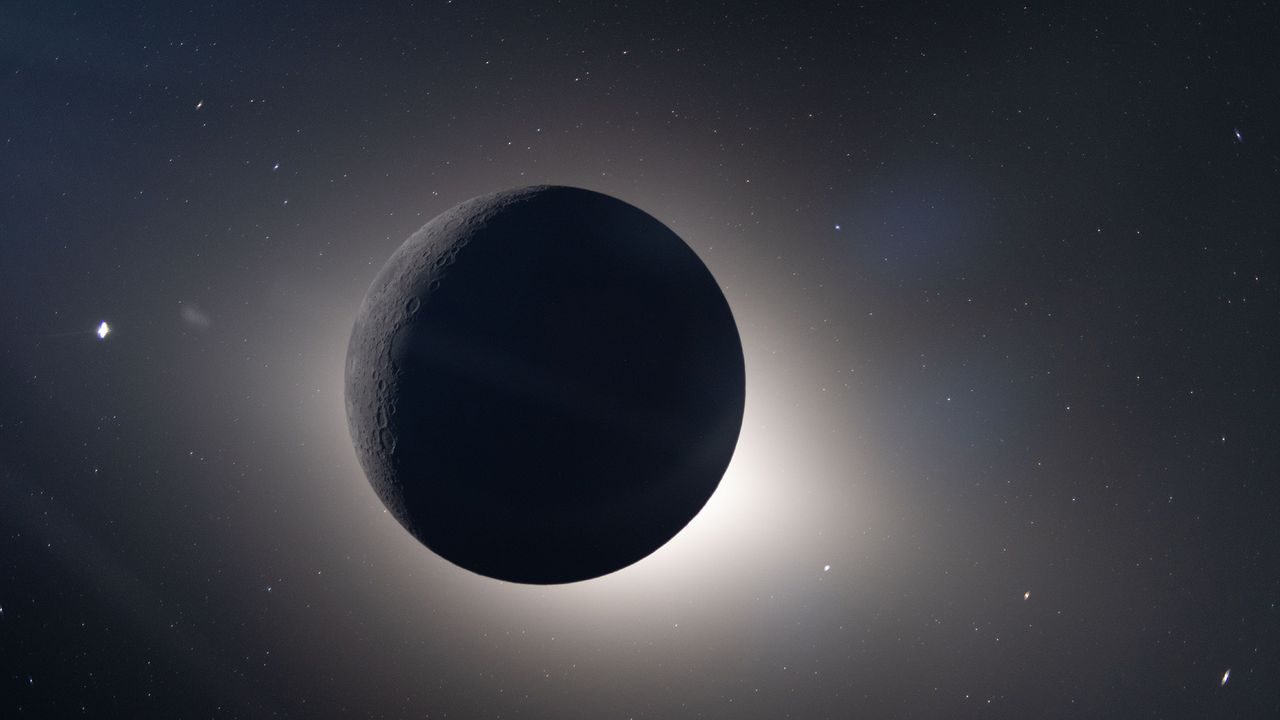
For 53 minutes on April 6, the sun vanished behind the moon — and four astronauts floating in deep space watched it happen from a vantage point no human being had ever occupied before. What they saw was so overwhelming that even the mission commander, who was trying to stay focused on science work, couldn’t ignore the sounds coming from his crew.
The Artemis II astronauts recently shared their firsthand account of that moment at a public event in Ottawa, Ontario, giving hundreds of space fans — including children in homemade astronaut costumes — a glimpse into one of the most extraordinary experiences in modern spaceflight history.
It was, by any measure, a solar eclipse unlike any ever witnessed by human eyes. Not from the ground. Not through a telescope. But from behind the moon itself, deep in space, on a record-setting journey around the lunar surface and back.
What the Artemis II Crew Actually Saw
The event took place during NASA’s Artemis II mission, which sent astronauts on a path around the moon — the first crewed lunar mission of its kind in decades. On April 6, as the spacecraft passed behind the moon, the sun disappeared from view entirely for 53 minutes, creating a solar eclipse visible only from the crew’s unique position in space.
NASA Commander Reid Wiseman described the moment at Canada’s National Arts Centre on May 13, speaking to an audience gathered for the public appearance. He was, at first, doing his job.
“As that sun was behind the moon, we had a lot of science to do,” Wiseman told the crowd.
But something was pulling his crew away from their tasks. Wiseman noticed the distraction almost immediately.
“Very quickly, I heard gasps. I heard, ‘Oh my God.’ I heard, ‘I can’t believe this.'”
Wiseman stayed disciplined, continuing his work behind the camera while his crewmates were transfixed by what was outside the window. But once his responsibilities were handled, NASA pilot Victor Glover invited him to the docking tunnel. He floated over, looked through the window — and understood exactly why his crew had gone silent with awe.
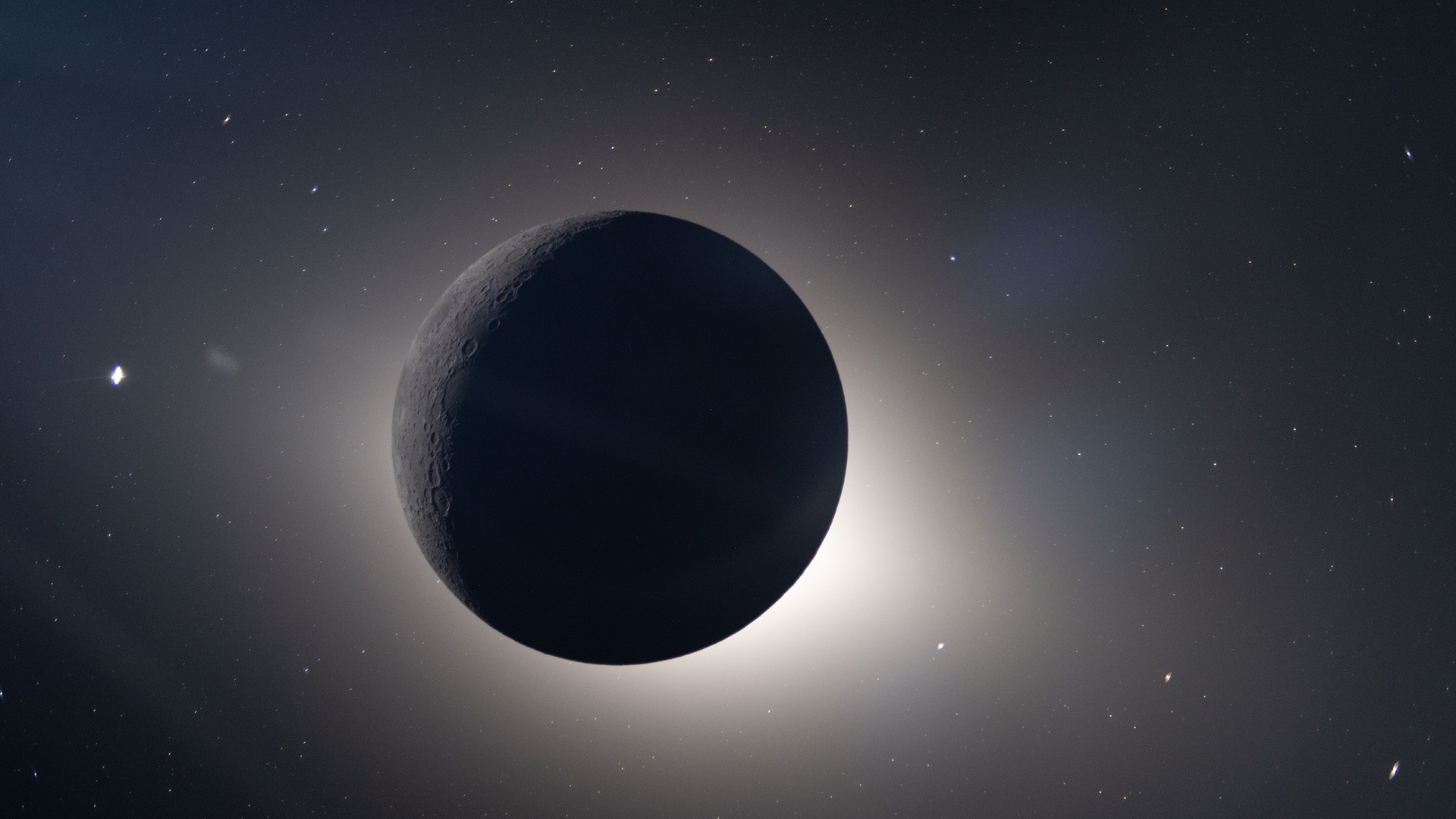
The photographs captured from that moment are striking: the moon rendered in three dimensions, curving like a ghost ship against the absolute black of space, with the sun’s light framing it from behind in a way that no camera on Earth could ever replicate.
Why This Solar Eclipse Was Different From Any Other
Solar eclipses happen on Earth with some regularity, drawing massive crowds and generating enormous excitement. But what the Artemis II crew experienced was something categorically different — and it helps to understand why.
When you watch a solar eclipse from Earth, you’re standing on the sunlit side of the planet, watching the moon pass between you and the sun. The Artemis II crew experienced the reverse: they were positioned behind the moon, watching the sun disappear on the other side of it entirely. The moon wasn’t a disc crossing in front of a distant star. It was an enormous, three-dimensional object hovering between them and the light source that powers the entire solar system.
No human being had been in that position before — at least not while looking at an eclipse. The result was something that defied easy description, even for trained astronauts who had prepared extensively for the mission.
Key Mission Facts at a Glance
| Detail | Information |
|---|---|
| Mission name | Artemis II |
| Eclipse date | April 6 |
| Duration of solar eclipse | 53 minutes |
| Commander | Reid Wiseman (NASA) |
| Pilot | Victor Glover (NASA) |
| Public appearance location | Canada’s National Arts Centre, Ottawa, Ontario |
| Public appearance date | May 13 |
| Eclipse viewing position | Behind the moon, visible only from space |
- The eclipse lasted 53 minutes — far longer than any total solar eclipse visible from Earth’s surface
- The crew had active science responsibilities during the eclipse, not just observation time
- Victor Glover was the crew member who called Wiseman to the docking tunnel window
- The event was captured in photographs described as spectacular — showing the moon’s three-dimensional curve against deep space
- The public Ottawa appearance drew hundreds of attendees, including children dressed in homemade astronaut costumes
What It Means for the People Who Were There
For the Artemis II crew, the eclipse wasn’t just a beautiful moment — it was a reminder of how profoundly different spaceflight feels when you’re actually living it versus watching it from the ground. Even astronauts trained to stay focused under pressure found themselves stopped in their tracks.
Wiseman’s account captures something honest about human nature: even when you know something extraordinary is happening, the weight of responsibility can keep your eyes on your work. It took his crewmates’ gasps — and an invitation from Glover — to pull him to the window.
For the hundreds of people who filled Canada’s National Arts Centre to hear the crew speak, the appearance offered a rare and direct connection to an experience that belongs, for now, to only a handful of people alive. The children in astronaut costumes in that audience may well be the generation that gets to have their own version of this moment someday.
What Comes Next for Artemis
Artemis II was a record-setting mission — a crewed journey around the moon and back that marked a significant milestone in NASA’s broader Artemis program, which aims to return humans to the lunar surface. The crew’s public appearances, including the Ottawa event, are part of an ongoing effort to share the mission’s findings and experiences with the public.
The photographs and science gathered during the 53-minute eclipse represent data and imagery that researchers will continue to study. And as NASA moves forward with subsequent Artemis missions, the firsthand accounts from this crew will help shape how future astronauts prepare — not just technically, but emotionally — for what it actually feels like to be behind the moon when the sun disappears.
Frequently Asked Questions
What was the Artemis II solar eclipse?
On April 6, during NASA’s Artemis II mission, the sun disappeared behind the moon for 53 minutes, creating a solar eclipse visible only from the crew’s position in space — behind the moon itself.
Who was on the Artemis II crew?
The source confirms NASA Commander Reid Wiseman and NASA pilot Victor Glover were among the crew members. Both spoke publicly about the eclipse experience at an event in Ottawa, Ontario on May 13.
How long did the space solar eclipse last?
The sun was behind the moon for 53 minutes, which is significantly longer than any total solar eclipse observable from Earth’s surface.
Where did the Artemis II crew speak publicly about the eclipse?
The crew appeared at Canada’s National Arts Centre in Ottawa, Ontario on May 13, speaking to an audience of hundreds that included children in homemade astronaut costumes.
What was Commander Wiseman doing during the eclipse?
Wiseman was focused on science work during the eclipse and only went to view it through the docking tunnel window after being invited by pilot Victor Glover once his responsibilities were complete.</p


Leave a Reply