
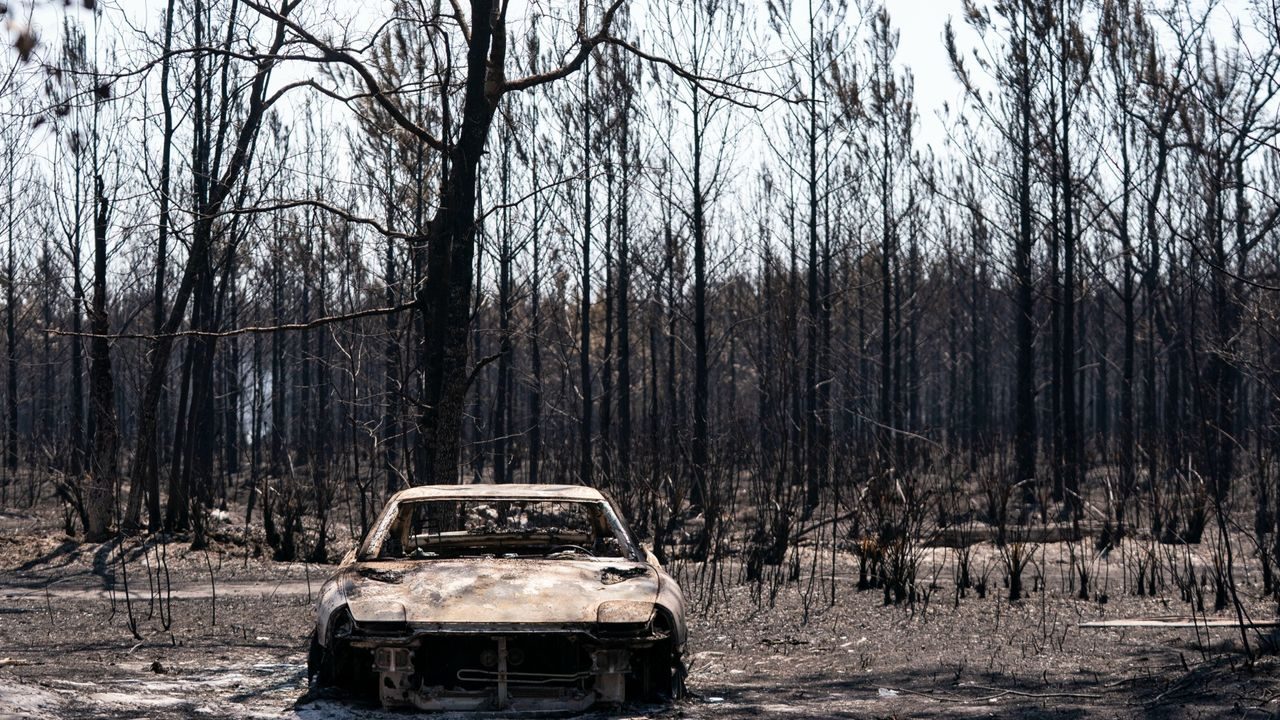
Scientists now say it’s essentially certain that humanity will miss the 1.5 degrees Celsius warming threshold — the target set to avoid the most catastrophic effects of climate change. The planet is on a path to a warmer future, and the impacts are already compounding: more extreme weather, accelerating biodiversity loss, retreating glaciers, and rising seas.
The questions that matter now aren’t whether we’ll miss the target. They’re the harder ones: How hot will it actually get? How long will temperatures stay elevated before they begin to fall? And is there anything meaningful countries can still do — even as major political forces push back against climate action?
Climate scientist Andy Reisinger has been grappling with exactly those questions. His perspective, grounded in years of scientific work on climate mitigation, offers both a sobering assessment of where things stand and a more optimistic read on why the shift toward renewable energy may be impossible to stop — regardless of who holds power in Washington or anywhere else.
The 1.5°C Target Is Gone — So What Comes Next?
For years, 1.5°C above pre-industrial temperatures served as the aspirational guardrail in global climate negotiations. It was the number embedded in the Paris Agreement, the figure that separated manageable risk from severe disruption. Scientists and policymakers treated it as a line worth fighting to hold.
That line has effectively been crossed — not in the sense that every year will now exceed 1.5°C, but in the broader trajectory of where the climate is heading. The scientific community is now focused on a different set of questions: how much higher temperatures will climb, how long the peak will last, and what the realistic path back down looks like.
The consequences of continued warming are not abstract. Extreme weather events are intensifying. Sea levels are rising in ways that threaten coastal communities. Ecosystems are being disrupted faster than species can adapt. These aren’t projections for the distant future — they’re already being measured.
Why Renewables Keep Growing Even When Governments Pull Back
One of the more striking arguments in Reisinger’s analysis is the idea that the global push toward renewable energy has developed a momentum that political resistance — including from the United States under President Donald Trump — cannot easily reverse.
The reason, according to this view, is fundamentally economic and strategic rather than ideological. Countries are not investing in solar, wind, and other clean energy sources purely out of environmental concern. They’re doing it because it serves their national interests — reducing dependence on imported fossil fuels, creating domestic industries, and lowering long-term energy costs.
That self-interest logic makes the transition structurally resilient. A government can withdraw from international climate agreements or roll back domestic regulations, but it cannot easily override the economic calculus driving energy investment decisions in dozens of countries simultaneously.
The implication is significant: even in a political environment hostile to climate action, the underlying forces driving decarbonization remain active. The transition may slow in certain places and under certain administrations, but the direction of travel is unlikely to reverse entirely.
The Real-World Stakes of a Warmer Planet
Understanding what the climate crisis actually means for ordinary people requires moving past the headline numbers. A degree or two of warming sounds abstract. The effects it produces are not.
- Extreme weather: Heatwaves, floods, droughts, and storms are becoming more frequent and more severe as average temperatures rise.
- Biodiversity loss: Species that cannot adapt quickly enough face extinction, disrupting ecosystems that human food systems depend on.
- Glacial retreat: Melting glaciers threaten freshwater supplies for hundreds of millions of people in Asia, South America, and elsewhere.
- Sea level rise: Coastal cities and low-lying nations face increasing flood risk and, eventually, displacement at scale.
- Food and water security: Agricultural systems built around historical climate patterns are being destabilized by shifting precipitation and temperature extremes.
These aren’t isolated problems. They interact and compound. A drought that reduces crop yields can trigger food price spikes that destabilize governments. A coastal flood that damages infrastructure can set back development by decades.
Where the Climate and Geopolitics Intersect
The climate conversation doesn’t happen in a geopolitical vacuum. Reisinger’s framing touches on how major global actors — including the United States under Trump and countries like Iran — fit into the broader picture of climate response.
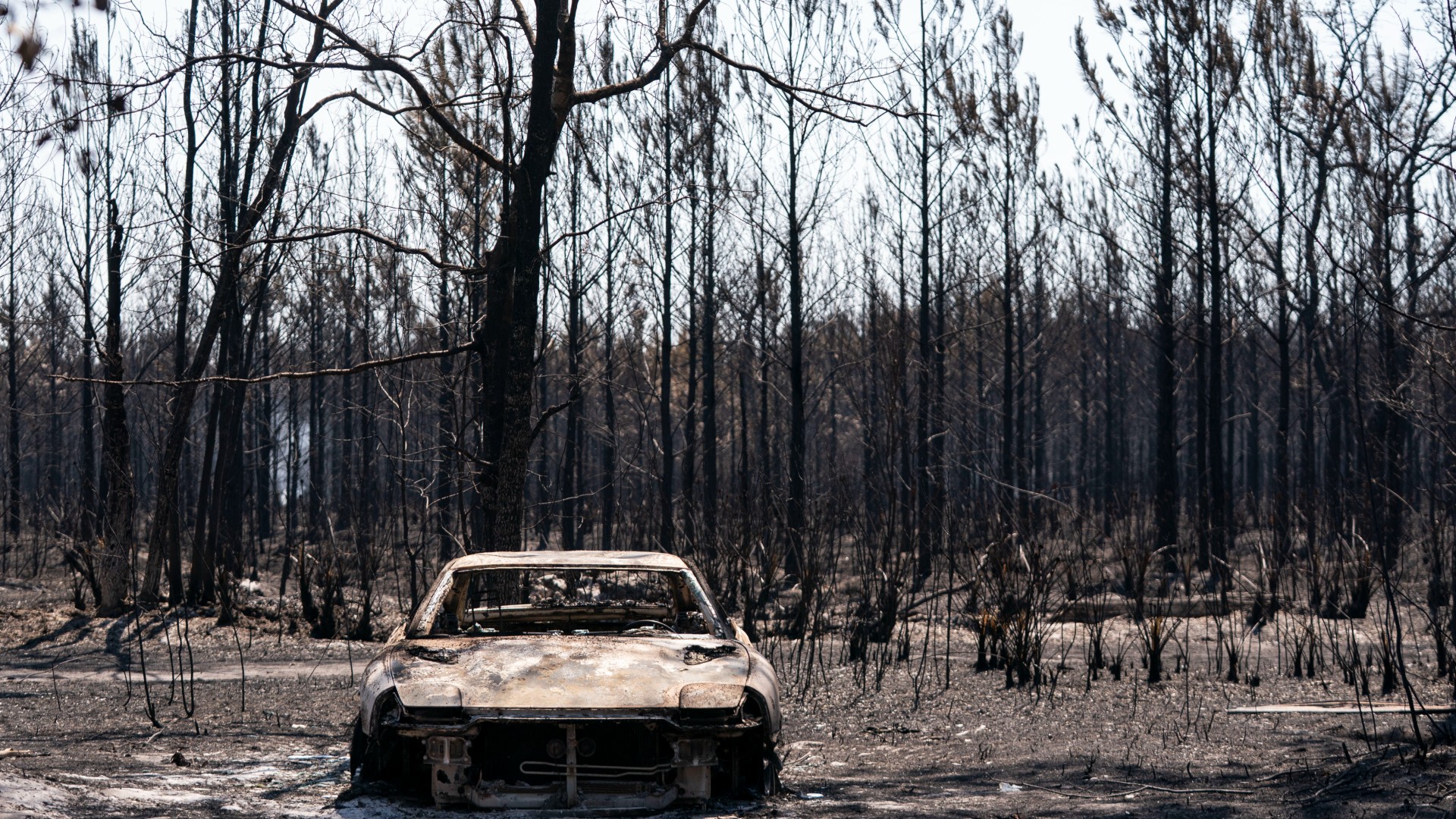
The U.S. withdrawal from climate commitments under the current administration represents a significant setback in terms of international coordination and domestic policy. But analysts who share Reisinger’s general perspective argue that American political cycles, while important, don’t determine the entire trajectory of global emissions. Other major economies continue to invest heavily in clean energy infrastructure, and the economics of renewables have shifted dramatically in the past decade.
| Climate Impact | Current Status |
|---|---|
| 1.5°C warming target | Scientists predict humanity will miss this threshold |
| Extreme weather events | Escalating in frequency and severity |
| Glacier melt | Accelerating globally |
| Sea level rise | Ongoing and increasing |
| Biodiversity loss | Worsening as temperatures climb |
| Renewable energy transition | Continuing despite political headwinds |
What the Path Forward Actually Looks Like
The honest answer is that the path forward is neither purely hopeful nor purely catastrophic. The 1.5°C target is likely gone, but the difference between 2°C and 3°C of warming is enormous — and still worth fighting for. Every fraction of a degree avoided translates into real reductions in human suffering.
The renewable energy transition is real and accelerating in many parts of the world. The economic incentives are now largely aligned with decarbonization, even where political will is absent. That doesn’t mean the problem is solved — it means the tools to address it are becoming more available and more affordable.
What remains uncertain is whether the pace of that transition will be fast enough to prevent the worst outcomes. That depends on policy decisions being made right now, in every major economy, about how quickly to phase out fossil fuels and how aggressively to invest in clean alternatives.
Frequently Asked Questions
Will the world definitely exceed 1.5°C of warming?
Scientists now broadly predict that humanity will miss the 1.5°C target set to avoid the most severe climate impacts, with the planet on a trajectory toward greater warming.
Why does Andy Reisinger believe the renewable energy push is unstoppable?
Reisinger’s view is that the transition to renewables is driven by national self-interest — energy security, economic competitiveness, and cost savings — making it resilient to political opposition.
Does the U.S. withdrawing from climate commitments under Trump matter?
It represents a significant setback for international coordination, but analysts note that the economic forces driving renewable investment in other major economies continue regardless of U.S. policy shifts.
What are the most visible effects of climate change happening right now?
According to
Is it still worth trying to limit warming if 1.5°C is already out of reach?
Yes — scientists emphasize that every fraction of a degree of warming avoided reduces real-world harm, making the difference between 2°C and 3°C highly significant for human populations and ecosystems.</p



Leave a Reply