
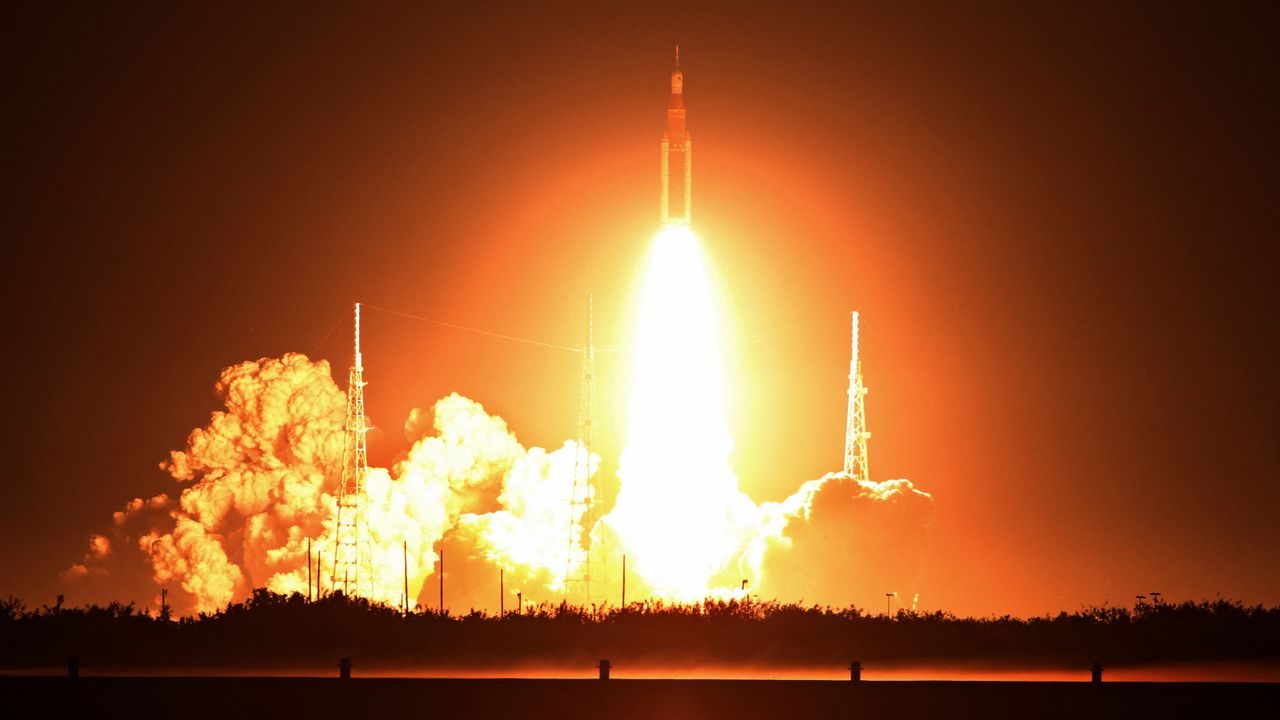
Humanity just accomplished something it hadn’t done in more than 50 years — sending a crew of astronauts on a fly-by of the Moon. But even as the world celebrated the success of Artemis II, at least one legal scholar is asking a question that the cheering crowds aren’t: can the United States actually be trusted with the Moon?
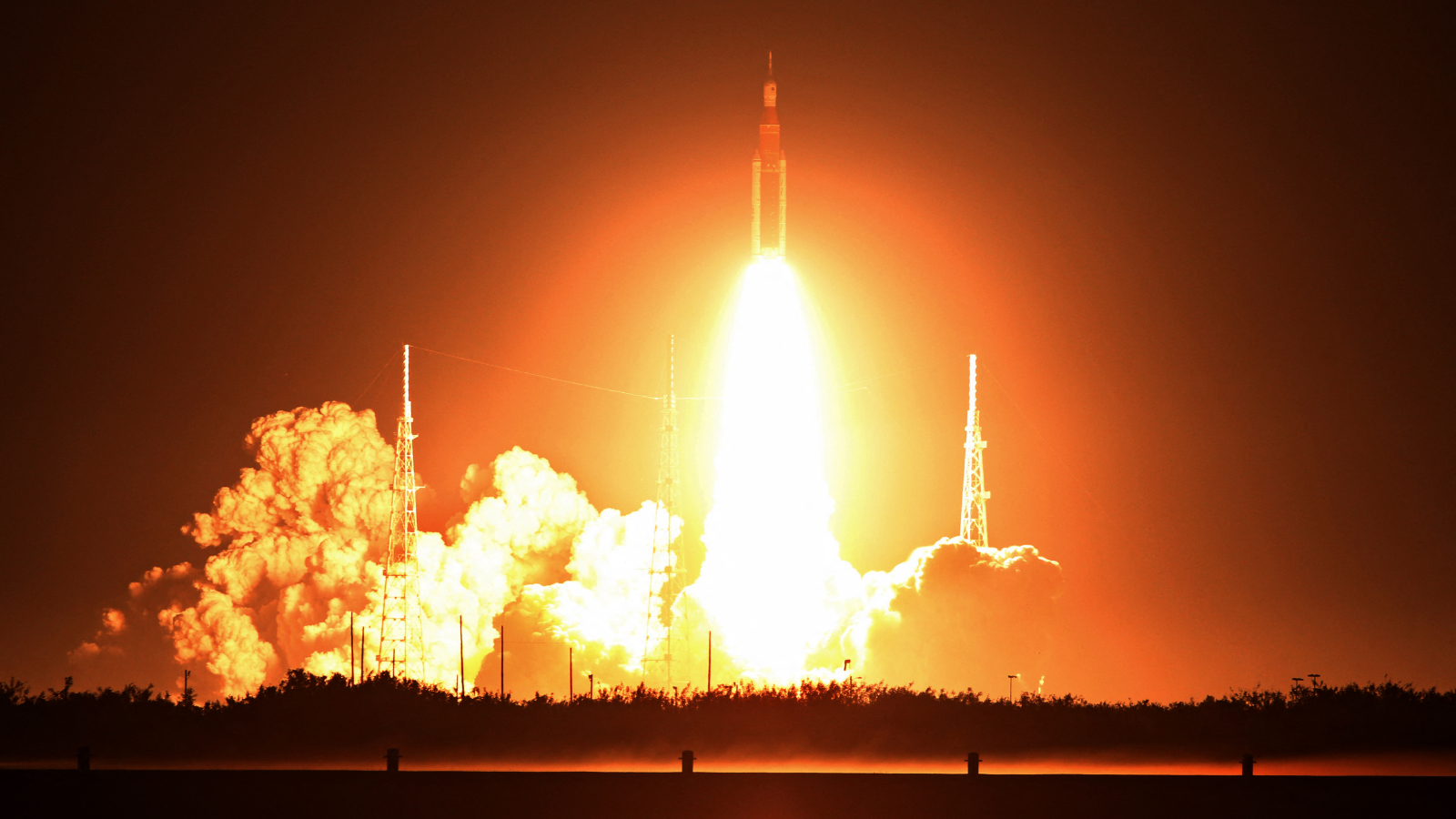
The Artemis II mission, which launched on April 1, 2026, marked the first crewed lunar fly-by since the Apollo era and pushed humans farther from Earth than they had ever traveled before. It was, by any measure, a stunning technical achievement. Yet success in space has a way of raising questions that go far beyond engineering — questions about power, governance, and who gets to decide what happens on a celestial body that belongs to no single nation.
Those questions are now getting renewed attention, and they matter far more than most post-mission coverage has suggested.
What Artemis II Actually Achieved
The mission was historic on multiple levels. According to reporting from Live Science, Artemis II represented the first crewed lunar fly-by in more than 50 years and set a record for the greatest distance traveled by humans from Earth. The crew reached the Moon and returned safely, a feat that required extraordinary coordination across NASA and its partner organizations.
Beyond the raw engineering achievement, the mission also carried symbolic weight. It demonstrated that the United States still has the capability — and the ambition — to operate at the frontier of human space exploration. That ambition, however, is precisely what is drawing scrutiny from legal and policy experts.
A mission this significant doesn’t just make history. It sets precedents. And in the absence of a robust international legal framework governing lunar activity, those precedents carry real consequences for every nation on Earth.
The Legal Questions the Celebrations Are Drowning Out
Space law scholars have long warned that humanity is moving faster than its legal institutions. The Artemis II success brings those concerns into sharper focus. The core issue is straightforward: the Moon is not American territory, yet the United States is currently the dominant force shaping how it will be accessed, used, and governed in the coming decades.
The 1967 Outer Space Treaty established that no nation can claim sovereignty over the Moon. But it says relatively little about commercial extraction, resource rights, or the kinds of long-term infrastructure that Artemis-era missions are designed to eventually support. The U.S. has moved to fill that vacuum through mechanisms like the Artemis Accords — bilateral agreements that encourage other nations to adopt American-friendly norms around lunar activity.
Critics argue this approach effectively allows one country to shape international norms unilaterally, without going through the slower, more inclusive processes of multilateral treaty negotiation. Supporters counter that the Accords are voluntary and represent a good-faith effort to establish responsible behavior in space.
The concern raised by legal scholars is not that the United States intends to exploit the Moon irresponsibly. It’s that the current framework gives any dominant spacefaring nation — including the U.S. — enormous unchecked influence over a shared global resource.
Key Context: What the Current Framework Does and Doesn’t Cover
| Legal Framework | What It Covers | What It Leaves Open |
|---|---|---|
| 1967 Outer Space Treaty | Prohibits national sovereignty claims over the Moon | Resource extraction rights, commercial activity, long-term infrastructure |
| Artemis Accords | Establishes norms for responsible exploration among signatories | Not binding under international law; excludes non-signatory nations |
| Moon Agreement (1979) | Proposed shared governance of lunar resources | Never ratified by major spacefaring nations including the U.S. |
The gap between what existing law covers and what Artemis-era activity will actually involve is significant. As missions become more ambitious — and as lunar resource extraction moves from theoretical to practical — that gap becomes harder to ignore.
Why This Matters Beyond Space Policy
It’s tempting to treat this as a niche concern for academics and space enthusiasts. It isn’t. The governance decisions being made now, largely by default, will shape who benefits from lunar resources, who has access to the scientific knowledge gained there, and whether smaller or less technologically advanced nations have any meaningful voice in humanity’s expansion beyond Earth.
The Moon has potential value — scientifically, strategically, and possibly economically — that is difficult to overstate. Water ice at the lunar poles could support long-duration human presence. Helium-3 has been discussed as a potential future fuel source. The far side of the Moon offers unique conditions for radio astronomy shielded from Earth’s interference.
If the norms governing access to all of this are set primarily by one country, that raises legitimate questions about equity, accountability, and the long-term relationship between spacefaring and non-spacefaring nations.
What Happens From Here
Artemis II was a fly-by — dramatic and historic, but not a landing. The broader Artemis program is designed to eventually return astronauts to the lunar surface and establish a sustained human presence there. Each successful mission builds political and institutional momentum toward that goal.
That momentum makes it more urgent, not less, to get the legal framework right. The window for establishing genuinely inclusive international governance of lunar activity narrows with every mission that proceeds under the current patchwork of agreements.
Legal scholars and space policy advocates have been raising these concerns for years. The success of Artemis II gives those concerns a new and very public platform. Whether policymakers — in the United States and internationally — choose to engage with them seriously remains an open question.
Frequently Asked Questions
When did Artemis II launch?
Artemis II launched on April 1, 2026, according to reporting from Live Science.
What made Artemis II historically significant?
It was the first crewed lunar fly-by in more than 50 years and set a record for the greatest distance humans have ever traveled from Earth.
Did Artemis II land on the Moon?
No. Artemis II was a fly-by mission, meaning the crew traveled around the Moon but did not land on its surface.
What legal concerns has Artemis II raised?
Legal scholars have raised concerns about whether the existing international framework adequately governs lunar activity, and whether the United States holds too much unchecked influence over how the Moon is accessed and used.
What are the Artemis Accords?
The Artemis Accords are bilateral agreements championed by the United States that establish norms for responsible lunar exploration — though they are not binding under international law and do not include all spacefaring nations.
Has the Moon Agreement resolved these issues?
No. The 1979 Moon Agreement proposed shared governance of lunar resources but was never ratified by major spacefaring nations, including the United States, leaving significant legal gaps in place.




Leave a Reply