
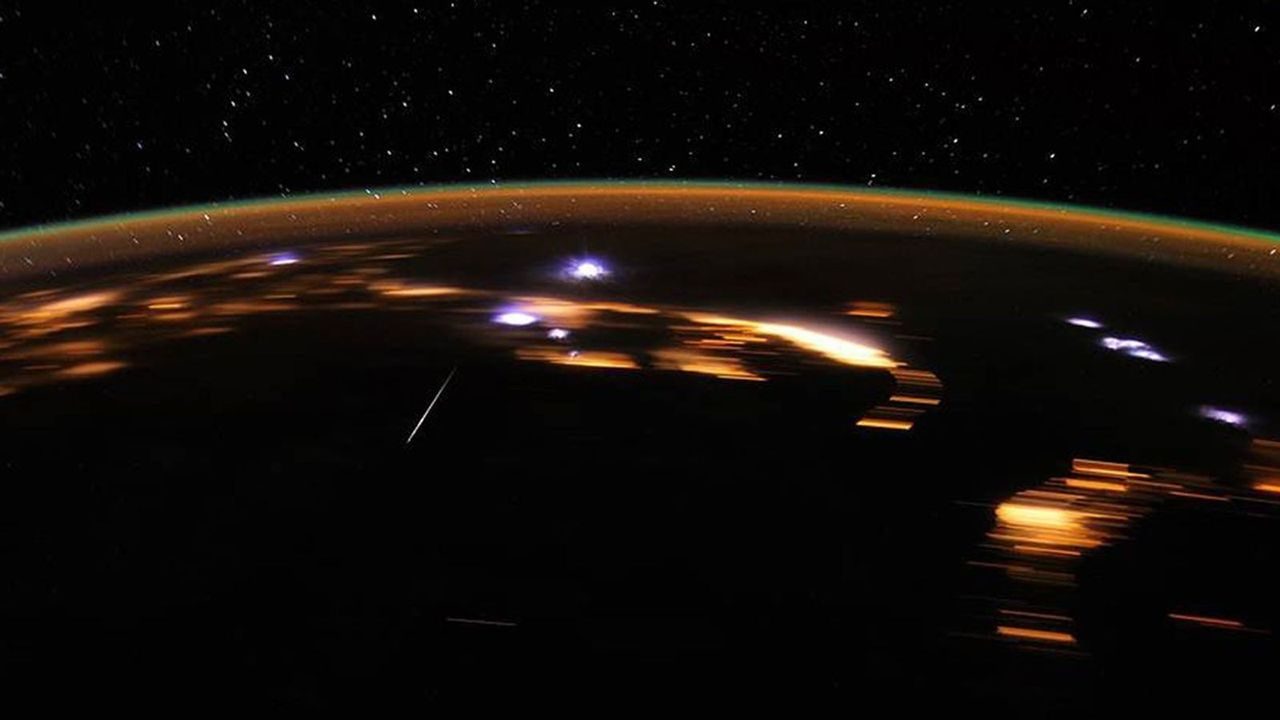
One of the oldest recorded meteor showers in human history is about to light up the night sky — and this year’s viewing conditions are about as good as they get. The Lyrid meteor shower peaks in moonless skies, giving stargazers a rare, unobstructed window to watch shooting stars and possibly bright fireballs streak overhead.
The Lyrids officially run from April 14 through April 30, but the real action happens around the peak on Wednesday, April 22. If you’ve been waiting for a reason to step outside and look up, this is it.
This isn’t just any annual light show. The Lyrids carry the distinction of being among the most historically documented meteor showers ever observed, with records stretching back thousands of years. That heritage alone makes this week’s display worth your attention.
What the Lyrid Meteor Shower Actually Is
Every year, Earth passes through a trail of debris left behind by a comet. As those tiny particles — most no larger than a grain of sand — slam into our atmosphere at tremendous speed, they burn up and produce the streaks of light we call shooting stars. That’s the basic mechanics behind every meteor shower, including the Lyrids.
The shower gets its name from the constellation Lyra, which is where the meteors appear to radiate from in the night sky. You don’t need to stare directly at Lyra to see them, though. Meteors from this shower can appear in any part of the sky, often with long, glowing trails behind them.
What makes the Lyrids stand out from other showers is their tendency to occasionally produce fireballs — exceptionally bright meteors that can briefly illuminate the entire sky. These aren’t guaranteed on any given night, but they do happen during Lyrid displays, and they’re spectacular when they do.
Why the 2026 Lyrid Peak Is Worth Staying Up For
Timing matters enormously when it comes to meteor showers, and the 2026 Lyrids are catching a lucky break. The peak falls during moonless skies, which means there’s no competing lunar glow to wash out fainter meteors. That’s a bigger deal than it might sound.
During years when a bright moon coincides with a meteor shower’s peak, you can lose a significant portion of the visible meteors — the dimmer ones simply disappear into the moonlight. This year, that problem is off the table. Dark skies mean more shooting stars visible to the naked eye.
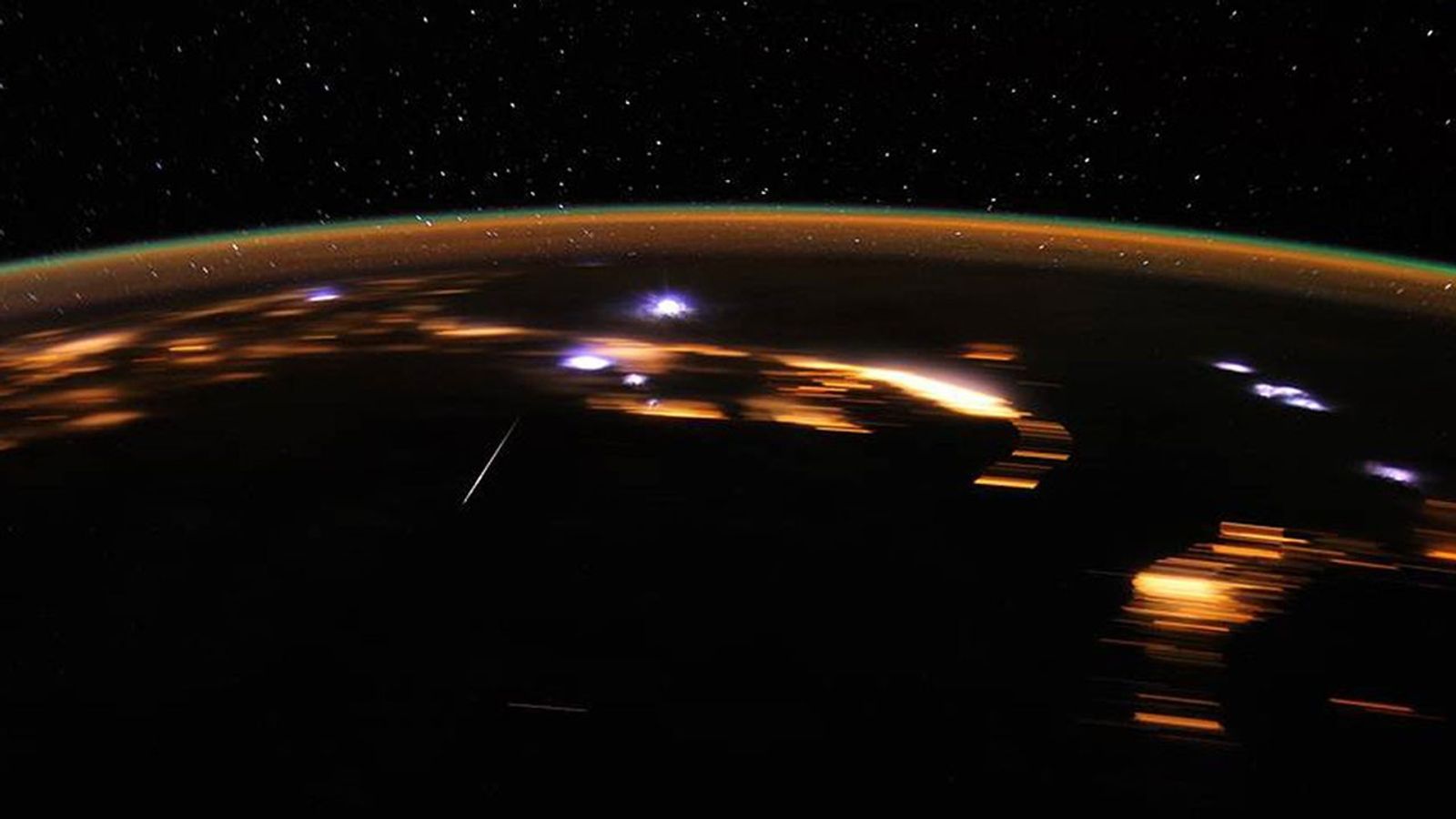
The Lyrids are described as spring’s first significant “rain of shooting stars,” arriving after a quieter stretch of the calendar for meteor activity. For many sky watchers, they represent the first real opportunity of the year to get outside for a dedicated meteor-watching session.
Key Dates and Viewing Facts at a Glance
| Detail | Information |
|---|---|
| Shower Active Period | April 14 – April 30 |
| Peak Date | Wednesday, April 22 |
| Moon Conditions at Peak | Moonless skies (favorable) |
| Radiant Constellation | Lyra |
| Notable Feature | Possible bright fireballs |
| Historical Significance | One of the oldest recorded meteor showers |
A few things worth keeping in mind before you head outside:
- The shower is active for more than two weeks, so missing the exact peak doesn’t mean missing everything
- Meteors can appear anywhere in the sky, not just near the constellation Lyra
- The darker your location, the more meteors you’ll be able to see
- Your eyes need roughly 20–30 minutes to fully adjust to darkness — avoid looking at your phone screen during that time
- Fireballs, while not guaranteed, are a genuine possibility during Lyrid displays
How This Affects Anyone Who Looks Up at the Night Sky
Meteor showers are one of the few astronomical events that require absolutely no equipment. No telescope, no binoculars, no apps — just your eyes and a reasonably dark patch of sky. That accessibility is part of what makes events like the Lyrids so widely followed.
The moonless conditions this year mean that even people in areas with moderate light pollution may have a better-than-usual experience. Observers in rural areas or locations away from city lights will naturally see the most, but the shower is visible from anywhere in the Northern Hemisphere with a clear sky.
The Lyrids also have a particular appeal for people who haven’t watched a meteor shower before. They’re active long enough that you have multiple nights to try, the peak is well-defined so you know when to prioritize your time, and the possibility of fireballs adds an element of genuine surprise that even experienced sky watchers appreciate.
What to Do Between Now and the Peak
The shower is already active, which means any clear night between now and April 30 is worth stepping outside for a look. Activity will be lower on non-peak nights, but the Lyrids can still produce visible meteors across their full active window.
For the best experience on the peak night of April 22, find a location away from streetlights and building lights, lie back so you can see as much of the sky as possible, and give yourself at least an hour outside. The hours after midnight tend to offer the most active viewing for most meteor showers, as Earth’s rotation brings your location more directly into the debris stream.
The Lyrids have been watched by humans for at least 2,700 years. This week, you have the chance to add your own moment to that long history — under some of the best sky conditions the shower will offer for years to come.
Frequently Asked Questions
When does the Lyrid meteor shower peak in 2026?
The Lyrids peak on Wednesday, April 22, 2026, during moonless skies that are favorable for viewing.
How long does the Lyrid meteor shower last?
The Lyrids are officially active from April 14 through April 30, giving observers a multi-week window to catch the shower.
Will there be fireballs during the 2026 Lyrids?
Bright fireballs are a known feature of Lyrid displays and are possible during this year’s shower, though they cannot be guaranteed on any specific night.
Do I need a telescope to watch the Lyrid meteor shower?
No equipment is needed — the Lyrids are best watched with the naked eye from a dark location with a clear view of the sky.
Why are the Lyrids considered historically significant?
The Lyrids are one of the oldest recorded meteor showers in history, with observations documented over thousands of years.
Where do Lyrid meteors appear to come from?
The meteors appear to radiate from the constellation Lyra, which gives the shower its name, though individual meteors can appear anywhere across the sky.



Leave a Reply