
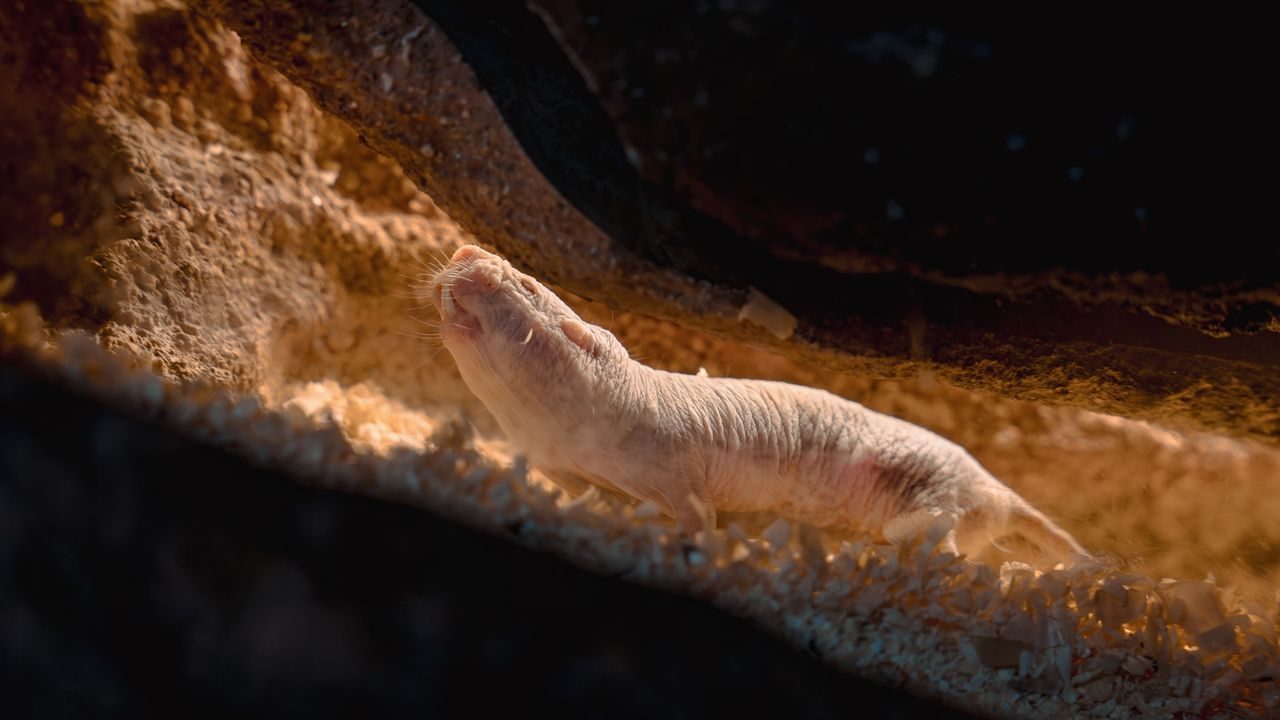
When a naked mole rat queen dies, something remarkable and brutal happens almost immediately: the colony she once controlled with absolute authority descends into chaos. Females that spent their entire lives suppressing their own reproductive instincts suddenly turn on one another in vicious, bloody battles — attacking rivals, killing pups, and fighting until only one survivor stands tall enough to claim the throne.
This succession war is one of the most dramatic power struggles in the animal kingdom. But recently, scientists observed one colony break from this violent tradition entirely — doing something researchers had never documented before in this species.
The story of naked mole rat queens is a window into how power, biology, and social order intersect in ways that still surprise even the most seasoned researchers.
How Naked Mole Rat Queens Rule — and Why Their Death Changes Everything
Naked mole rats are among the most unusual mammals on Earth. They live in large underground colonies, moving through networks of tunnels in tight-knit social groups. Their society is built around a single breeding female — the queen — who is the only individual in the entire colony permitted to reproduce.
This isn’t just social convention. The queen actively enforces her monopoly on reproduction, suppressing the fertility of every other female in the group. While she reigns, the colony functions with remarkable discipline and order. Workers dig, forage, and care for pups. No one challenges the hierarchy.
But the queen’s rule is only as stable as her life. The moment she dies, that enforced order collapses. The biological suppression she maintained lifts, and suddenly every female in the colony becomes a potential successor — and a potential threat.
What follows is described by researchers as a war of succession. Females attack one another. Pups are killed. The colony, once a model of cooperation, becomes a battleground. The violence continues until one female establishes dominance over all others and assumes the role of queen, beginning her own reign of reproductive exclusivity.
What Makes Naked Mole Rat Succession So Biologically Fascinating
The naked mole rat’s social structure is extraordinarily rare among mammals. In biological terms, they are described as eusocial — a classification more commonly associated with insects like bees and ants than with warm-blooded animals.
Here is what sets naked mole rats apart from most other mammals:
- They live in large underground colonies with a strict social hierarchy
- Only one female — the queen — is allowed to breed
- All other females have their reproduction actively suppressed
- Workers, both male and female, dedicate their lives to supporting the colony
- The queen physically intimidates subordinates to maintain her dominance
- Upon the queen’s death, succession is typically decided through violent competition
This combination of rigid hierarchy and explosive succession violence makes them one of the most studied social animals in behavioral biology.
| Trait | Naked Mole Rats | Most Other Mammals |
|---|---|---|
| Breeding females per colony | One (the queen) | Multiple, often unrestricted |
| Social classification | Eusocial | Rarely eusocial |
| Reproductive suppression | Active and enforced | Not typically present |
| Succession method | Violent competition (typically) | Varies widely |
| Colony structure | Underground tunnel networks | Varies by species |
The Colony That Did Something Scientists Had Never Seen Before
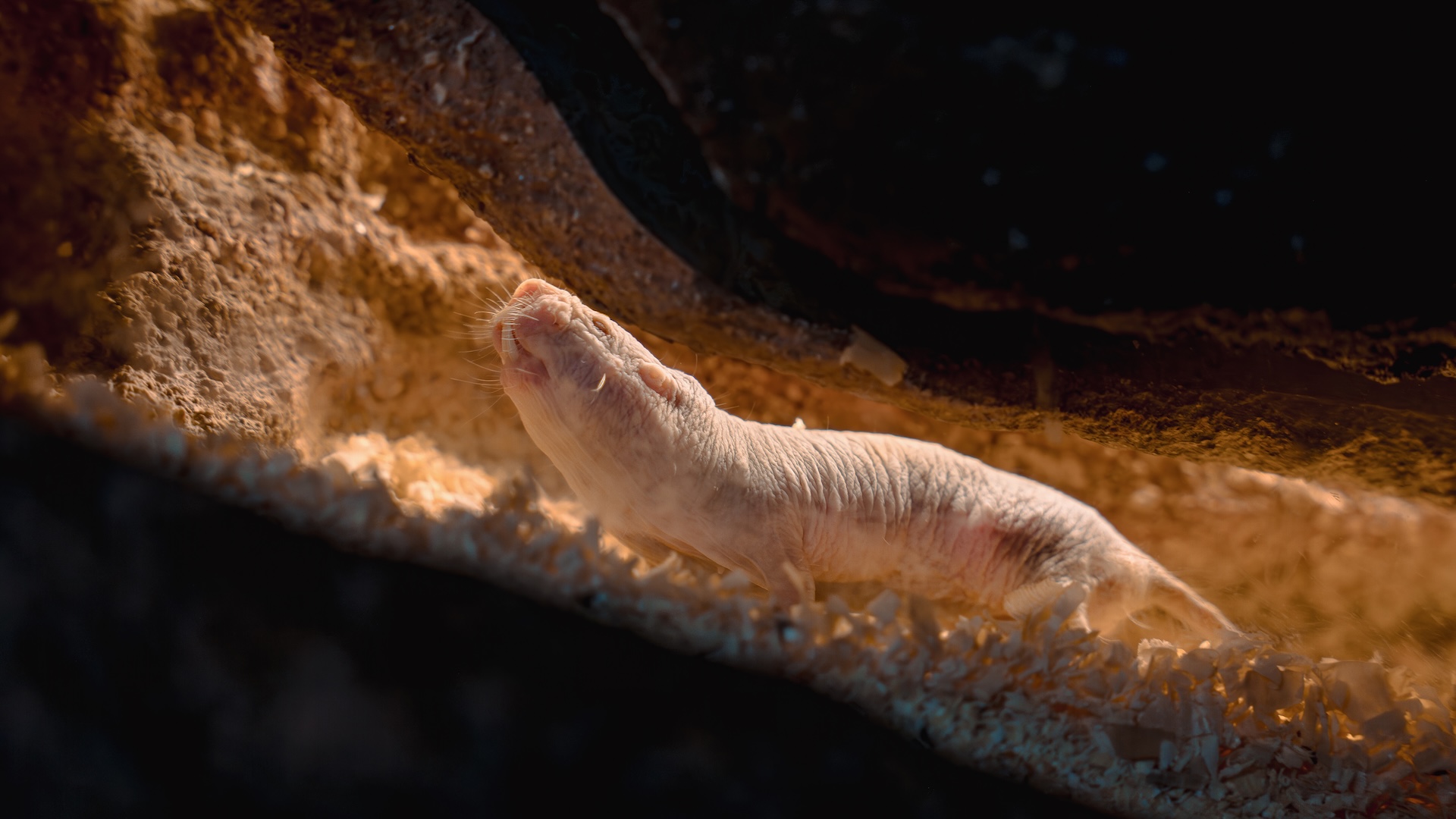
This is where the story takes an unexpected turn. While the bloody war of succession has been well documented across naked mole rat colonies, researchers observed one colony that broke from this pattern entirely — behaving in a way that had never been recorded in the scientific literature before.
The specific details of what this colony did differently have not been fully disclosed in the available That is not a small thing.
For researchers who study animal behavior and social evolution, a single colony deviating from a universal pattern raises profound questions. Was it a fluke? A learned behavior? A sign of something more flexible in the mole rat’s social wiring than previously assumed?
Why This Discovery Matters Beyond the Underground
It would be easy to treat this as an interesting curiosity — wrinkly underground rodents doing something weird. But the implications reach further than that.
Naked mole rats are already scientifically valuable for reasons well beyond their social structure. They are extraordinarily long-lived for their size, largely resistant to cancer, and capable of surviving conditions that would kill most other mammals. They have been studied in the context of aging research, pain resistance, and even cancer biology.
Their social behavior adds another layer of scientific interest. Understanding how and why one colony managed to avoid the violent succession process could shed light on the flexibility of instinctual behavior — not just in mole rats, but in social animals more broadly, including humans.
If a behavior as deeply wired as succession violence can be circumvented under certain conditions, it suggests that even ancient biological imperatives are not completely fixed. That is a finding with implications far beyond any single species.
What Researchers Will Be Watching Next
The observation of this unprecedented colony behavior opens a new line of inquiry for scientists studying naked mole rats. The key questions going forward will likely focus on whether this alternative succession pattern can be repeated, what conditions allowed it to emerge, and whether it confers any survival advantage on the colony that avoided the violence.
Naked mole rat research has a history of delivering surprises — animals that live far longer than expected, tolerate pain in unusual ways, and organize themselves in patterns more reminiscent of insect colonies than mammal groups. This latest finding suggests there may still be more unexpected chapters ahead in understanding one of science’s most reliably astonishing creatures.
Frequently Asked Questions
How do naked mole rats choose a new queen?
Typically, when a queen dies, surviving females engage in violent battles — attacking rivals and killing pups — until one female establishes dominance and takes over as the sole breeding individual.
Why can’t other females in a naked mole rat colony reproduce?
The reigning queen actively suppresses the reproductive biology of all other females in the colony, enforcing her exclusive right to breed for as long as she lives.
What makes naked mole rats unusual among mammals?
They are one of the only known eusocial mammals, meaning they live in structured colonies with a single breeding female — a social system far more common in insects like bees and ants.
What did the unusual colony do differently during succession?
Scientists observed a colony that deviated from the typical violent succession process in a way never previously documented, though the full details of the specific behavior have not been disclosed in the available source material.
Are naked mole rats studied for reasons beyond their social behavior?
Yes — naked mole rats are also studied for their exceptional longevity, strong resistance to cancer, and unusual tolerance for conditions that would be fatal to most other mammals.
Does this discovery change what scientists know about animal instinct?
It raises important questions about the flexibility of deeply ingrained instinctual behaviors, suggesting that even ancient biological patterns may not be entirely fixed under all conditions.




Leave a Reply