
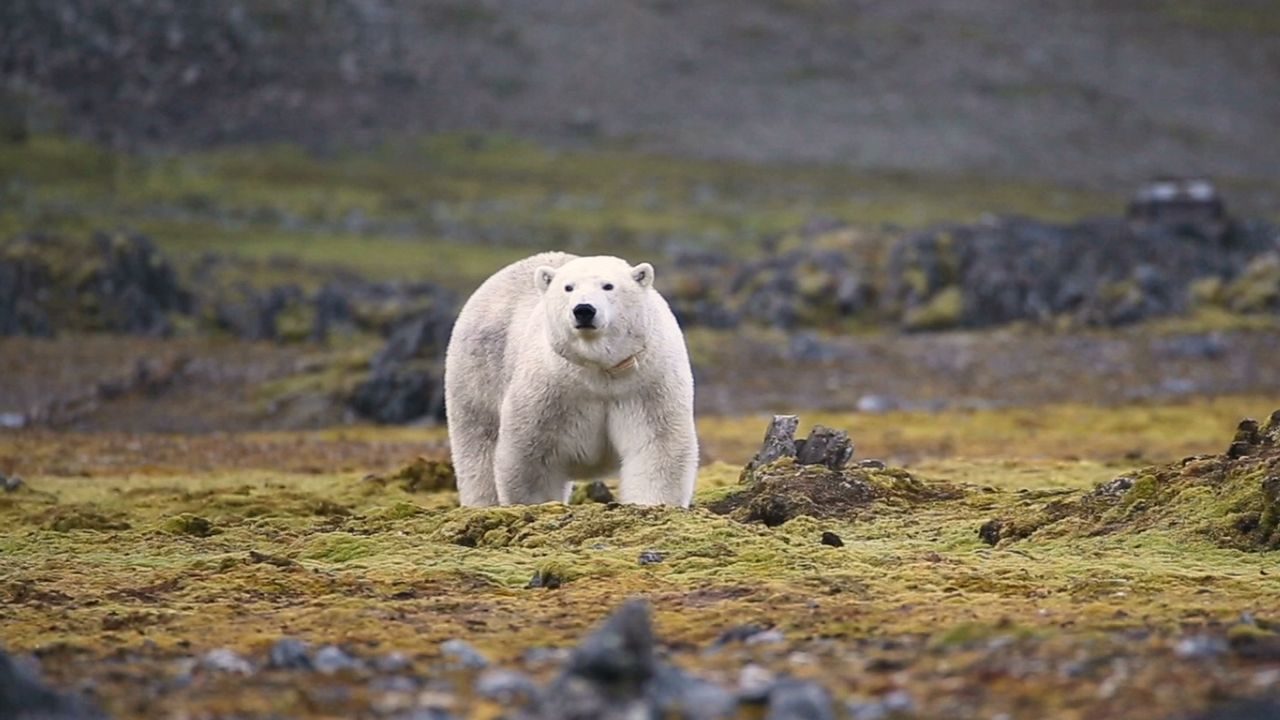
Polar bears — the iconic symbol of the Arctic and of climate change itself — may be showing something scientists didn’t fully expect: signs of adaptation. In Svalbard, a Norwegian archipelago deep in the Arctic, polar bears have been observed eating hundreds of birds’ eggs and appearing healthier and fatter than researchers anticipated. Meanwhile, in the warmer reaches of Greenland, some bears appear to be showing genetic signs of adapting to a rapidly changing environment.
For a species so closely tied to sea ice, this is a striking development. Polar bears depend on frozen ocean surfaces to hunt seals — their primary food source. As Arctic ice melts earlier and forms later each year due to climate change, the bears’ traditional survival strategies are being disrupted. The fact that some populations seem to be finding new ways to cope has generated cautious optimism among wildlife watchers and researchers alike.
But the question hanging over all of it is a serious one: is this adaptation enough to save the species, or are these simply small bright spots in an otherwise deeply troubled picture?
What Is Actually Happening With Polar Bears Right Now
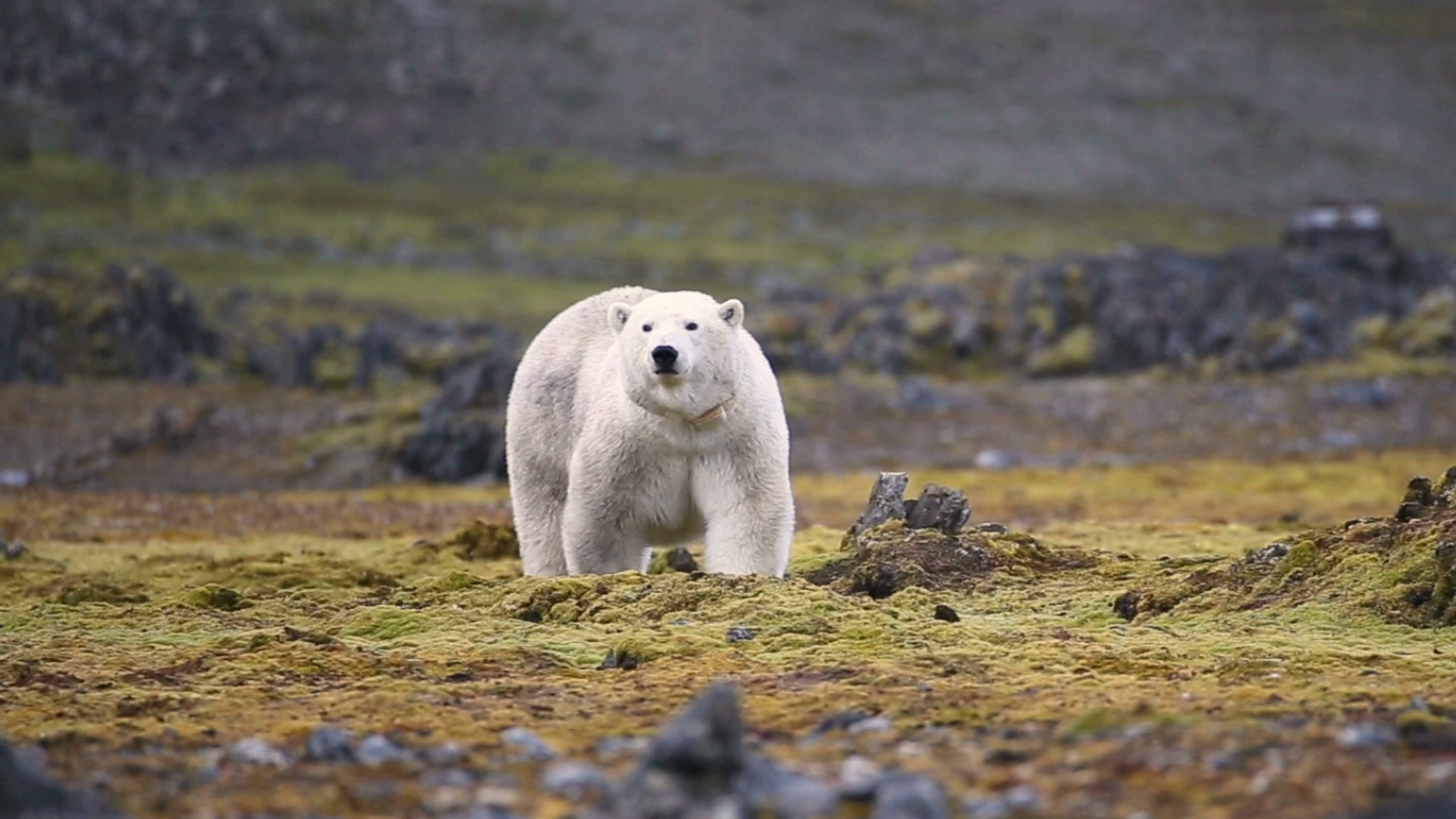
The observations coming out of Svalbard are among the most concrete signs that some polar bears are adjusting their behavior in response to habitat loss. Bears in the region have been documented consuming large quantities of birds’ eggs — a food source that wasn’t historically considered a significant part of their diet. And rather than appearing malnourished or underweight as many scientists feared given the scale of ice loss, these bears have reportedly been looking fatter than expected.
This kind of behavioral flexibility — switching food sources when traditional ones become harder to access — is an encouraging sign. It suggests that at least some polar bear populations are capable of responding to environmental pressure in real time, not just over thousands of years of slow evolutionary change.
In Greenland, the picture is different but equally significant. There, bears in warmer regions are reportedly showing signs of genetic adaptation to climate change. This is a more fundamental kind of change — not just a shift in behavior, but a shift in biology. It raises the possibility that natural selection is already at work, favoring individuals whose genetics make them better suited to a warmer, less icy world.
Why Polar Bears Are So Vulnerable to Climate Change
To understand why these findings matter, it helps to understand just how dependent polar bears are on a very specific set of conditions. Unlike many large mammals, polar bears evolved almost entirely around one hunting strategy: waiting at holes in sea ice for seals to surface. Their body size, fat storage, and seasonal behavior are all built around this method.
When sea ice disappears for longer periods each year, bears are left onshore with limited food options. Extended fasting periods lead to weight loss, reduced reproduction, and higher cub mortality. Populations in some regions have already declined significantly. The longer the ice-free season stretches, the harder it becomes for bears to recover the fat reserves they need to survive.
That’s what makes the Svalbard observations so notable. Bears supplementing their diet with bird eggs — while not a complete replacement for seal hunting — at least suggests some individuals are resourceful enough to find caloric alternatives when ice is unavailable.
A Closer Look at the Two Types of Adaptation Being Observed
| Location | Type of Adaptation | What It Looks Like |
|---|---|---|
| Svalbard, Norwegian Arctic | Behavioral | Bears eating large numbers of birds’ eggs; appearing healthier and fatter than expected |
| Greenland (warmer regions) | Genetic | Signs of genetic adaptation to a warming, less ice-dependent environment |
These two categories — behavioral and genetic — represent very different timescales and mechanisms. Behavioral adaptation can happen within a single generation. A bear that learns to raid bird nests passes that habit on through observation. Genetic adaptation, by contrast, typically unfolds over many generations, driven by which individuals survive long enough to reproduce.
The fact that both types appear to be occurring simultaneously is what makes this story genuinely unusual.
The Part of This Story That Should Still Worry Us
Here’s the honest reality: behavioral flexibility and early genetic signals, while meaningful, are not a guarantee of survival for the species. Polar bears are still classified as a vulnerable species, and the underlying driver of their decline — the accelerating loss of Arctic sea ice due to greenhouse gas emissions — has not slowed down.
- Bird eggs are a seasonal, limited resource and cannot replace the caloric density of seals year-round
- Not all polar bear populations live near seabird colonies or have access to alternative food sources
- Genetic adaptation takes generations — and the pace of climate change may be outrunning the pace of natural selection
- Bears in some regions face far more severe ice loss than those in Svalbard or parts of Greenland
Researchers note that what’s happening in Svalbard and Greenland may not be representative of polar bear populations globally. The Arctic is a vast region, and conditions vary enormously between subpopulations. Some bears may be in far worse shape than these encouraging findings suggest.
What This Means for the Future of the Species
The findings from Svalbard and Greenland offer something genuinely valuable: proof that polar bears are not entirely passive victims of climate change. Some individuals, and perhaps some populations, have more resilience than the most pessimistic projections assumed.
But resilience is not the same as immunity. Even the most adaptable species have limits, and those limits are defined by the rate and scale of environmental change. If Arctic ice continues to disappear at current projections, the question is not whether polar bears can adapt at all — it’s whether they can adapt fast enough, and whether enough of them can do so before populations fall below sustainable levels.
The bears of Svalbard eating eggs on a rocky shoreline, looking surprisingly healthy against all expectations — that image is real, and it matters. What happens next depends far less on the bears themselves than on the decisions humans make about carbon emissions in the years ahead.
Frequently Asked Questions
Where are polar bears showing signs of adaptation to climate change?
Two regions have drawn attention: Svalbard, a Norwegian archipelago in the Arctic, where bears have been eating birds’ eggs and appearing healthier than expected, and warmer parts of Greenland, where bears are showing signs of genetic adaptation.
What are polar bears in Svalbard eating instead of seals?
Bears in Svalbard have been observed consuming large numbers of birds’ eggs, a food source not traditionally considered a major part of their diet, and have been reported to look fatter than scientists anticipated.
Is genetic adaptation to climate change confirmed in polar bears?
Bears in warmer regions of Greenland are reportedly showing signs of genetic adaptation, though the full scope and implications of this are still being studied.
Does this mean polar bears are no longer at risk?
No. While these findings are encouraging, polar bears remain a vulnerable species, and the ongoing loss of Arctic sea ice continues to pose a serious long-term threat to the species as a whole.
Can polar bears survive on bird eggs if sea ice disappears completely?
Eggs are a seasonal and limited food source and are not considered a sufficient replacement for the calorie-rich diet seals provide — meaning they can supplement survival but are unlikely to sustain populations on their own.
Are all polar bear populations showing these signs of adaptation?
No. The observations from Svalbard and Greenland may not reflect conditions across all polar bear subpopulations, and some regions face far more severe habitat loss with fewer alternative food sources available.

Leave a Reply