
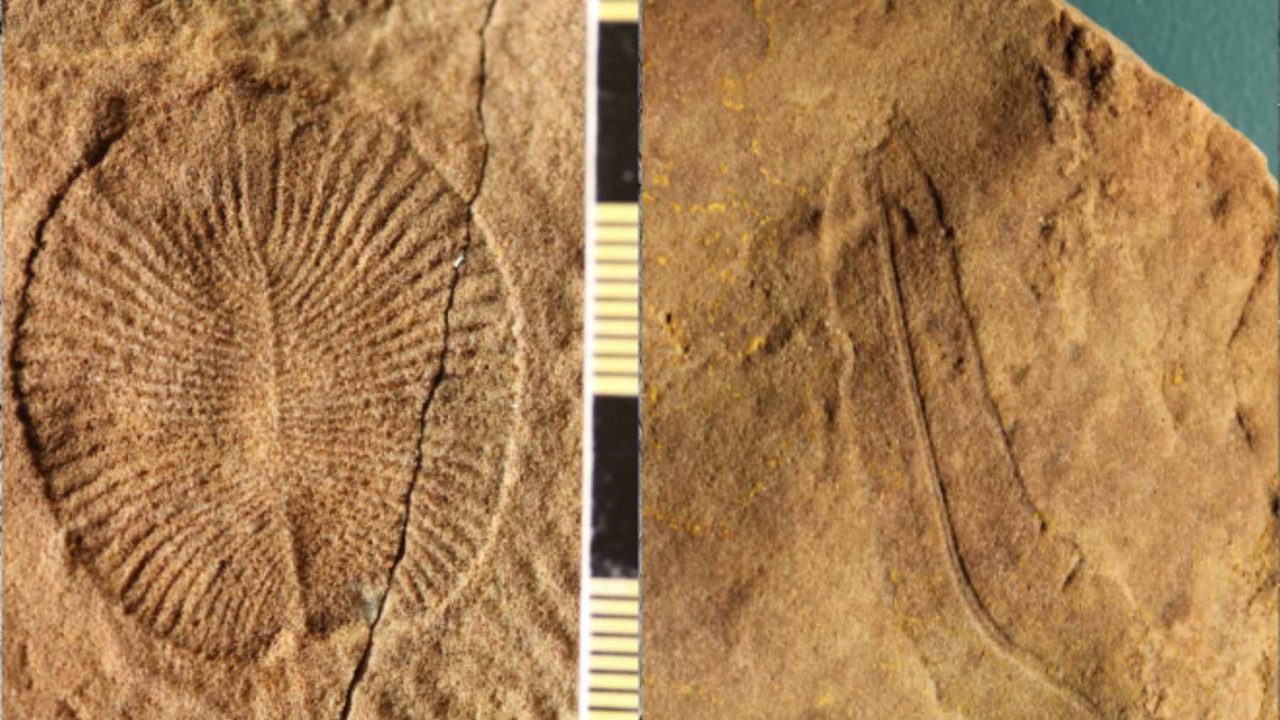
Around 550 million years ago, something catastrophic happened to life on Earth — and for decades, scientists have been underestimating just how bad it was. A newly described fossil site in Newfoundland, Canada is now forcing researchers to take a hard second look at one of the planet’s earliest mass extinctions, and the picture emerging is far more devastating than previously understood.
The site, known as the Inner Meadow Lagerstätte, preserves soft-bodied organisms from approximately 551 million years ago with extraordinary clarity. What makes it so significant isn’t just the quality of preservation — it’s what the fossils reveal about timing, diversity, and collapse. The evidence points to an extinction event called the Kotlin Crisis wiping out far more early life than most researchers had assumed, and doing so across multiple ecosystems at once.
For anyone who thinks ancient extinction events are purely academic, consider this: understanding how and why Earth’s earliest complex life collapsed could hold critical lessons for how ecosystems respond to sudden, dramatic change. That conversation is very much alive right now.
What Makes the Inner Meadow Lagerstätte So Unusual
The word “Lagerstätte” is a German geological term scientists use to describe sites where fossils are preserved in exceptional detail — sometimes capturing soft tissues and body structures that would normally decompose and disappear entirely from the record. These sites are rare, and they function almost like a high-resolution photograph from a time when most of the fossil record is a blur.
This matters enormously when studying Ediacaran organisms, the earliest known large, complex life forms on Earth. Most of these creatures had no shells, no bones, and no teeth. Without extraordinary preservation conditions, they simply vanish. The Inner Meadow site offers a window into a world that is otherwise almost invisible to science.
What researchers found there challenges a long-standing assumption about when certain types of early life existed. The fossils at Inner Meadow resemble classic “Avalon” organisms — a group associated with an earlier period of Ediacaran life — but they appear much later in the geological timeline than expected. Specifically, they show up right before a major crash in biodiversity.
That timing is the key to everything. It suggests these organisms weren’t gone before the Kotlin Crisis hit. They were still present, still part of active ecosystems, and then they were gone.
The Kotlin Crisis: An Early Mass Extinction Hiding in Plain Sight
The Kotlin Crisis refers to an extinction event that occurred approximately 550 million years ago, during the Ediacaran period — long before the more famous mass extinctions most people have heard of, like the one that ended the dinosaurs. For a long time, its scale and reach were considered relatively limited, a localized or partial die-off rather than a sweeping global catastrophe.
The Inner Meadow evidence challenges that framing directly. Researchers now argue the Kotlin Crisis likely eliminated far more early life than previously believed, and that it may have struck multiple ecosystems simultaneously rather than affecting only isolated regions or communities.
The presence of Avalon-type organisms at a later-than-expected point in time — right at the edge of the crisis — suggests that the diversity of life before the event was greater than the fossil record had previously indicated. More diversity going in means more loss coming out.
| Key Detail | What We Knew Before | What Inner Meadow Suggests |
|---|---|---|
| Age of site | Avalon organisms were thought to disappear earlier | Avalon-type fossils present at ~551 million years ago |
| Kotlin Crisis scale | Considered a limited or partial extinction | May have been far larger, hitting multiple ecosystems |
| Fossil preservation | Soft-bodied organisms rarely preserved | Lagerstätte conditions captured unusual detail |
| Biodiversity before crisis | Assumed to be lower than post-Ediacaran life | Likely greater than previously recognized |
Why the Fossil Record Was Misleading Us
One of the harder truths in paleontology is that absence of evidence is not evidence of absence. When soft-bodied creatures die in ordinary conditions, they leave nothing behind. This creates a systematic blind spot — scientists can only study what was preserved, which means entire communities of early life may have existed, thrived, and vanished without leaving any trace at all.
The Kotlin Crisis likely killed organisms that were never going to fossilize under normal circumstances. That means the standard fossil record, which forms the basis of most extinction estimates, may be structurally undercounting the scale of the loss. Sites like Inner Meadow, where exceptional preservation captures what would otherwise be invisible, are the only way to correct for that bias.
Researchers argue this is exactly why the Kotlin Crisis has been underestimated for so long. The organisms it destroyed were precisely the kind least likely to leave a record. Without Lagerstätten sites to fill in the gaps, the extinction looks smaller than it actually was.
What This Means for How We Understand Early Life on Earth
The implications reach beyond a single extinction event. If the Kotlin Crisis was significantly larger than current models suggest, then the trajectory of early animal evolution needs to be reconsidered. The communities that survived, and those that didn’t, shaped everything that came after — including, eventually, the ancestors of every animal alive today.
Researchers note that the new evidence suggests the crisis may have hit multiple ecosystems at once rather than moving through them sequentially. That kind of simultaneous, broad-front collapse points to a more severe and widespread trigger than a localized environmental shift. What exactly caused the Kotlin Crisis remains an open question, but the scale now implied demands a more serious explanation.
The Inner Meadow site represents the kind of discovery that doesn’t just add a data point — it changes the shape of the question entirely. Scientists are now working to understand not just what died, but how much of early life’s full complexity has been hiding just beyond the edge of the fossil record this entire time.
Frequently Asked Questions
What is the Inner Meadow Lagerstätte?
It is a newly described fossil site in Newfoundland, Canada, where soft-bodied organisms from approximately 551 million years ago are preserved in exceptional detail, offering rare insight into early Ediacaran life.
What is the Kotlin Crisis?
The Kotlin Crisis is an extinction event that occurred around 550 million years ago during the Ediacaran period. New evidence suggests it may have been far larger and more widespread than previously believed.
Why are Ediacaran fossils so hard to find?
Most Ediacaran organisms had no shells, bones, or teeth, meaning they rarely fossilized under normal conditions. Special preservation sites called Lagerstätten are needed to capture evidence of their existence.
What makes the Inner Meadow findings surprising?
Fossils resembling classic “Avalon” organisms — previously thought to have disappeared earlier — were found at a later point in time, right before the major biodiversity crash associated with the Kotlin Crisis.
Does this discovery change what we know about animal evolution?
It suggests the diversity of early life before the Kotlin Crisis was greater than recognized, which means the crisis eliminated more of that early complexity than current models account for.
What caused the Kotlin Crisis?
The cause has not yet been confirmed. The new evidence suggesting the crisis struck multiple ecosystems simultaneously points to a significant and widespread trigger, but the specific cause remains an open scientific question.



Leave a Reply