
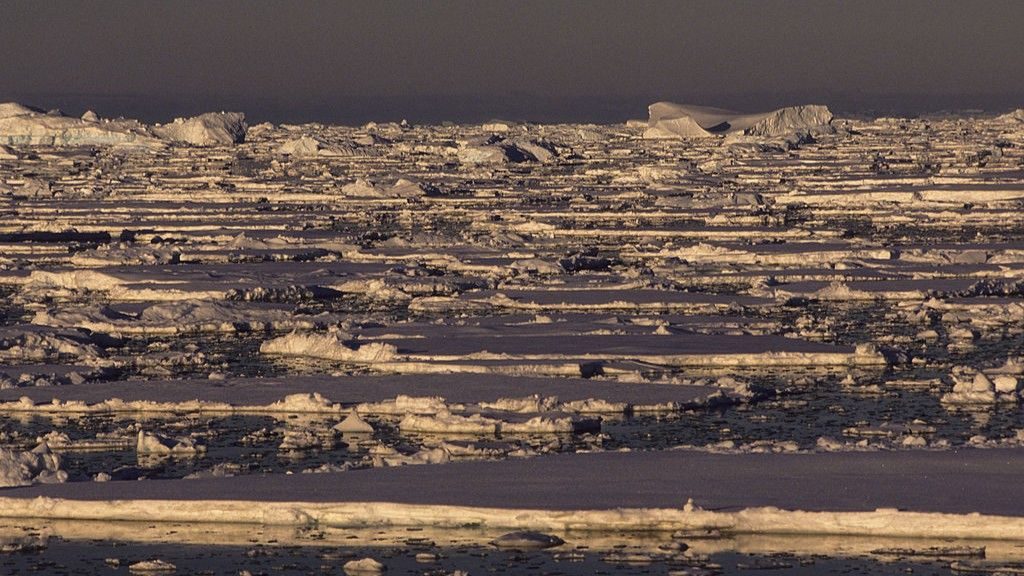
Antarctica was supposed to be the exception. While the Arctic shrank and global temperatures climbed, the sea ice surrounding the southern continent actually grew slightly through the 2000s and early 2010s — a stubborn anomaly that puzzled climate scientists for years. Then, in 2015, something broke. The ice began disappearing at a pace that shocked researchers, and it has not come back.
A new study published May 8 in the journal Science Advances has identified what triggered that collapse — and why the loss has continued to spiral far beyond what climate models predicted. The findings reframe one of the most dramatic and confusing events in the modern climate record.
By July 2023, Antarctica was missing a chunk of sea ice larger than Western Europe at what should have been the height of winter. That single fact captures just how far outside normal this situation has become.
What Actually Caused Antarctica’s Sea Ice to Collapse
The research identified a chain reaction — not a single cause — that set the collapse in motion. It began with strong winds disturbing the natural layering of the Southern Ocean. That disruption pushed cold, relatively fresh surface water aside and pulled up warmer, saltier water from below. That warmer water caused the initial melting.
But the trigger was only the beginning. As sea ice declined, it reflected less sunlight back into space — a process scientists call the albedo effect. Open ocean water absorbs far more solar heat than white ice does. So less ice meant more heat absorbed, which meant even less ice. The cycle accelerated well beyond what scientists had anticipated.
The study’s first author, Aditya Narayanan, a physical oceanographer, noted that the system is now behaving in a fundamentally different manner than it did before 2015. That shift appears to be structural, not temporary.
Three Phases of a Decade-Long Decline
Researchers mapped the collapse into three distinct phases spanning 2013 to 2023. Each phase represented a deepening of the crisis, with the ice failing to recover between downturns in the way it historically had.
| Period | Key Event | Significance |
|---|---|---|
| Pre-2015 | Sea ice extent growing slightly | Antarctica appeared to resist global warming trends |
| 2015 onward | Dramatic decline begins | Strong winds disrupt Southern Ocean layering; warm water rises |
| February 2023 | Record low sea ice extent recorded | Lowest measurement in the modern satellite record |
| July 2023 | Winter peak ice missing area larger than Western Europe | Extraordinary loss even during the season ice should be growing |
| 2024 | Near-record low reached again | No meaningful recovery from 2023 collapse |
| 2025–early 2026 | Extent remains below 1981–2010 average | The new baseline appears to be permanently lower |
The pattern is clear: each year that passes without recovery makes the case stronger that this is not a temporary fluctuation. The ice that Antarctica has lost is not coming back on any short-term timescale.
Why This Goes Beyond a Regional Problem
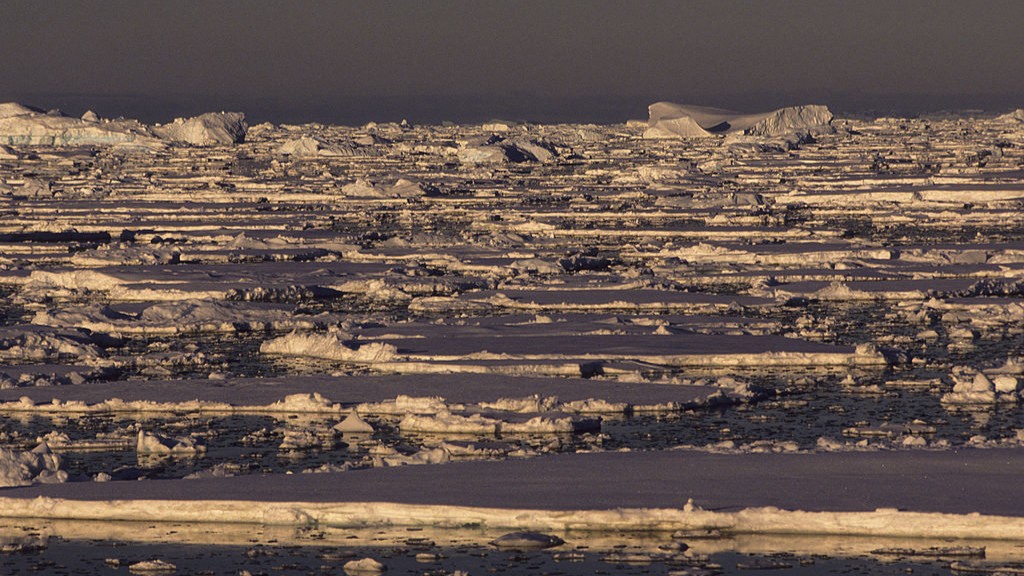
Antarctic sea ice does more than just sit at the bottom of the world. It plays an active role in regulating global climate systems, and its loss sends ripple effects far beyond the Southern Ocean.
- Heat absorption: As ice retreats, dark ocean water replaces it, absorbing more solar energy and warming the planet faster.
- Ocean circulation: The Southern Ocean is a critical driver of global ocean circulation patterns that distribute heat and nutrients around the world.
- Sea level risk: Reduced sea ice can expose Antarctic glaciers and ice shelves to warmer ocean water, accelerating land-based ice melt that directly raises sea levels.
- Ecosystem disruption: Species including penguins, seals, and krill depend on sea ice for habitat and feeding — a collapsing ice system threatens the entire food web.
The self-reinforcing nature of the decline is what makes researchers most concerned. The same feedback loop that accelerated the loss — less ice, more heat absorbed, even less ice — is now an established feature of the system, not a temporary disruption.
What the Record Lows Actually Mean in Practice
Numbers like “record low sea ice extent” can feel abstract. But the scale of what happened in 2023 puts it in human terms: Antarctica was missing sea ice covering an area larger than Western Europe during the middle of southern winter — the time of year when ice should be at its maximum.
February 2023 set the record for the lowest sea ice extent ever measured in the satellite era. Then, rather than recovering through the following seasons as would normally be expected, extent hit another near-record low in 2024. As of early 2026, ice remains below the long-term average established between 1981 and 2010.
The research makes clear this is not a one-bad-year story. The three-phase decline documented between 2013 and 2023 shows a system that changed state — and has not returned to what it was.
What Comes Next for Antarctic Sea Ice
The study stops short of declaring a permanent new normal, but the trajectory is difficult to interpret optimistically. Sea ice extent has remained below the 1981-to-2010 historical average continuously through 2025 and into early 2026, suggesting the baseline has shifted.
Researchers will be watching whether the feedback mechanism — the albedo-driven heat absorption cycle — continues to compound the losses, or whether natural variability in Southern Ocean winds could provide any temporary reprieve. What the study makes clear is that the initial trigger and the accelerating feedback are now both understood, giving scientists a more complete picture of what went wrong and why recovery, if it comes, will be slow.
The broader scientific community has described the Antarctic sea ice collapse as one of the most extreme events in the modern climate record. With the mechanisms now identified, the harder question shifts from why is this happening to what happens to the planet if it continues.
Frequently Asked Questions
When did Antarctica’s sea ice start declining dramatically?
The dramatic decline began in 2015, after a period in the 2000s and early 2010s when Antarctic sea ice had actually been growing slightly.
What caused the sudden loss of Antarctic sea ice?
According to the study published in Science Advances, strong winds disrupted the Southern Ocean’s layering, bringing warmer, saltier water to the surface that caused initial melting. As ice declined, it reflected less sunlight, causing the ocean to absorb more heat and accelerating the loss further.
How bad was the 2023 sea ice record low?
February 2023 recorded the lowest sea ice extent in the modern satellite record, and by July 2023 — the peak of southern winter — Antarctica was missing a chunk of ice larger than Western Europe.
Has Antarctic sea ice recovered since 2023?
No. Sea ice reached another near-record low in 2024 and remained below the 1981-to-2010 historical average through 2025 and into early 2026.
Who conducted this research?
The study was led by Aditya Narayanan, a physical oceanographer, and published on May 8 in the journal Science Advances.
Does Antarctic sea ice loss affect global sea levels?
Sea ice itself does not directly raise sea levels when it melts, but its loss can expose glaciers and ice shelves to warmer ocean water, accelerating the melting of land-based ice that does contribute to sea level rise.


Leave a Reply