
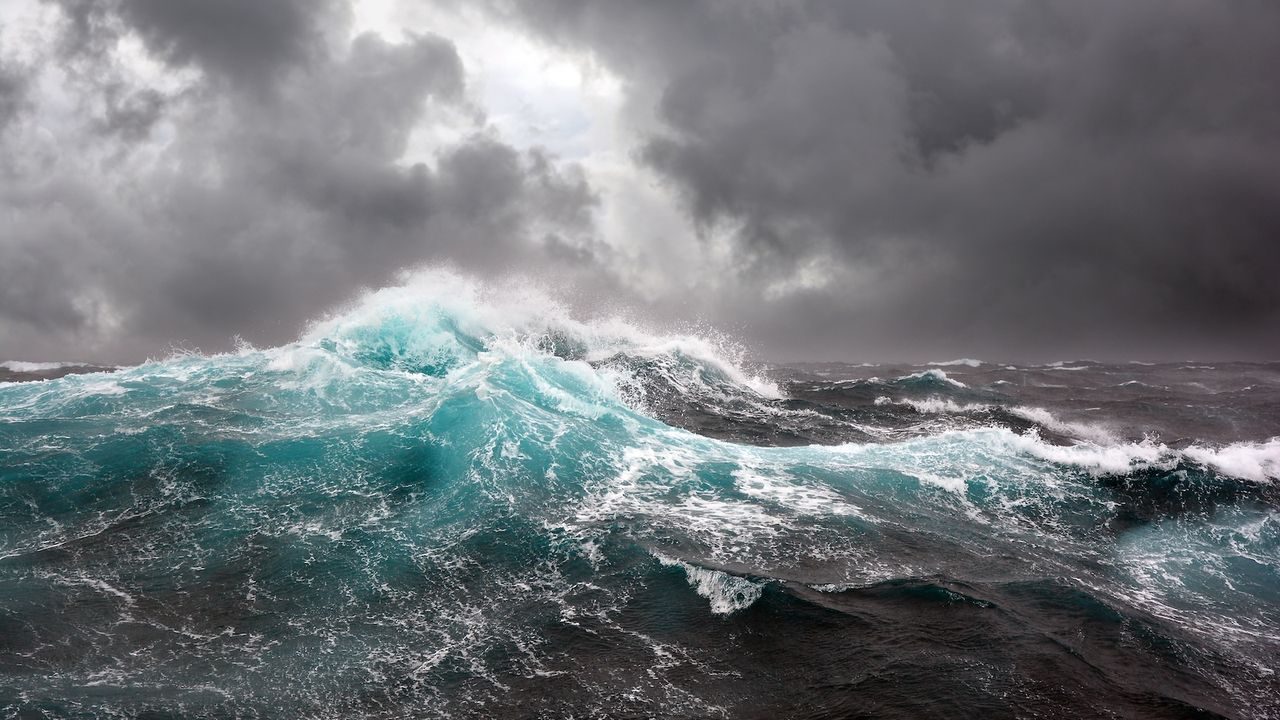
A critical system that helps regulate the climate across three continents could lose half its strength by the end of this century — and new research suggests it may be far closer to a tipping point than scientists previously believed.
The Atlantic Meridional Overturning Circulation, known as AMOC, functions like a giant conveyor belt moving warm water northward from the tropics and returning cold water southward. It is one of the most consequential forces in Earth’s climate system, influencing temperatures, rainfall patterns, and ocean ecosystems across Europe, Africa, and the Americas.
A new study has raised the alarm: AMOC is estimated to halve in strength by 2100, and the current may be significantly closer to collapse than earlier scientific assessments indicated. The implications, researchers warn, are serious enough that nations need to start preparing now.
What AMOC Actually Does — and Why Losing It Would Matter
AMOC is not a single current but a vast, interconnected system of ocean circulation. Warm surface water flows north through the Atlantic, releasing heat into the atmosphere and moderating temperatures across much of Europe. As the water cools and becomes denser, it sinks and flows back southward along the ocean floor.
This cycle does more than regulate temperatures. It sustains aquatic ecosystems, influences monsoon patterns in Africa, and affects the frequency and intensity of storms along the eastern coast of North America. In short, AMOC touches the lives of hundreds of millions of people — most of whom have never heard of it.
The concern is not just a gradual weakening. Scientists studying ocean circulation have long warned about potential tipping points — thresholds beyond which a system can shift rapidly and irreversibly into a new state. The new study suggests AMOC may be approaching one of those thresholds sooner than the scientific community had estimated.
What the New Research Found
Continuous monitoring of AMOC only began in 2004, which means the historical baseline for understanding its long-term behavior is relatively short. Despite that limited window, the data collected over the past two decades has given researchers enough information to model future trajectories — and the picture emerging is not a reassuring one.
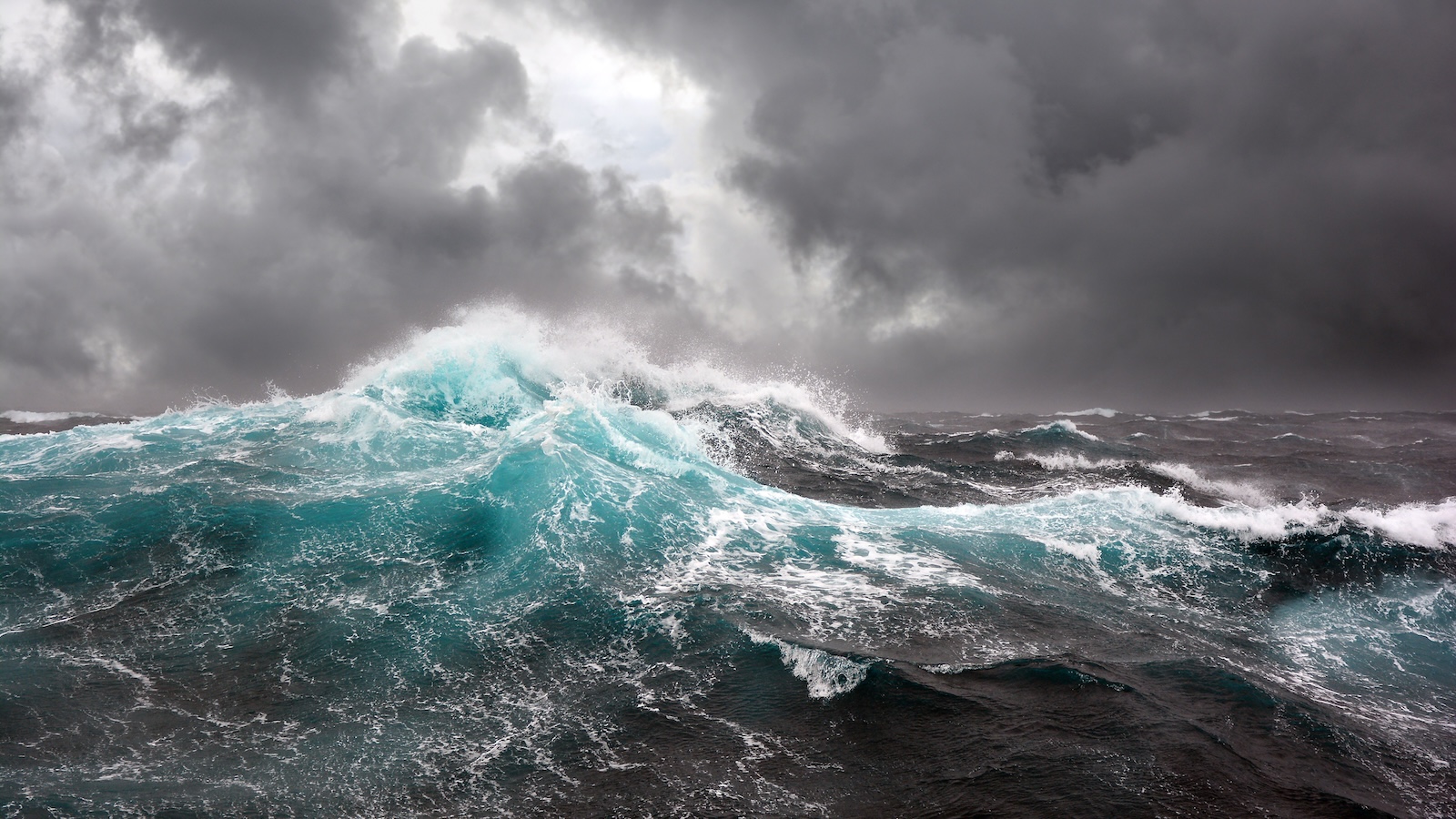
According to the study, AMOC is projected to halve in strength by 2100 under current conditions. More critically, the research suggests the system is closer to a potential collapse point than scientists had previously thought, prompting calls for governments to begin contingency planning immediately.
| Key AMOC Fact | Detail |
|---|---|
| Function | Circulates warm water north, cold water south across the Atlantic |
| Regions affected | Europe, Africa, and the Americas |
| Monitoring began | 2004 (continuous tracking) |
| Projected strength loss by 2100 | Approximately 50% (halved) |
| Key concern | Closer to collapse than previously estimated |
Who Gets Hit Hardest If AMOC Weakens
The effects of a significantly weakened AMOC would not be felt equally around the world. Europe, which benefits enormously from the warmth AMOC helps deliver, could face dramatically colder winters despite being at similar latitudes to parts of Canada that experience far harsher conditions. The contrast is stark: London sits at roughly the same latitude as Calgary, yet enjoys a much milder climate — largely because of oceanic heat transport.
Beyond temperature, a weakened circulation system could disrupt rainfall across Africa, threatening agricultural output and water security for millions. Coastal regions along North America could face rising sea levels as the current slows. And the aquatic ecosystems that depend on the nutrient mixing AMOC drives could face serious disruption.
- Europe: Risk of significantly colder temperatures, altered weather patterns, and increased storm activity
- Africa: Potential disruption to monsoon systems and rainfall that agriculture depends on
- North America: Rising sea levels along the eastern seaboard and shifts in storm tracks
- Global oceans: Reduced nutrient circulation affecting marine ecosystems and fisheries
The reach of this system means there is no region in the Atlantic basin that escapes its influence. A collapse — even a partial one — would trigger cascading effects that climate models are still working to fully quantify.
The Part of This Story Most Reports Are Missing
One of the underreported dimensions of this research is just how recent our ability to monitor AMOC actually is. Continuous measurement only began in 2004. That means everything scientists know about AMOC’s long-term variability comes from indirect evidence — ocean sediment cores, temperature records, and climate proxies — rather than direct observation.
This is significant because it means the models predicting AMOC’s behavior are working with an incomplete picture. The fact that researchers are now concluding the system is closer to collapse than previously thought, even with limited data, suggests the situation may be more urgent than the scientific consensus has publicly communicated.
Researchers are increasingly clear that waiting for more data before acting is itself a risk. The call for nations to “prepare now” reflects a shift in tone from academic caution to genuine urgency.
What Happens Next — and What Governments Are Being Asked to Do
The study’s findings carry a direct policy message: governments cannot afford to treat AMOC collapse as a distant or theoretical scenario. Planning for its consequences needs to begin now, even as efforts to reduce greenhouse gas emissions — the primary driver of ocean warming and freshwater influx that weakens AMOC — continue in parallel.
Melting ice sheets, particularly from Greenland, are pouring freshwater into the North Atlantic. This freshwater is less dense than saltwater and disrupts the sinking process that drives AMOC’s circulation. As long as global temperatures continue rising, that freshwater input will increase — and the pressure on AMOC will grow.
The 2100 timeline for a 50% reduction in strength may sound distant, but the effects of a weakening AMOC are not something that will appear suddenly at the end of the century. They are likely already underway, building gradually in ways that will become increasingly difficult to reverse.
Frequently Asked Questions
What is AMOC?
AMOC stands for the Atlantic Meridional Overturning Circulation — a large-scale ocean current system that moves warm water north and cold water south through the Atlantic, regulating climates across Europe, Africa, and the Americas.
How much could AMOC weaken by 2100?
According to the new study, AMOC could halve in strength by the end of this century under current conditions.
When did scientists start monitoring AMOC continuously?
Continuous monitoring of AMOC only began in 2004, meaning the scientific record of its direct behavior spans just over two decades.
Which regions would be most affected by an AMOC collapse?
Europe, Africa, and the Americas would all face significant impacts, including colder European temperatures, disrupted African rainfall, and rising sea levels along North America’s eastern coast.
Is an AMOC collapse certain?
The study indicates AMOC is closer to a potential collapse than previously thought, but the exact timing and probability of a full collapse have not been confirmed with certainty by current data.
What are governments being asked to do?
Researchers are calling on nations to begin preparing for the consequences of a significantly weakened AMOC now, rather than waiting for further scientific confirmation before acting.


Leave a Reply