
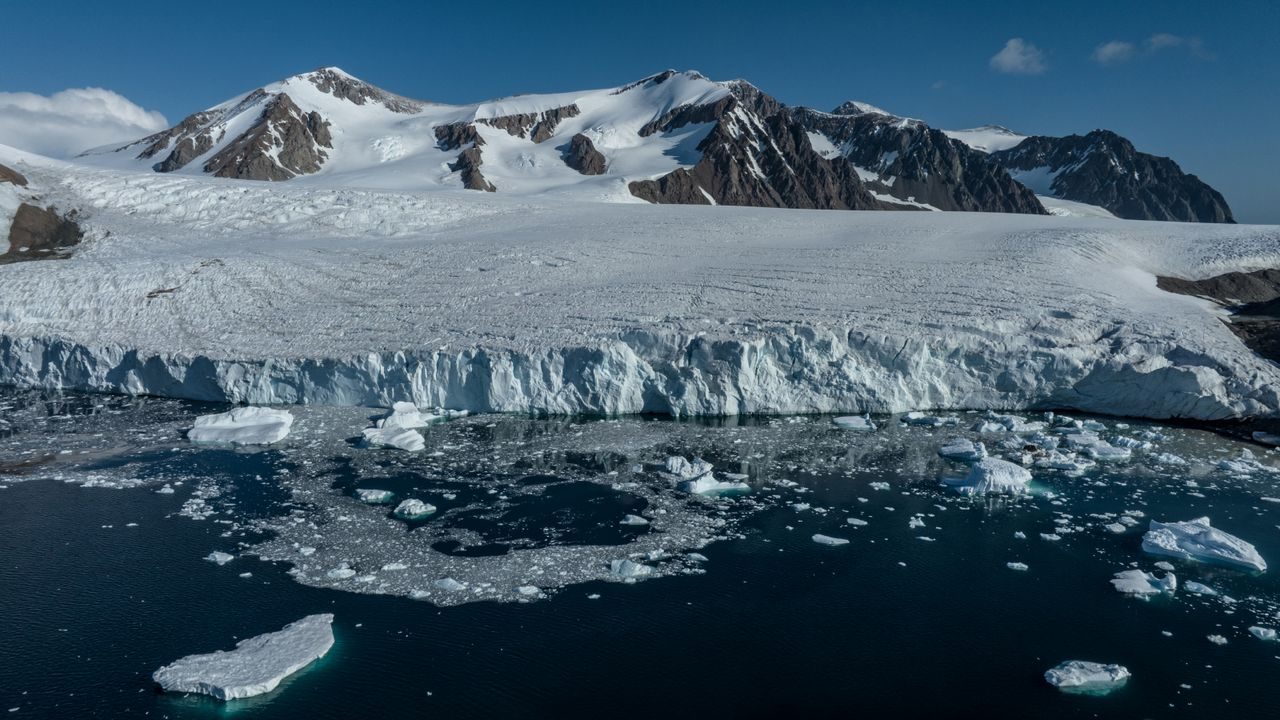
For decades, Antarctica’s sea ice behaved in a way that puzzled scientists and, frankly, gave some climate skeptics a talking point. While Arctic ice was retreating, the sea ice surrounding Antarctica was actually growing — slowly but consistently — from the 1970s all the way through the mid-2010s. Then, almost overnight in geological terms, everything changed.
In 2016, Antarctic sea ice underwent a sudden and dramatic collapse. It has not recovered since. What looked like a frozen paradox turned out to be a delay — and researchers are now working to understand exactly what broke the pattern so abruptly, and what it means for the rest of the planet.
The tools leading that investigation include some of the most advanced underwater technology ever deployed: deep-diving robotic vehicles sent into the frigid, largely inaccessible waters of the Southern Ocean to gather data that satellites simply cannot reach.
Antarctica’s Sea Ice Was Growing — Until It Wasn’t
The behavior of Antarctic sea ice has long been one of the more counterintuitive stories in climate science. Unlike the Arctic, where sea ice loss has been a steady and well-documented trend for decades, the Southern Ocean surrounding Antarctica saw its floating sea ice expand across much of the late 20th and early 21st centuries.
Scientists tracked this expansion carefully, and it complicated the broader narrative around global warming — not because it disproved anything, but because it demanded explanation. The Southern Ocean is vast, complex, and behaves differently from ocean systems in the Northern Hemisphere. Winds, ocean currents, freshwater from melting glaciers, and the unique geography of the continent all play roles in how ice forms and persists.
Then came 2016. Sea ice extent around Antarctica dropped sharply — a contraction so significant it registered as an outlier even against the backdrop of a warming world. And unlike previous years when ice levels fluctuated and then rebounded, the recovery simply never came. The ice has remained well below historical norms ever since.
Rising global temperatures, it appears, had finally caught up with the Southern Ocean — a system that had, for reasons still being studied, managed to resist or delay the full effects of climate change longer than most.
What the Robotic Submarines Are Finding
Satellites have given scientists a broad view of Antarctic sea ice extent for years. But the surface picture only tells part of the story. What happens beneath the ice — in the water column below — is where the real dynamics of freezing and melting are decided. That’s where the robots come in.
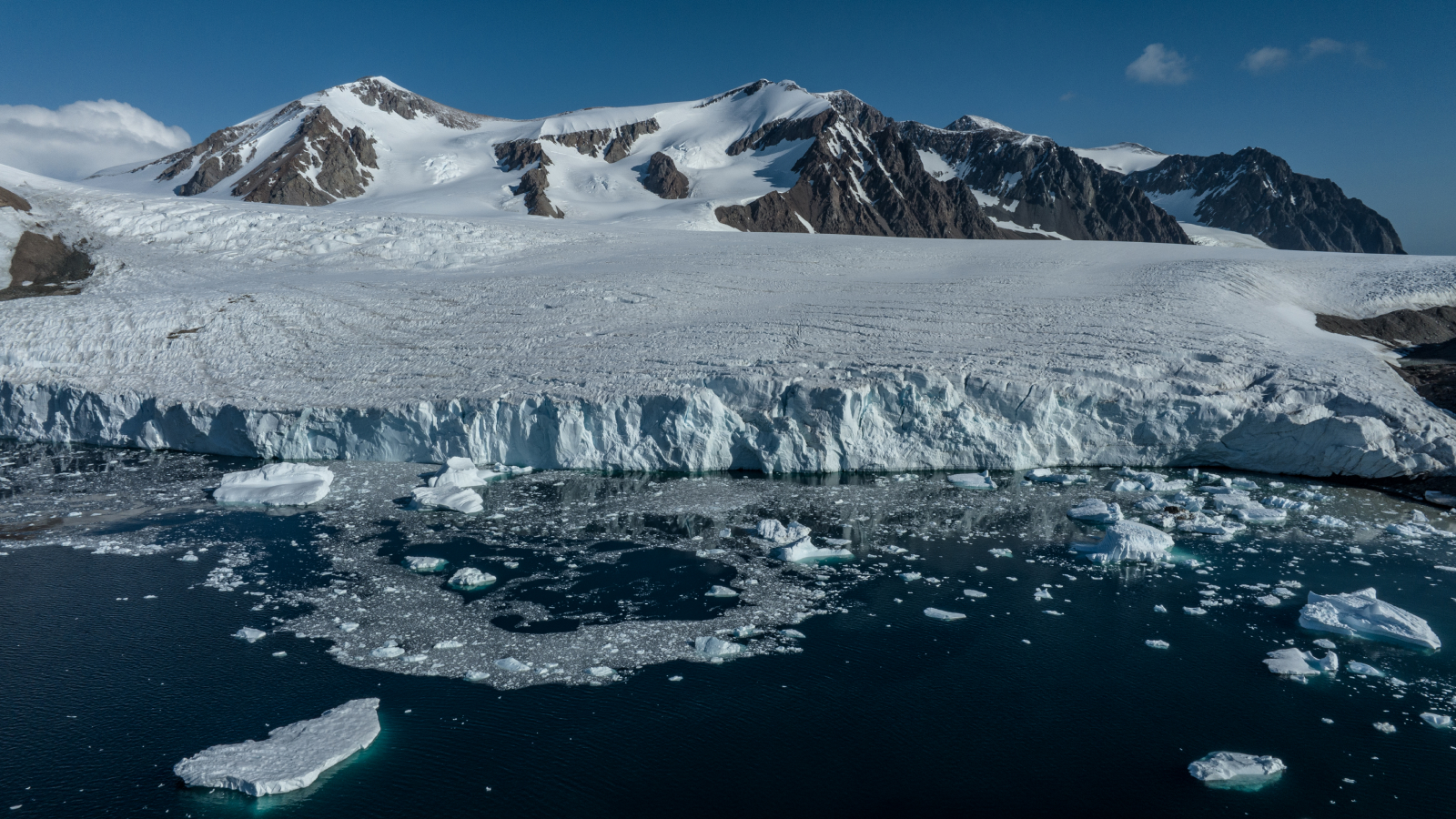
Deep-diving autonomous underwater vehicles are being deployed in the Southern Ocean to measure water temperatures, salinity, and ocean currents at depths that are otherwise extremely difficult and dangerous to reach, particularly under sea ice. These robotic platforms can travel where research vessels cannot safely go and collect data across seasons that would be impossible for human crews to endure.
The data they are returning is helping researchers build a clearer picture of how warmer ocean water is interacting with the underside of sea ice — and why the 2016 collapse happened when it did, rather than years earlier or later. The Southern Ocean’s behavior has long been treated as something of a black box in climate modeling. These tools are beginning to open it.
Why Antarctic Sea Ice Matters Far Beyond the Southern Ocean
It would be easy to think of Antarctic sea ice as a remote, abstract concern — something happening at the bottom of the world with little relevance to daily life elsewhere. That framing would be a mistake.
Sea ice plays a critical role in regulating the planet’s temperature. Its bright white surface reflects sunlight back into space — a property scientists call albedo. When that ice disappears, the darker ocean water beneath absorbs far more solar energy, accelerating warming in a feedback loop that affects weather systems, ocean circulation, and sea levels globally.
The Southern Ocean also acts as one of Earth’s most important carbon sinks, absorbing a significant portion of the CO₂ that human activity releases into the atmosphere. Changes to its ice cover and water temperature can affect how efficiently it performs that function — with consequences that ripple outward to every corner of the globe.
- Antarctic sea ice expanded steadily from the 1970s until approximately 2016
- A sudden, sharp contraction began in 2016 and has not reversed
- Rising global temperatures are understood to be a driving factor in the collapse
- Deep-diving robotic vehicles are being used to study ocean conditions beneath the ice
- The Southern Ocean functions as a major carbon sink and climate regulator
- Loss of sea ice reduces the albedo effect, accelerating broader planetary warming
A Timeline of a Frozen System in Crisis
| Period | What Was Happening with Antarctic Sea Ice |
|---|---|
| 1970s onward | Antarctic sea ice extent was gradually expanding, even as climate change progressed globally |
| Up to ~2016 | Expansion continued, puzzling researchers and complicating simple climate narratives |
| 2016 | Sea ice underwent a sudden and dramatic contraction — a historic departure from the long-term trend |
| Post-2016 | Ice has failed to recover to previous levels; global warming effects appear to have caught up with the Southern Ocean |
| Ongoing | Robotic underwater vehicles deployed to study subsurface ocean dynamics and understand the collapse |
What Researchers Are Still Working to Understand
The 2016 collapse raised as many questions as it answered. Why did Antarctic sea ice hold on for so long while the rest of the planet warmed? What specific combination of ocean and atmospheric conditions triggered the sudden shift? And is the current low-ice state a new permanent baseline, or could the system partially recover?
These are not academic questions. Climate models rely on accurate representations of Southern Ocean behavior to project future temperature changes, sea level rise, and extreme weather patterns. If those models were not fully capturing what was happening in Antarctic waters before 2016, they may still be missing important dynamics now.
The robotic research missions represent a significant effort to close that knowledge gap. By gathering direct measurements from beneath the ice — data that has historically been sparse — scientists hope to refine their understanding of how this critical system works and how quickly it may continue to change.
What is already clear is that the long-assumed stability of Antarctic sea ice was not permanent. The Southern Ocean held out longer than the Arctic. But it did not hold out forever.
Frequently Asked Questions
Why was Antarctic sea ice growing even as the planet warmed?
Scientists have been studying this question for years. Factors including Southern Ocean wind patterns, ocean circulation, and geography are believed to have helped delay the full effects of global warming on Antarctic sea ice — though the precise combination of causes is still being investigated.
When did Antarctic sea ice start dramatically shrinking?
The sudden and significant contraction began in 2016, marking a sharp departure from a decades-long trend of expansion that dated back to the 1970s.
Has Antarctic sea ice recovered since 2016?
According to the source reporting, it has not. Sea ice around Antarctica has remained well below historical norms since the 2016 collapse.
What are the deep-diving robots actually measuring?
The autonomous underwater vehicles are gathering data on subsurface ocean conditions — including water temperature, salinity, and currents — in areas beneath the sea ice that are too dangerous or inaccessible for crewed research vessels.
Why does Antarctic sea ice matter to people outside the region?
Antarctic sea ice helps regulate global temperatures by reflecting sunlight and supports the Southern Ocean’s role as a major carbon sink. Its loss contributes to warming feedback loops and can affect weather systems, ocean circulation, and sea levels worldwide.
Is the current state of Antarctic sea ice considered permanent?
This has not yet been confirmed. Researchers are still working to determine whether the post-2016 low-ice conditions represent a new long-term baseline or whether partial recovery is possible.

Leave a Reply